FAA Orders Replacement of Engine Alliance GP7200 Turbine Seals on Airbus A380 After Uncontained Failure Causes Aborted Takeoff
Why It MattersAn overhaul-linked seal defect surfacing on a four-engine widebody shows how a single maintenance-induced weakness can force fleet-wide interim action before any root cause is found.
What happened
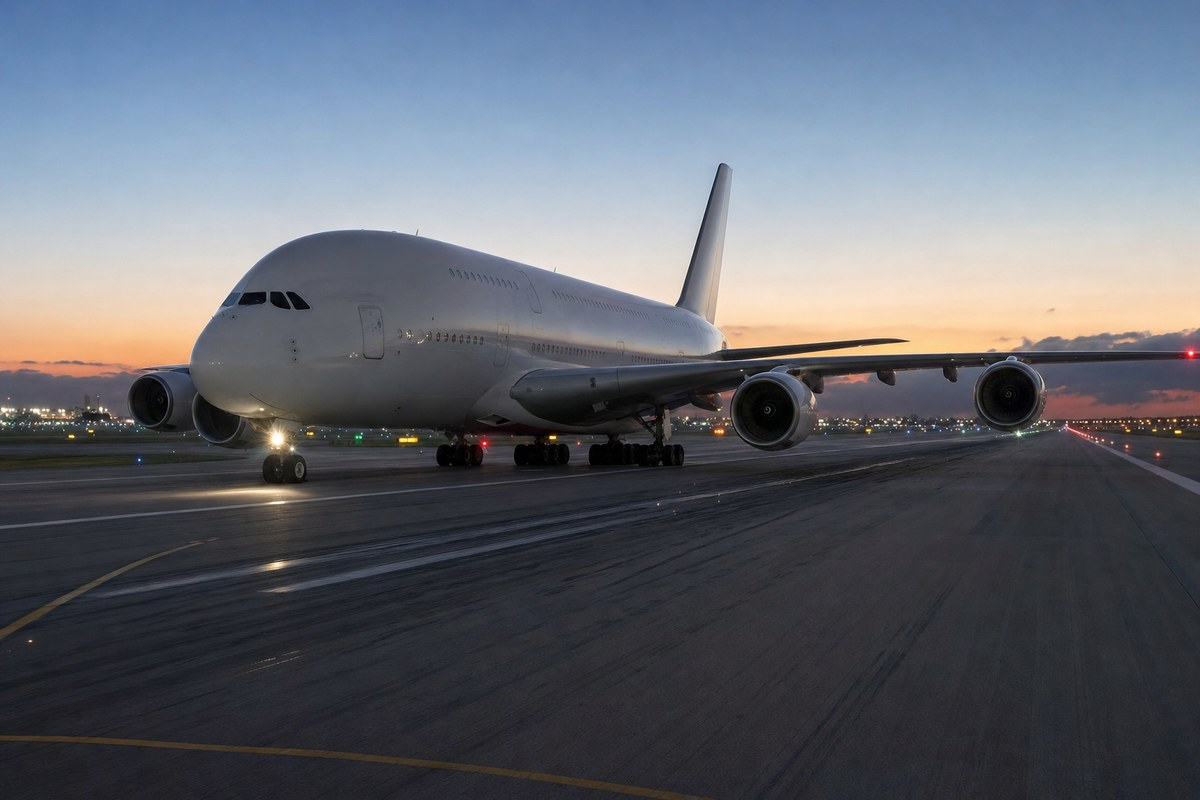
The Federal Aviation Administration issued an airworthiness directive dated October 8 and effective October 23, requiring replacement of high-pressure turbine interstage seals on certain Engine Alliance GP7200-series engines fitted to the Airbus A380. It follows an uncontained failure of an interstage seal on an A380 powered by GP7270 engines, after which the crew shut down the engines and aborted a takeoff. The FAA has not disclosed the airline, aircraft registration or date of the incident.
A manufacturer's investigation found that cracking could have occurred at the locating features between the interstage seal and the shaft from the first-stage turbine disk. The relative rotation of the seal, known as 'clocking', was identified as a contributing factor, and seal movement has been possible in engines that were reassembled during overhaul. The root cause remains under investigation.
The directive mandates removal of the 15 seals with the highest total flight cycles, and the most urgent replacements must be completed within 50 flight cycles or 30 days. The FAA warned that another failure could cause an engine fire and damage to the aircraft. It applies to the GP7270 (70,000 lbf), GP7272 (72,000 lbf) and GP7277 (76,500 lbf to 80,290 lbf), all part of the GP7000 family built by the Engine Alliance, a joint venture between GE Aerospace and Pratt & Whitney.
Operators must replace the affected seals with eligible parts under the Engine Alliance service bulletin. The FAA adopted the rule without public consultation because of the imminent safety risk and short compliance deadline, and described it as an interim measure. The estimated cost is up to $528,150 per affected engine, or $527,300 including parts. No affected engines are installed on US-registered aircraft, as no US airline operates the A380.
Industry impact & what to watch
Skipping public comment and setting a 30-day outer limit is the FAA's tool for a risk it judges imminent. The directive is labelled interim, which means the agency is acting on the failure mode it can already describe while the cause is still being worked out.
The link the manufacturer draws between seal movement and engines reassembled during overhaul places part of the exposure in the maintenance chain. For a mature widebody type, the engine shop's reassembly practice becomes as relevant as the original design, and operators and MRO providers handling GP7200 overhauls will be the ones answering questions about it.
The next milestone is the root-cause finding. The FAA says further rulemaking is possible once it is identified, so the scope of this directive could be widened, narrowed or replaced depending on what the investigation concludes.