Houthi Missile Strike on Riyadh Airport Kills 12, Injures Over 300 as Middle East Air Travel Comes Under Attack
Why It MattersRepeated strikes on regional airports since February show commercial aviation infrastructure has become a recurring target in the conflict, exposing parked aircraft, ground crews and passengers to direct harm.
What happened
A missile strike attributed to Houthi forces hit King Khalid International Airport in Riyadh, killing at least 12 people and injuring more than 300 others. The attack is described as the deadliest single incident in a wave of assaults on commercial aviation infrastructure across the Middle East.
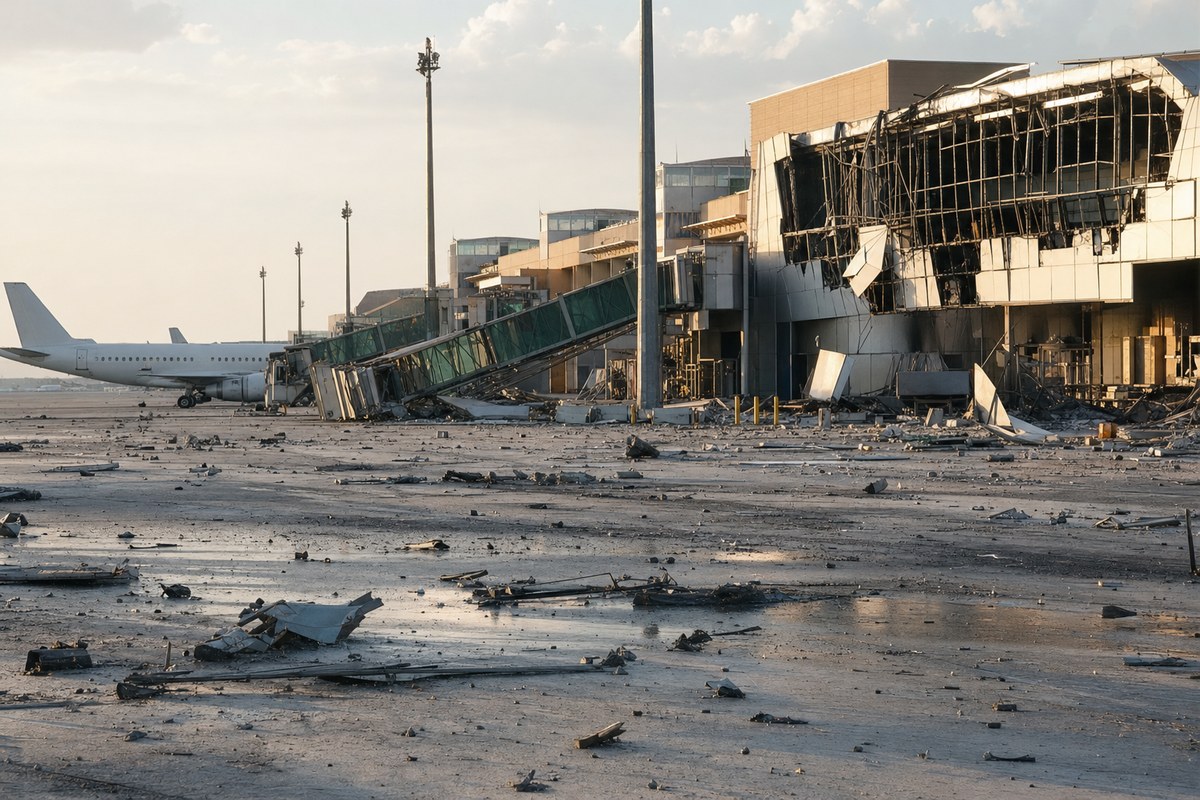
The strike is part of a pattern dating back to February, when the United States and Israel began military operations against Iran. Since then, major airports throughout the region have been repeatedly targeted by missile and drone attacks. Parked aircraft have been struck directly by missiles or damaged by falling debris from air-defense interceptor systems, with crew members and passengers among those killed and injured in these incidents.
Industry impact & what to watch
This strike extends a months-long campaign in which airports, rather than purely military sites, have become recurring targets, exposing a vulnerability unique to aviation: aircraft parked on the ground, along with their crews and passengers, cannot maneuver away from incoming missiles or falling interceptor debris the way they might avoid other hazards in flight.
For commercial aviation in conflict-adjacent regions, ground exposure at major hub airports is now a live operational risk alongside airspace closures and rerouting. Insurers, regulators and carriers operating into or over the region will be watching whether governments expand no-fly zones, whether airport operators add hardened parking or shelter capacity, and whether further strikes target other hub airports in the coming weeks.