Riyadh Airport Stays Closed After Deadly Attack as Trump Says US May Join Saudi Strikes on Houthis
Why It MattersRepeated strikes on a capital's main airport push airlines toward suspensions and regulators toward wider airspace warnings, so Gulf-bound schedules now hinge on security assessments more than on demand.
What happened
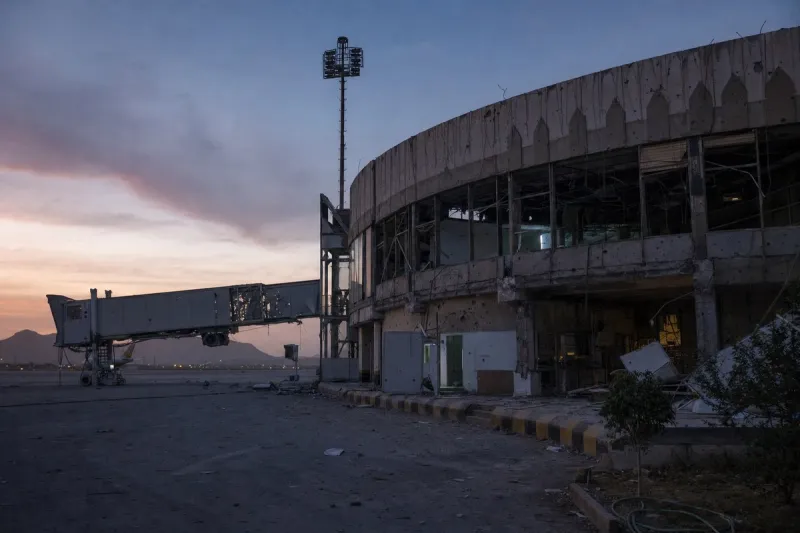
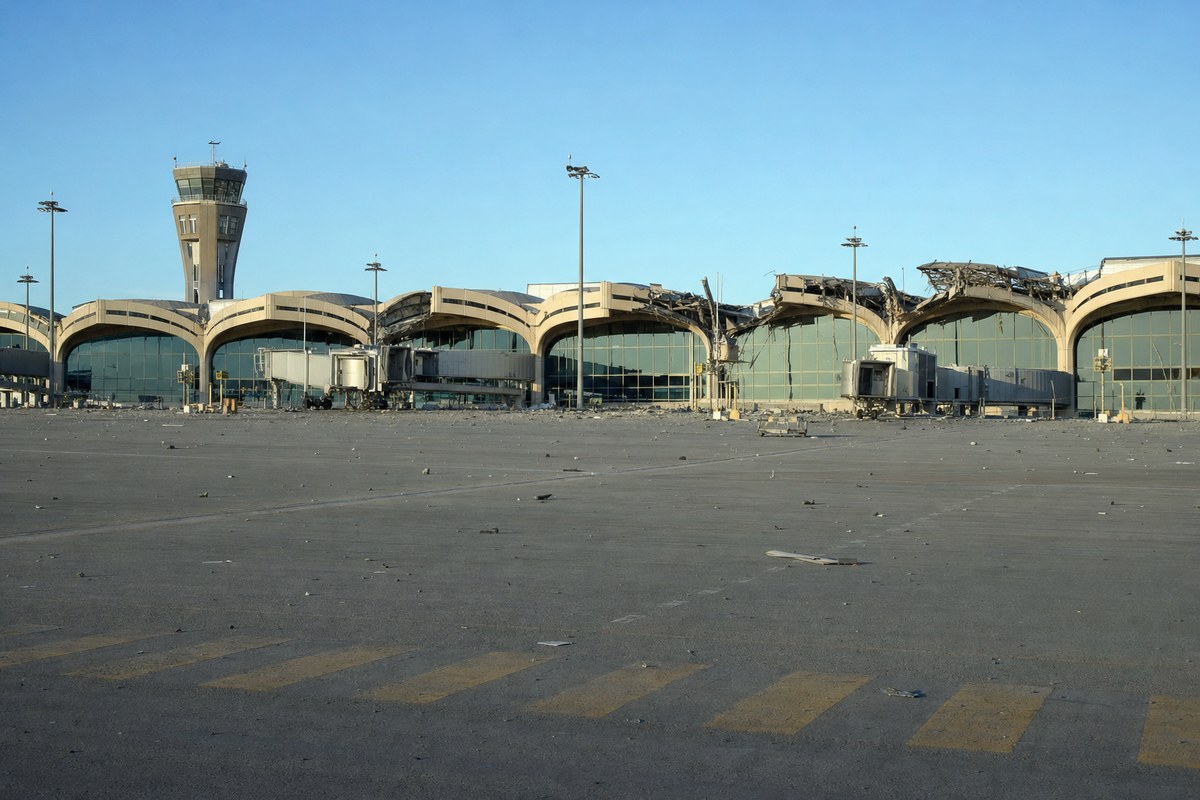
King Khalid International Airport in Riyadh remained closed on Sunday, a day after an attack killed 12 people. Saudi aviation authorities said 309 people were injured, some critically. Four Saudis and eight foreign nationals, including an American citizen, were killed.
The Saudi-led coalition blamed the Iran-backed Houthis for the attack and vowed a decisive response. US President Donald Trump, asked on Saturday whether Washington would join Saudi strikes against the Houthis, told reporters, "We may." He did not announce a decision, later said Saudi Arabia could defend itself against the Houthis, and described the airport attack as "terrible." On Sunday the Houthis renewed their warning to airlines, airport workers and travellers against using Saudi airports, saying the facilities remained vulnerable to attack. In a separate incident, the coalition said a projectile fell near King Fahd International Airport in Dammam on Saturday.
Flightradar24 said the Riyadh closure had been extended until midnight local time at the start of Monday, 12 October. A senior aviation source told AFP that operators were informed at dawn that flights would remain suspended, and a second source said radar and communications equipment had been damaged and the runways needed to be assessed.
Etihad Airways cancelled six flights between Abu Dhabi and Riyadh on Sunday and a further return service on Monday. Emirates also cancelled Riyadh flights on Sunday and Monday, The National reported. Lufthansa Group had already suspended flights to Riyadh through 16 October following attacks earlier in the week, and SriLankan Airlines suspended its Riyadh flights until 18 October, citing the security incident and ongoing safety assessments. The European Union Aviation Safety Agency widened its warning on Friday to cover more Saudi airspace, citing risks from missile and drone attacks.
European Commission President Ursula von der Leyen called the strike a "dangerous escalation" and expressed solidarity with Saudi Arabia. UN Secretary-General António Guterres condemned the attack, saying attacks on civilians and civilian infrastructure violate international law and must cease immediately. Qatar condemned the strike as a violation of Saudi sovereignty, and UN envoy for Yemen Hans Grundberg warned that the attacks threaten regional security and complicate efforts to secure peace in Yemen. Schools in the Saudi capital will switch to remote learning for the week under education ministry instructions, the second time in less than a month that Riyadh lessons were moved online.
Industry impact & what to watch
A closure of a capital's main airport, with radar and communications equipment damaged and runways awaiting assessment, shows how quickly an attack on ground infrastructure becomes an airline scheduling problem. Carriers do not wait for an official reopening: Etihad, Emirates, Lufthansa Group and SriLankan have each set their own suspension windows, running from one or two days to nearly a week.
The widening of the EASA warning to more Saudi airspace adds a second layer. Even where an airport is open, operators and insurers that follow European guidance face a harder case for routing through the affected airspace, and the Houthi warning aimed at airlines and travellers feeds the same calculation.
What settles the picture next is the runway and equipment assessment at Riyadh, any US decision on joining Saudi strikes, and whether the suspension dates already announced, 16 October for Lufthansa Group and 18 October for SriLankan, are extended or brought forward.