Airspace Closures and Travel Warnings Drive Severe Tourism Losses in Ukraine and Other Conflict-Affected Countries
Why It MattersThe pattern shows that airline route confidence, once lost to airspace closures and sanctions, returns only after prolonged diplomatic stability and safety reassurance, not simply after the immediate incident passes.
What happened
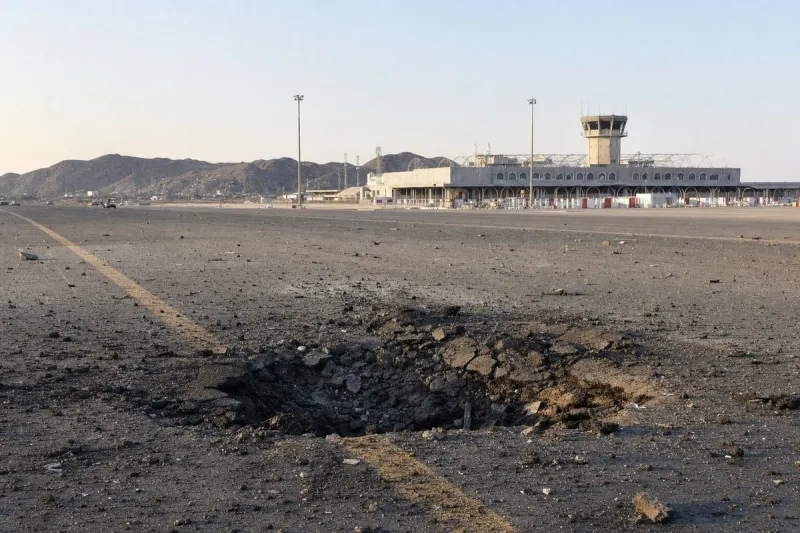
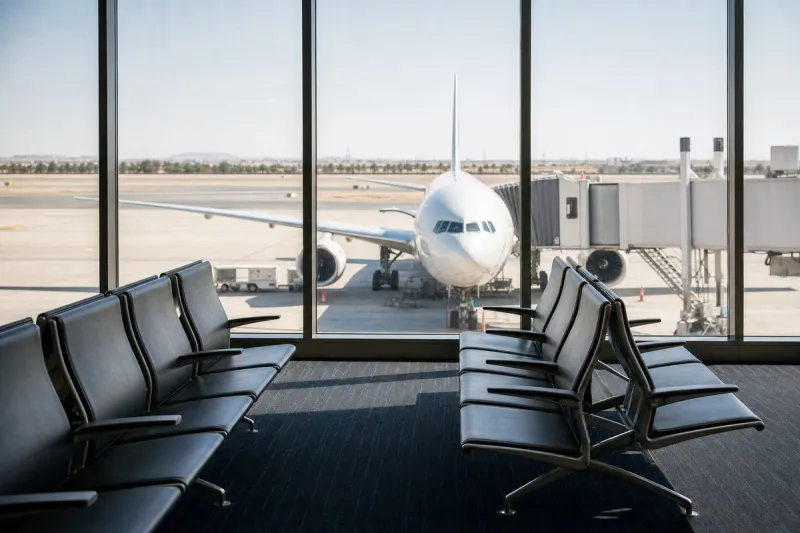
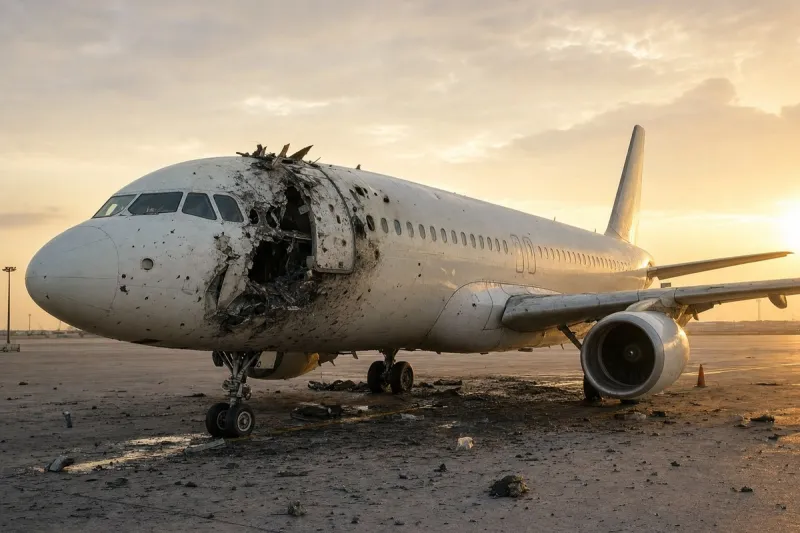
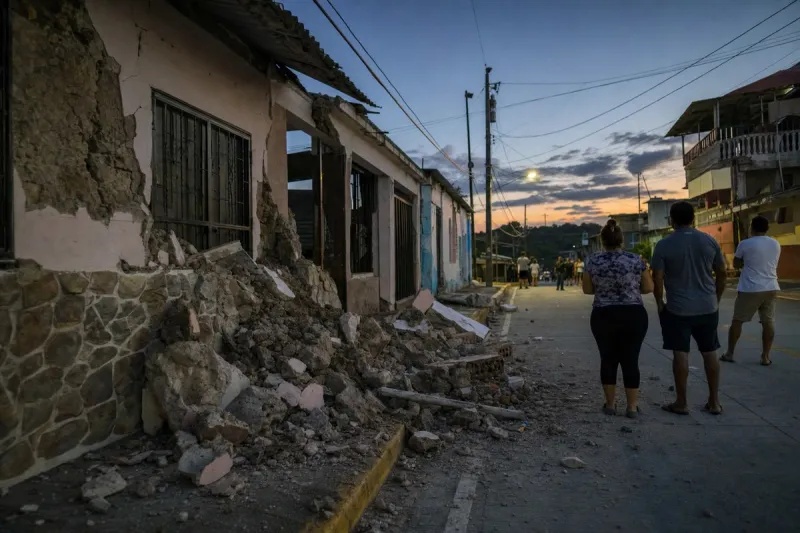
International aviation authorities and tourism boards say ongoing airspace closures and government travel advisories are causing severe financial losses for tourism and hospitality sectors in Ukraine and other conflict-affected countries. When foreign ministries issue high-level travel warnings, standard travel insurance policies are typically invalidated, and hotel occupancy rates drop from seasonal peaks to near-zero levels within days. Small businesses, tour operators, and cultural heritage sites dependent on foreign visitor spending face mounting debt and staff layoffs, while reputational damage to affected destinations persists after the immediate security incidents end.

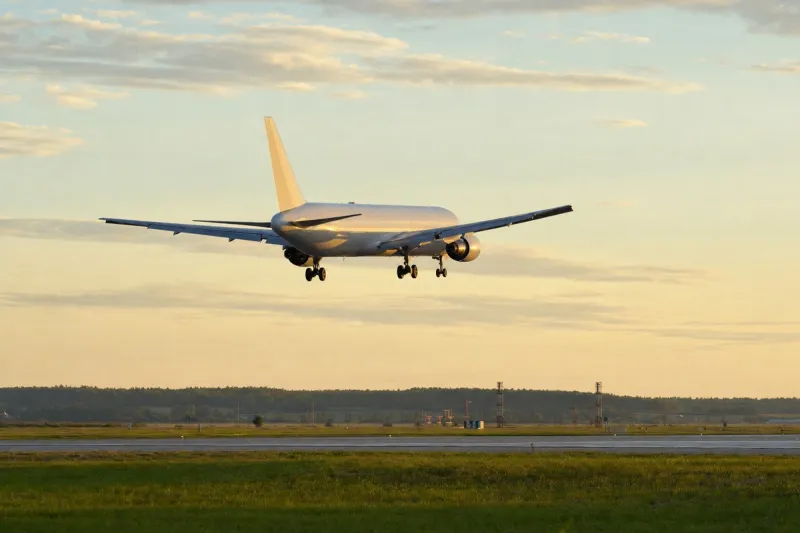
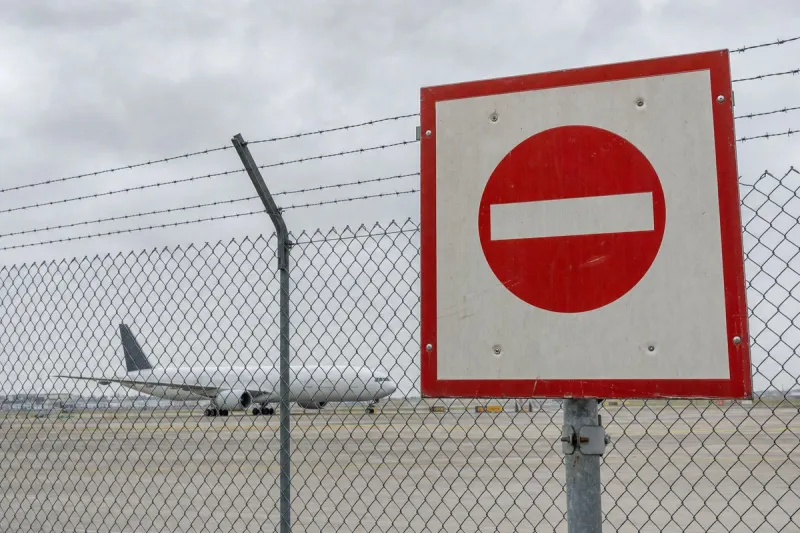
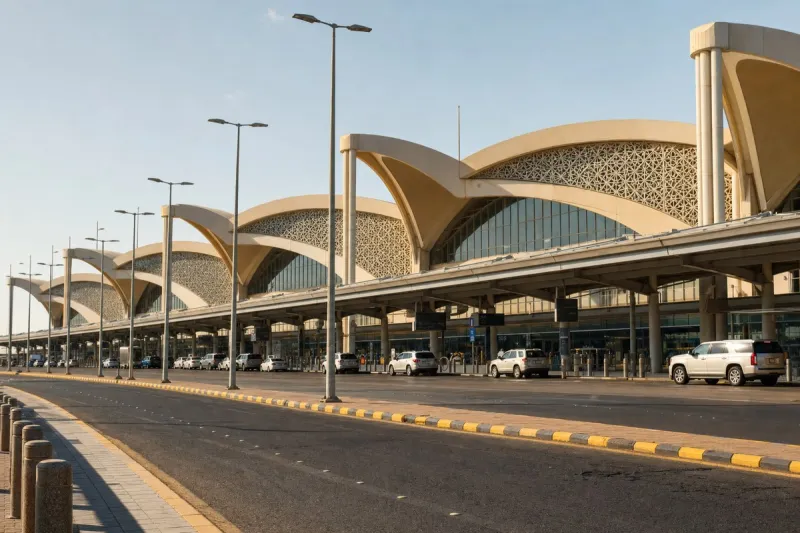
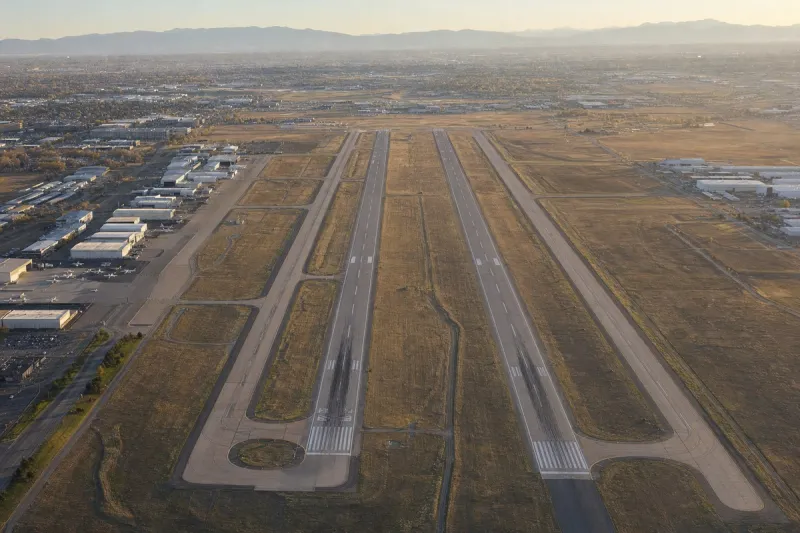
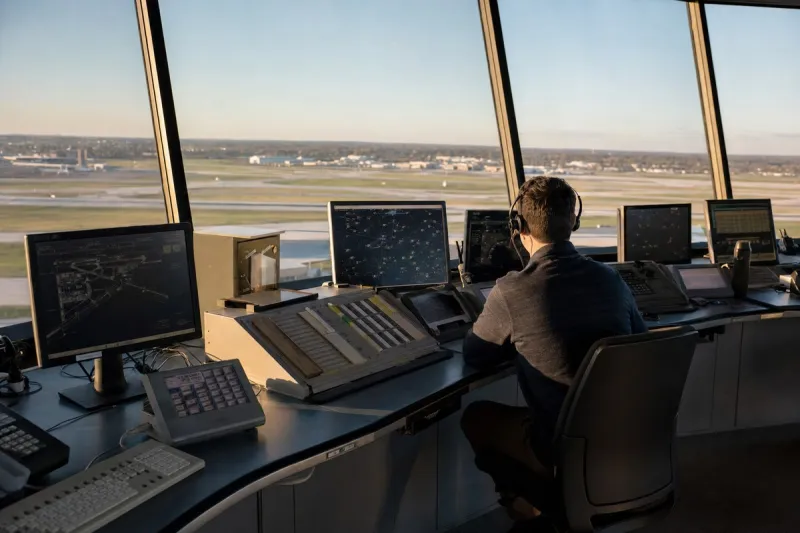
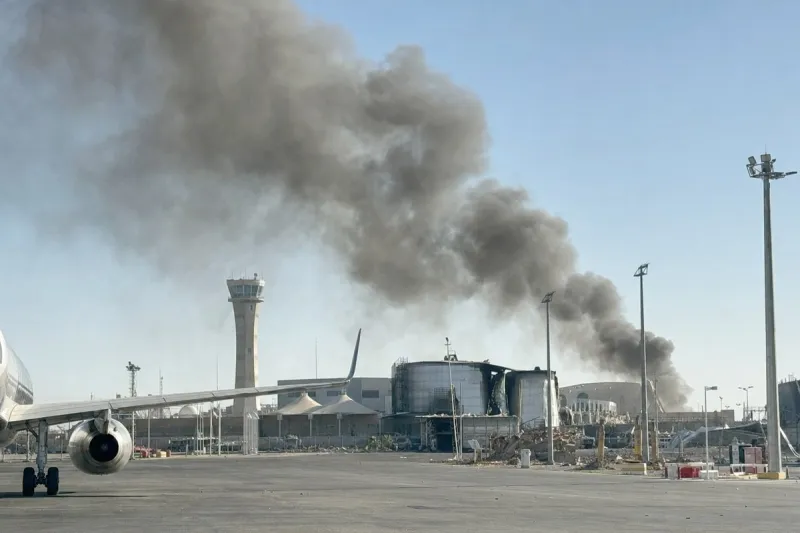
Airspace restrictions force airlines to reroute flights around closed regions, adding hundreds to thousands of miles to journeys, raising fuel costs, extending crew duty hours, and pushing up ticket prices. Israel has seen a contraction in international leisure arrivals tied to repeated closures at Ben Gurion International Airport, with major carriers repeatedly suspending routes amid security warnings. Russia faces a collapse of inbound Western leisure tourism following mutual airspace bans with the EU, the UK, and the United States, compounded by financial sanctions and the suspension of international credit card processing, which prompted major international hospitality chains to exit entirely. The Maldives was identified as a secondary market affected by the same dynamics. Anup Kumar Keshan, Founder and Editor-in-Chief of Travel And Tour World, said governments and hospitality leaders should foster cross-border partnerships and promote domestic alternative markets to offset the revenue shortfalls caused by the collapse of traditional international transit routes.
Industry impact & what to watch
This case belongs to a broader category where security-driven airspace closures translate directly into tourism and hospitality losses, because the two systems are linked through insurance validity and airline routing decisions rather than through direct government intervention in either sector. A single travel advisory can void coverage for arriving visitors and strand a destination's entire inbound pipeline within days, regardless of how localized the underlying security event actually is.
The mechanism connecting airspace policy to tourism revenue runs through transit corridors: long-haul travelers reach secondary and tertiary destinations via connecting hubs, so when a hub nation's airspace closes, the disruption cascades to markets like the Maldives that depend on those connections rather than on direct flights. Restoring that flow is not simply a matter of reopening airspace — carriers need sustained diplomatic stability and credible safety reassurance before redeploying aircraft back to affected routes, which is why recovery timelines in cases like Russia's have extended well beyond the original closures.
What remains to be seen is whether the diversification response Keshan describes — cross-border partnerships and domestic market promotion — can meaningfully offset losses in destinations most dependent on long-haul arrivals, or whether that substitution only works for markets with large domestic travel bases to begin with.