Rising Jet Fuel Prices Force Business Aviation Operators to Scrutinize Every Positioning Flight
Why It MattersWhen fuel costs swing this sharply, the margin on charter and fractional flying increasingly hinges on how positioning and ferry sectors are priced rather than on headline hourly rates.
What happened
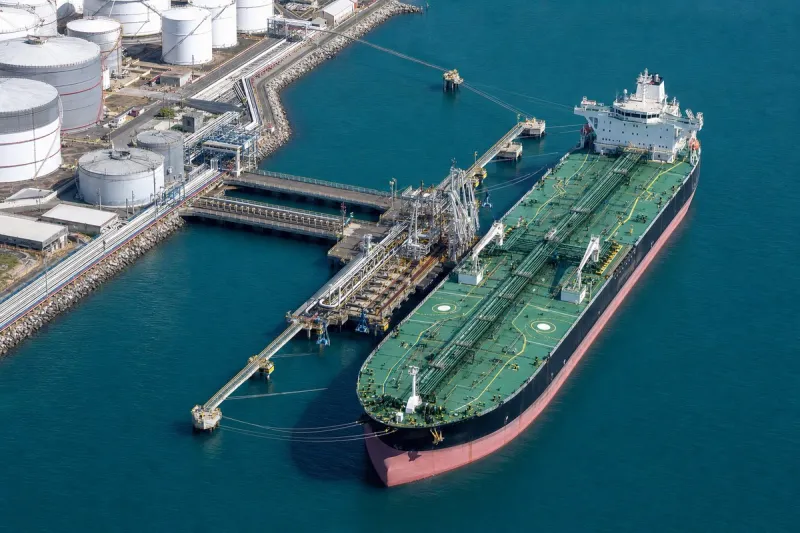
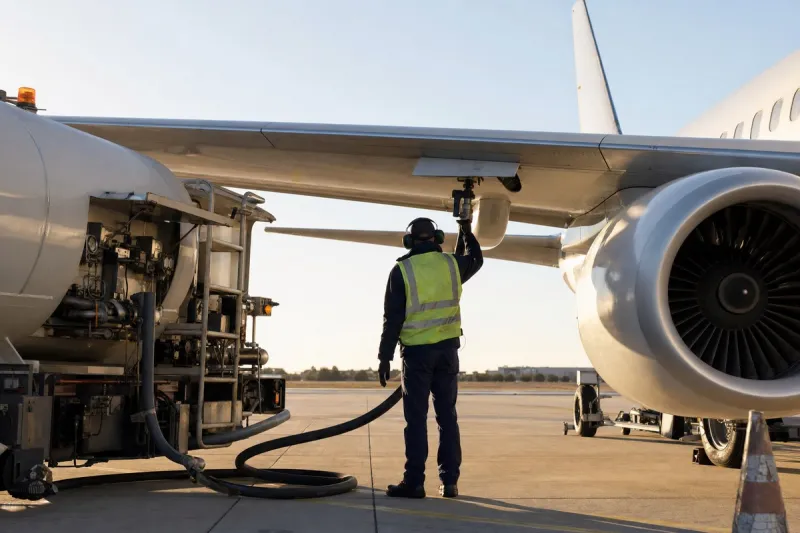
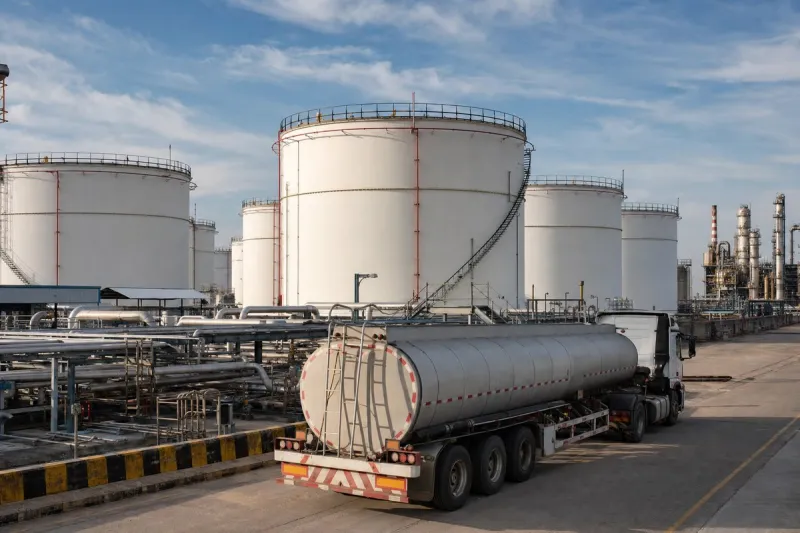
Business aviation operators are confronting sharply higher jet fuel costs tied to overlapping global supply disruptions, forcing closer scrutiny of charter rates, fuel surcharges, and the economics of every positioning flight. Middle East conflict has disrupted supplies through the Strait of Hormuz, interrupting roughly half of Europe's jet fuel imports and forcing buyers to source replacement supplies from the United States, Canada, Nigeria, and South Korea; analysts still forecast a European supply deficit for the fourth quarter of 2026. Ukrainian strikes on Russian refineries have separately reduced refined fuel output, and the International Energy Agency noted in September 2026 that damage to processing units can take months to repair, with Russia also restricting fuel exports.

In the United States, the Energy Information Administration recorded Gulf Coast jet fuel spot prices averaging $3.91 per gallon from March through May 2026, approximately twice their level at the start of the year. US refiners increased jet fuel production while stronger overseas demand drove exports to record levels in April and May 2026. IATA's September 2026 analysis showed the jet fuel crack spread — the margin between crude oil and finished jet fuel — hovering around $60 per barrel, almost twice the post-2022 average, with increased volatility. Elevate Jet founder and CEO Greg Raiff has noted the risk that winter heating oil demand could compete with aviation for constrained refinery output.
Jet fuel belongs to the middle distillate family alongside diesel and heating oil, meaning disruption in one market can affect the others. IATA has also highlighted that airspace restrictions linked to the Middle East conflict are lengthening routes and increasing fuel burn per mission, with knock-on effects for crew duty limits and aircraft availability.
Why positioning flights are under the microscope
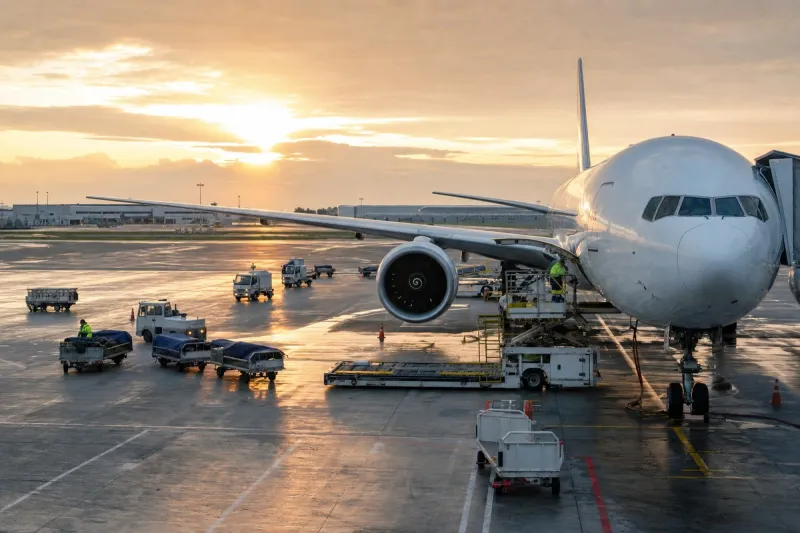
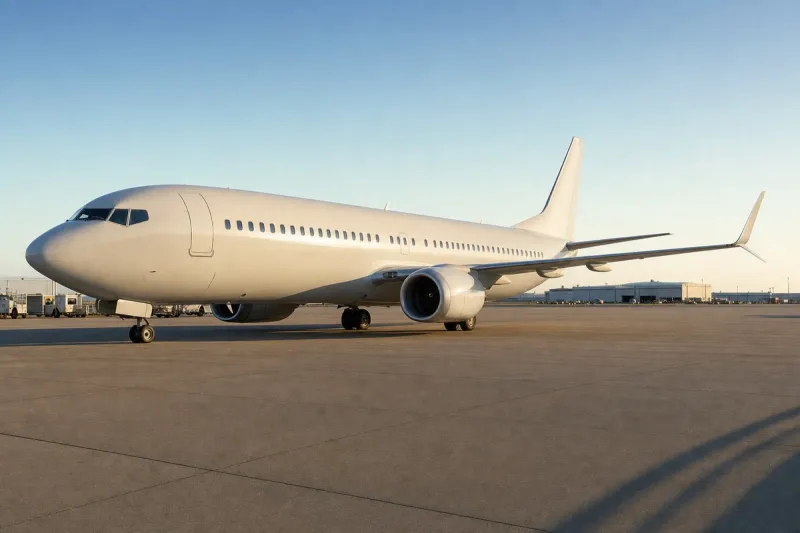
For charter operators, fractional programs, and corporate flight departments, higher fuel prices raise the cost of every positioning sector — the ferry flights needed to reach customers, return aircraft for maintenance, or prepare for the next mission. A request that looks commercially attractive on its face can deliver a weaker financial result once the surrounding empty sectors are factored in.
Operators are advised to evaluate incoming requests against their full fleet schedule, keep cost assumptions current, and reassess aircraft assignments as conditions change. FBO prices are also shaped by local supply arrangements, taxes, fees, and negotiated discounts, which makes checking local availability and pricing more important than assuming prior conditions still hold.
Industry impact & what to watch
This episode belongs to a familiar category for business aviation: a cost shock that originates in crude and refining markets but lands hardest on the margin-thin segments of flying, where empty-leg and repositioning sectors can quietly erase the profit on an otherwise attractive trip. Charter brokers and fractional programs typically price around the billable hours a customer sees, but the ferry and maintenance-return sectors are where a crack spread near $60 per barrel and a doubled Gulf Coast spot price actually bite, since those sectors carry fuel cost with no matching revenue.
The segment's exposure also runs through airspace routing. Longer routes forced by Middle East airspace restrictions raise fuel burn per mission and compress crew duty margins, which can turn a schedule that worked at old fuel prices into one that no longer fits within duty limits or aircraft availability.
The clearest signal to track is whether the forecast European supply deficit for the fourth quarter of 2026 materializes, and whether winter heating oil demand draws further on the same constrained refinery capacity Raiff flagged. Both would tighten the jet fuel market further and push operators to revisit fleet schedules and positioning assumptions again.