International SOS Middle East Chief Urges Dubai Businesses to Overhaul Travel Risk Planning Ahead of Q4
Why It MattersTravel risk management in the Gulf is shifting from static contingency documents toward integrated, rehearsed decision systems that track people and flights together across simultaneous, cross-hub disruptions.
What happened
Sebastien Bedu, General Manager for the Middle East at International SOS, told Aviation Business Middle East that conventional travel contingency plans used by Dubai businesses are failing because they assume a single disruption scenario instead of the multi-layered threats common to the region. He identified health incidents, severe weather events, security developments, and airspace restrictions as risks capable of striking simultaneously across multiple routes and hubs, which can make single-route contingency plans insufficient. He said recent disruptions in the Middle East have shown that trouble does not stay confined to one route or one hub.

Bedu said preparedness should function as an executable capability, not a document. He called for organisations to map every critical movement of people — crew, event teams, contractors, and business travellers — before a season begins, to define in advance who holds decision-making authority, and to set specific thresholds that trigger action. He said cross-functional teams covering operations, security, communications, customer service, and workforce management need to rehearse together instead of in isolation.
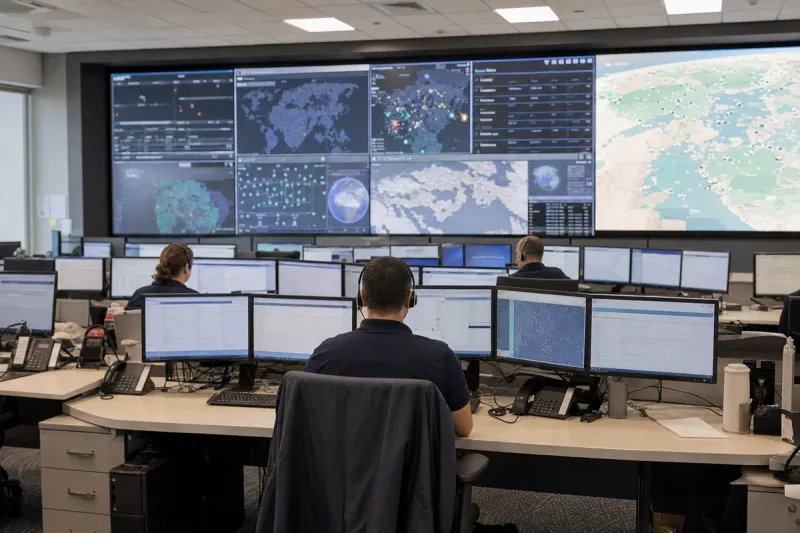
On data, Bedu said weather, security, health, airspace, and transport risk feeds are widely available but sit in separate dashboards instead of being combined into one operational picture showing people and flights together. "The critical question is not simply what has happened, but what decisions need to be made next," he said, citing options such as rerouting, pausing, or otherwise supporting travel differently. He said duty of care requires knowing the location of all people at any given moment, including event staff, ground crews, and contractors, not only passengers on a manifest. He said pre-travel briefings on local risk, medical access, emergency contacts, and backup plans remain basic requirements that many operators still skip, and that for people who cannot be evacuated, organisations must arrange shelter, medication access, and welfare monitoring in advance. He also said evacuation should not be treated as the default response, pointing to rerouting, relocation within the region, or remaining safely in place as alternatives depending on circumstances. With Q4 approaching, Bedu said the period will test these systems, adding: "Preparedness is not about predicting the next disruption. It is about being ready to make the next sound decision."
Industry impact & what to watch
This account describes a broader shift in how travel-risk advisers frame corporate duty of care in the Gulf: away from fixed contingency documents built for one route or one hazard, and toward standing decision structures meant to hold up when several disruptions hit different hubs at once. The underlying claim is that most organisations already have the risk data they need — weather, security, health, airspace and transport feeds — but lack a single operational picture that links that data to the actual locations of crew, contractors and travellers.
For travel risk and duty-of-care providers, the commercial logic rests on integration rather than data collection: the value sits in fusing existing feeds with live personnel tracking and pre-agreed decision thresholds, so that a disruption triggers a defined response instead of an improvised one. Bedu's framing also treats evacuation as one option among several, alongside rerouting, in-region relocation, or staying in place, which positions preparedness as a judgment capability tied to pre-set authority and thresholds, not a single evacuation playbook.
What happens over Q4 will show whether Dubai-based organisations actually adopt cross-functional rehearsals and unified operational dashboards ahead of the season Bedu flagged as the test, or whether the gap between available risk data and integrated decision-making that he describes persists into the next disruption.