US National Academies Urge Stronger FAA and Army Safety Oversight After Washington Midair Collision
Why It MattersCongested airspace shared by airliners and helicopters carries recurring collision risk that no single regulator owned, so separate oversight regimes, peak-hour scheduling and missing collision avoidance standards now sit under sustained scrutiny.
What happened
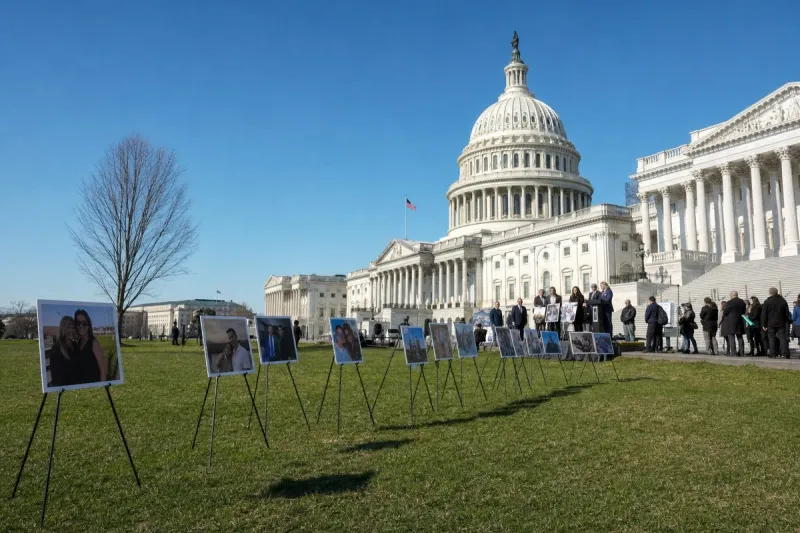
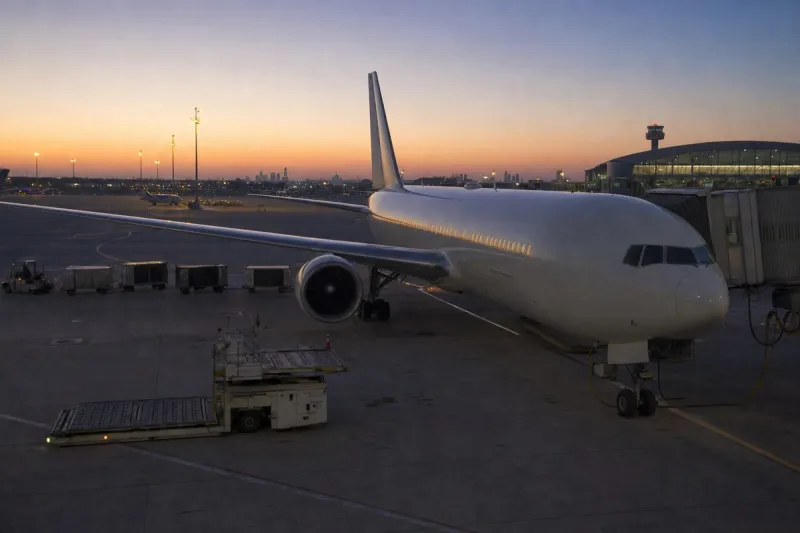
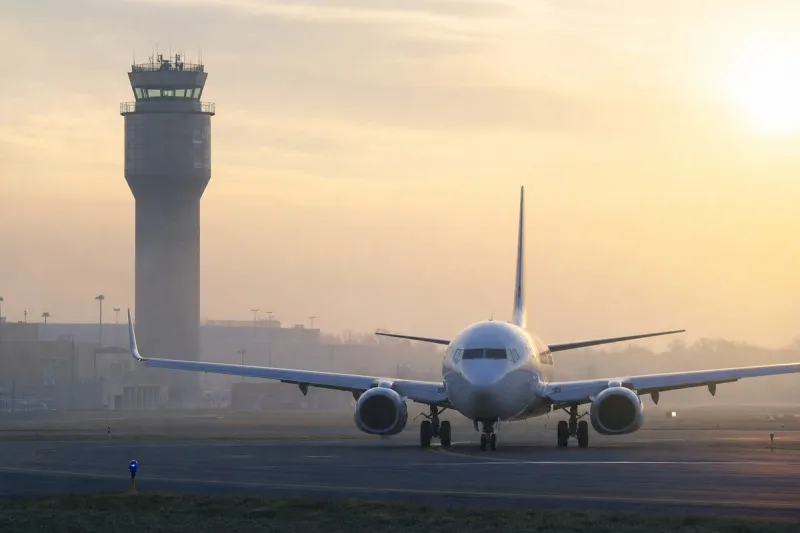
The US National Academies of Sciences, Engineering, and Medicine has called for stronger safety oversight by the Federal Aviation Administration (FAA) and the US Army after the collision of an American Airlines regional jet and a military helicopter near Washington. The review, commissioned by Congress, was released on November 18, 2026, and found that some of the safety system weaknesses identified after the accident persist.
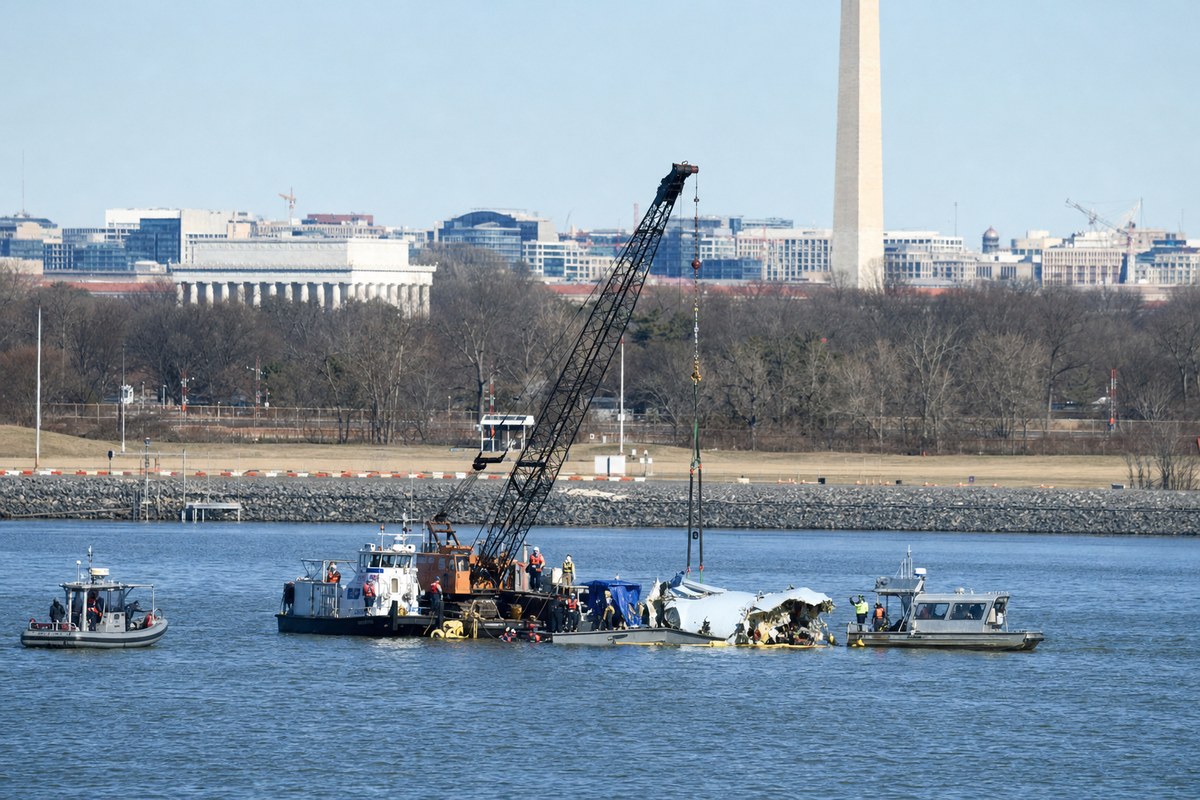
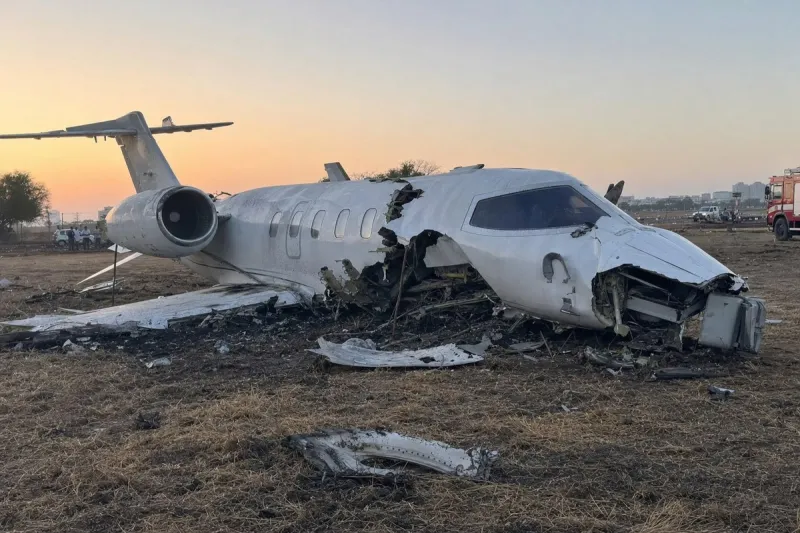
The collision occurred on January 29, 2025, and all 67 people aboard the two aircraft were killed. The report draws on an investigation by the US National Transportation Safety Board and contains 25 recommendations covering airport operations, military flights and the prevention of midair collisions.
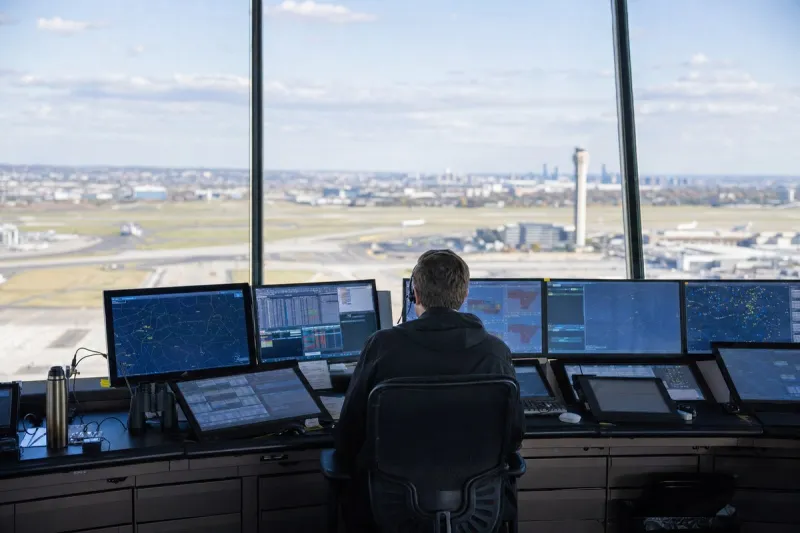
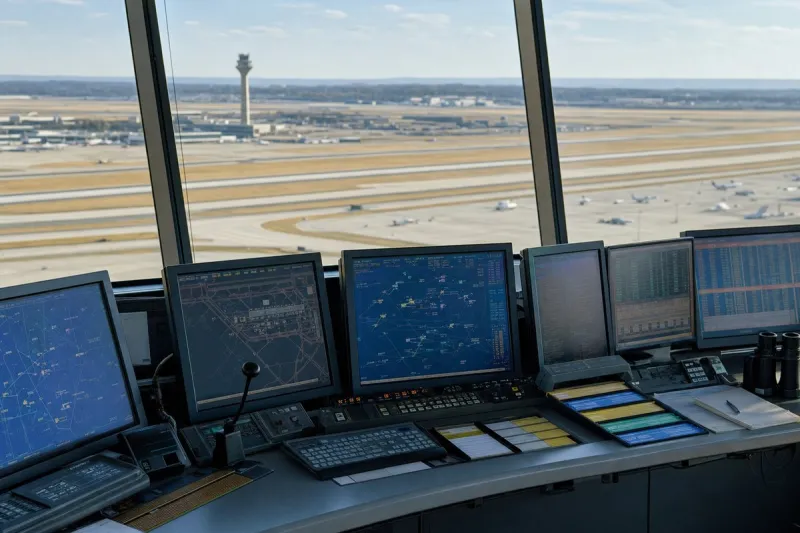
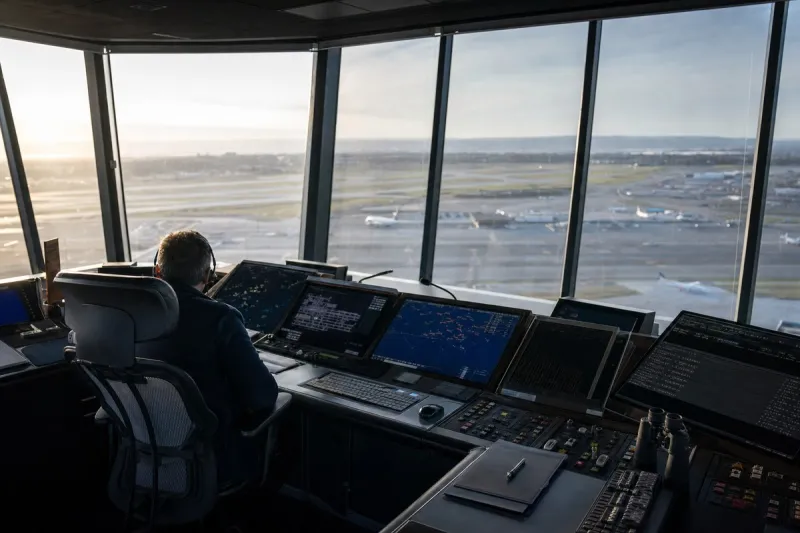
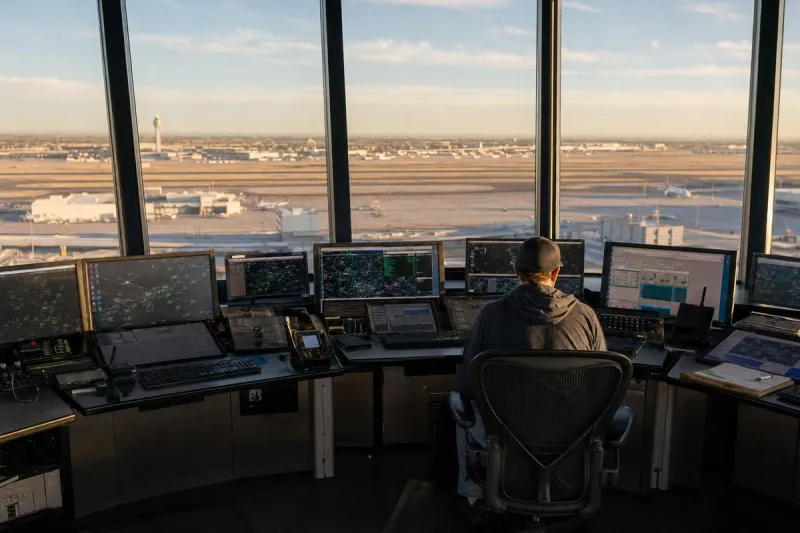
The committee concluded that the FAA and the Army had insufficiently identified and addressed recurring collision risks before the accident. It recommended spreading flights more evenly through each hour to avoid traffic peaks that add to air traffic controllers' workload, and a more detailed assessment of how airliners and helicopters use the congested airspace around Ronald Reagan Washington National Airport. Congress was advised to require a public assessment of the airport's safety and capacity before authorizing additional flights.
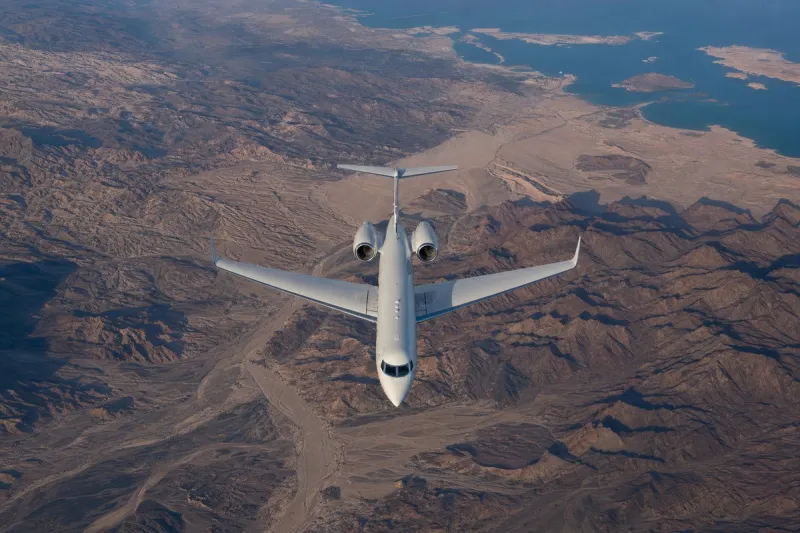
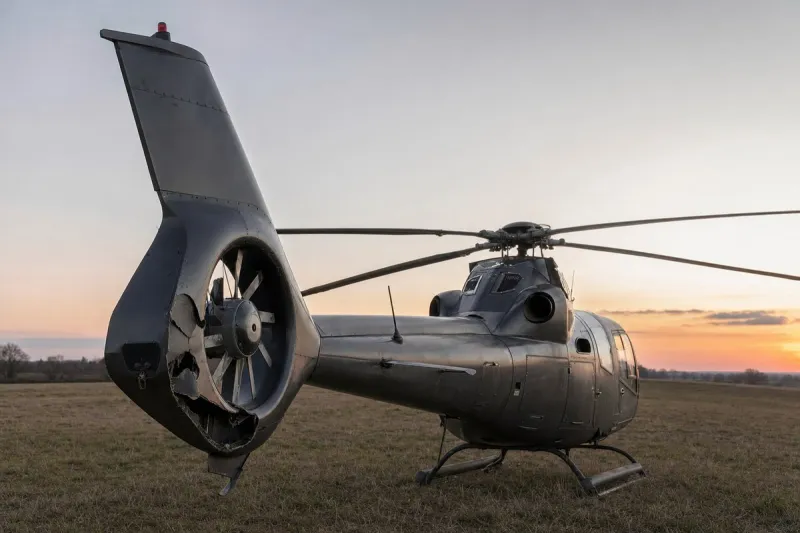
For military operations, the committee recommended standardized training for flights in Washington airspace and regular checks of crew skills. When assessing routine training flights, it said consideration should be given to whether the missions could be carried out at another time, on another route, in another location or through simulation. The report also called for faster development of standards and certification for helicopter collision avoidance systems and, once certified systems are available, requirements to install them, with priority for helicopters operating near airplanes in congested airspace.
What the FAA has changed since
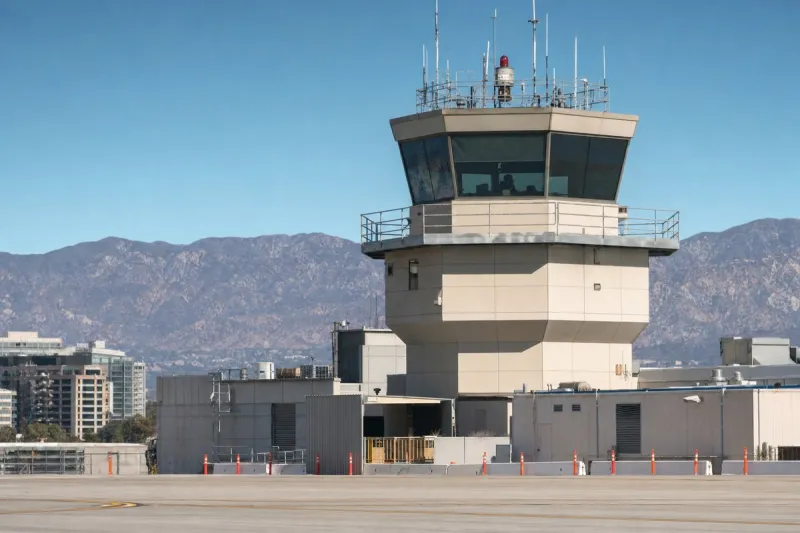
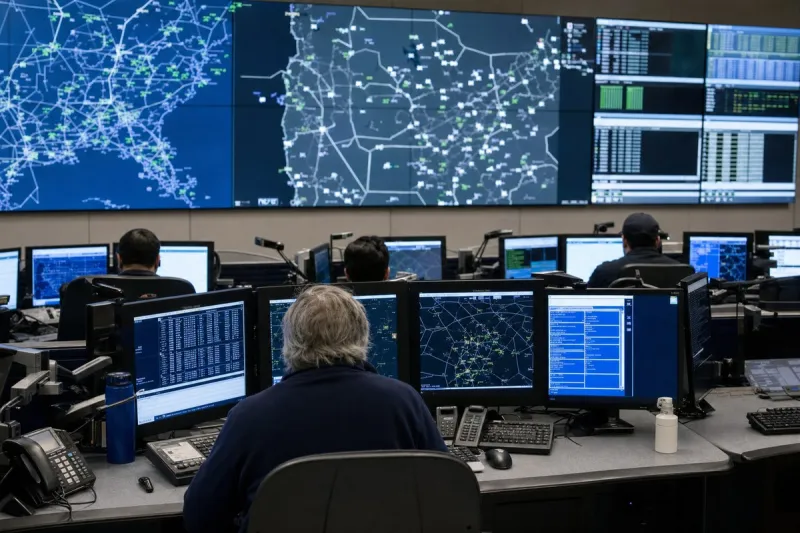
After the accident, the FAA restricted helicopter traffic near the airport and cut the hourly arrival limit from 36 to 26. In January 2026, it announced an increase of the limit to 30 flights per hour following a safety assessment and reinforcement of air traffic control tower staffing.
In May 2026, the agency stated that it had stopped using visual separation between helicopters and airplanes near congested airports, requiring controllers to use radar horizontal or vertical separation instead.
Industry impact & what to watch
The review treats the Washington collision as a failure of shared airspace, where a civil regulator and a military service each managed part of the risk and neither addressed the recurring hazard as a whole. For airports with mixed airliner, helicopter and military traffic, the committee's logic points toward joint risk assessment, peak-hour spreading and explicit justification for routine training flights in busy airspace.
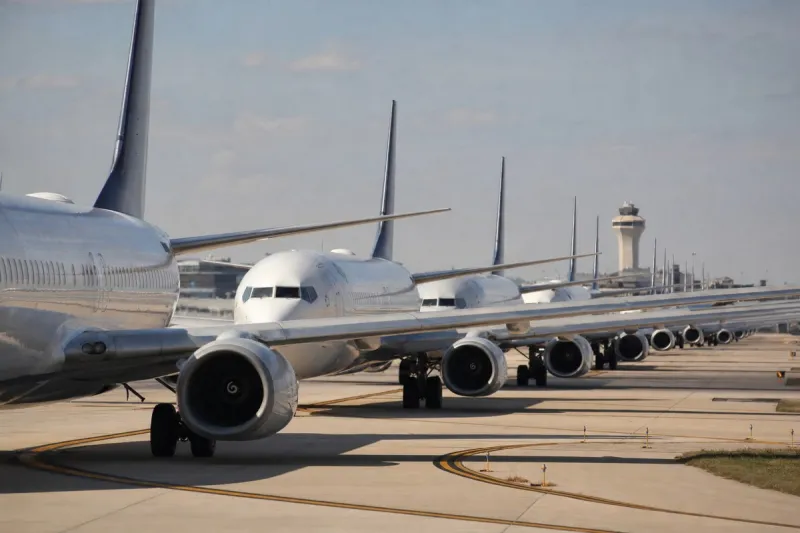
Capacity is the commercial pressure point. The committee tied any increase in flights at Reagan National to a public safety and capacity assessment, and the FAA's own limit has already moved from 36 down to 26 and back up to 30 per hour. Operators and airports planning schedules around that airport are working inside a limit that has changed twice in under two years.
The items still open are concrete: whether Congress adopts the requirement for a public assessment before more flights are authorized, and when standards and certification for helicopter collision avoidance systems are developed, since installation requirements depend on certified systems existing.