GAJSC Finds Automation Reliance a Precursor to General Aviation CFIT Accidents
Why It MattersCutting general aviation CFIT further depends less on adding terrain-awareness hardware than on pilot proficiency, since autopilots that hold heading and altitude cannot weigh terrain and so leave clearance with the pilot.
What happened
The General Aviation Joint Safety Committee (GAJSC) has found that reliance on automation is a precursor to controlled flight into terrain (CFIT) events in general aviation, even as advances in situational-awareness technology have sharply reduced the number of such accidents. Automation use contributed to accidents in both visual (VMC) and instrument (IMC) meteorological conditions, by day and by night.

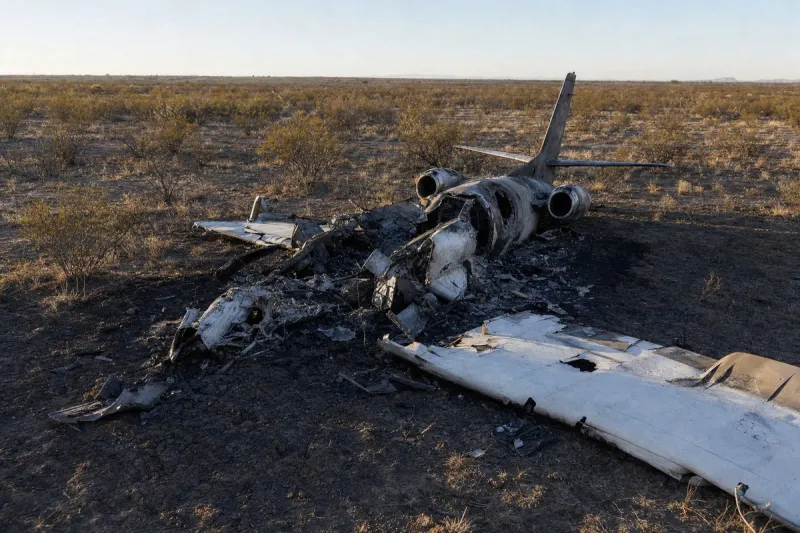
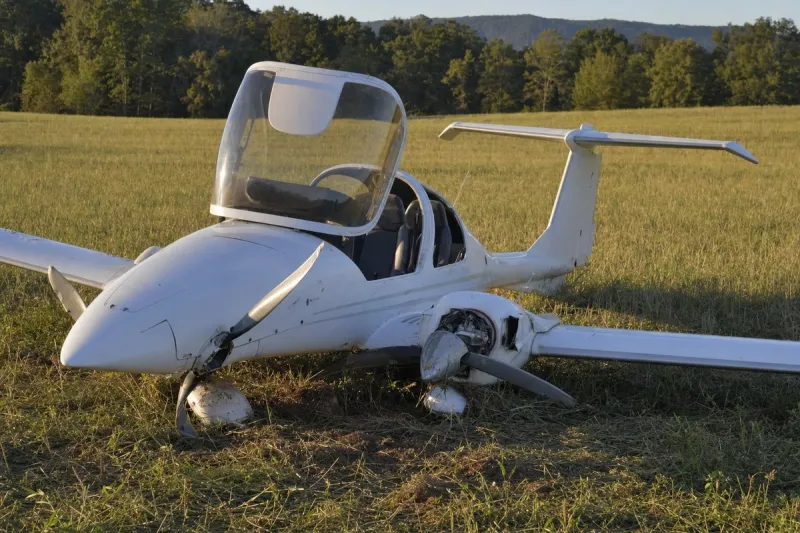
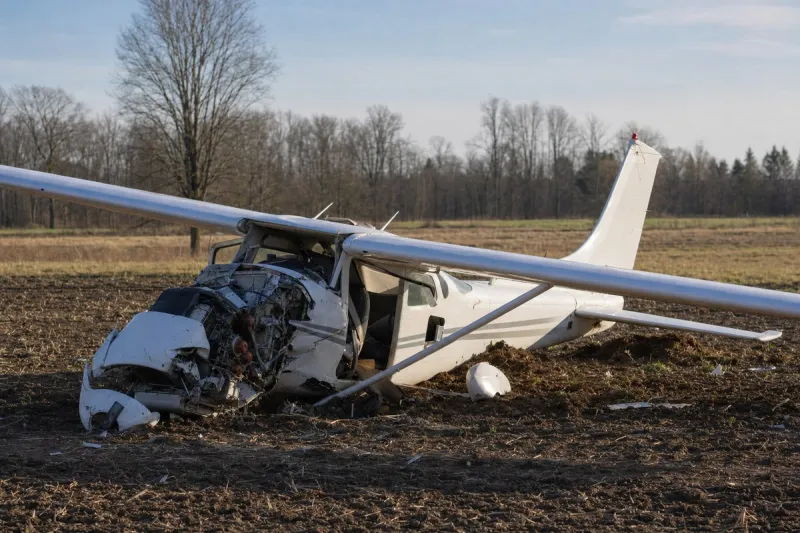
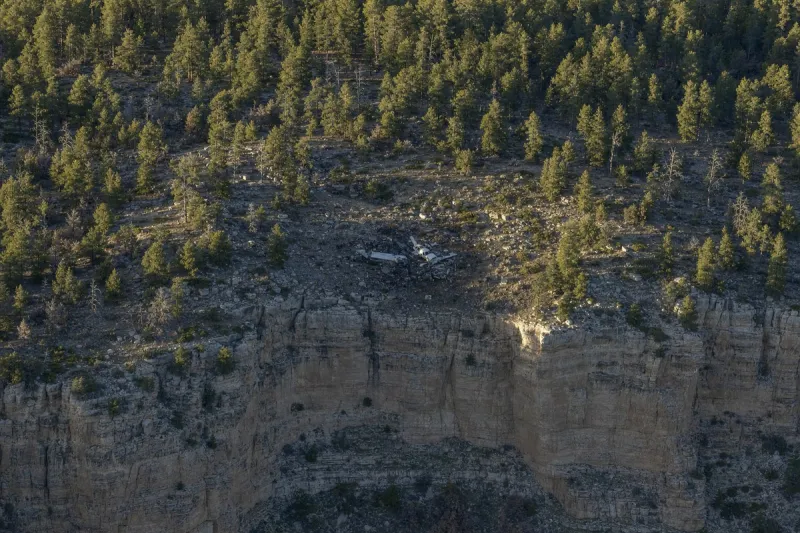
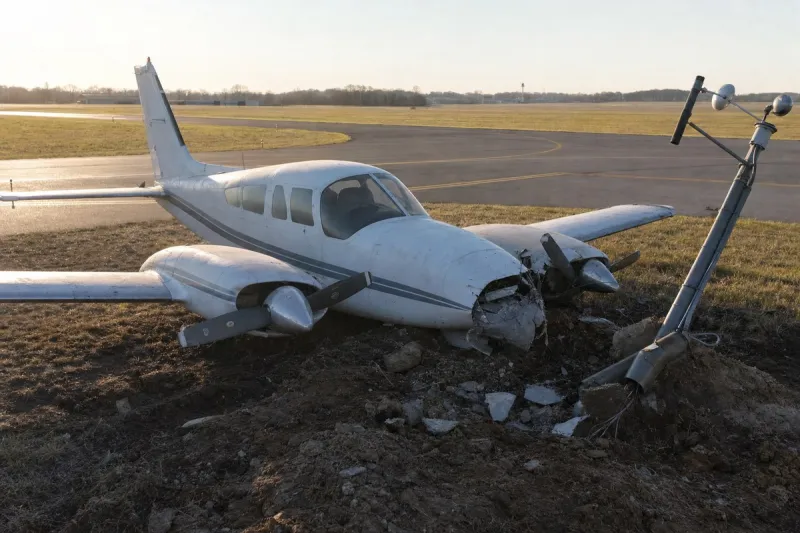
CFIT is defined as an unintentional collision with terrain, including the ground, a mountain, a body of water or an obstacle, while an aircraft is under positive control. It most commonly occurs in the approach or landing phase. In a typical year there are about 40 general aviation CFIT accidents, roughly half of them fatal. Accidents in which the aircraft is out of control at impact are classed as uncontrolled flight into terrain, and deliberate acts such as terrorism or pilot suicide are not counted as CFIT.
More than 75% of CFIT accidents in a typical year occur in daylight, and more than half of those happen in visual conditions. Most pilots involved are not instrument-rated, but more than 30% hold an instrument rating.
Continued VFR flight into IMC is the deadliest precursor. In a GAJSC study of 41 CFIT accidents, 11 (25%) were preceded by continued VFR into IMC, and all 11 were fatal; six of those pilots were instrument-rated and five were not.
Wire strikes and procedural errors
Wire strikes are another major factor. More than half do not involve agricultural flying, and they often occur below 200 feet above ground level. Flying about 500 feet higher keeps an aircraft above 90% of wires.
Other leading causes include IFR procedural errors, such as flying below the minimum en route altitude or descending below the minimum descent altitude (MDA), and unrealistic expectations of aircraft performance, such as high density altitude or tailwinds on approach.
How automation contributes
Overreliance on automation can lead to complacency and degraded hand-flying competence and confidence. Most general aviation autopilots hold a heading and many hold altitude, which has led to pilots at night failing to notice ice accretion until the autopilot disconnected when it could no longer maintain altitude. Lateral fuel imbalances can likewise be masked until the autopilot can no longer keep the wings level.
Many general aviation autopilots also cannot integrate aircraft position with terrain information, so pilots must maintain terrain and obstruction clearance whether hand flying or using the autopilot.
Recommended practices include understanding how the automation works and how it behaves when it fails, knowing what data it relies on and how it responds if that data is missing or flawed, and knowing how to disconnect it quickly and revert to hand flying. The committee also lists practicing hand flying regularly (simulators also work) and committing to regular proficiency training such as the FAA WINGS program.
Industry impact & what to watch
The finding points at a limit of the technology that has driven CFIT numbers down. Situational-awareness tools reduce accidents by giving the pilot better information, but the autopilot in many general aviation aircraft does not use that information: it holds a heading or an altitude and leaves terrain and obstruction clearance to the person in the seat. Each added layer of automation therefore shifts the pilot's role toward monitoring, and the committee's examples show monitoring failing quietly, with ice or fuel imbalance masked until the autopilot reached its limit.
For the training and equipment segments, the practical consequence is that proficiency and hardware have to be treated as a pair. A roughly 40-accident annual baseline with about half fatal is small in absolute terms but concentrated in a few repeatable precursors: continued VFR into IMC, low-altitude wire strikes, procedural descents below minimums, and optimistic performance assumptions. Those are decision and habit problems that avionics alone do not remove, which is why the committee's recommendations lean on hand-flying practice and recurrent training rather than new equipment.
The next concrete marker is whether recurrent-training programs such as the FAA WINGS program, which the committee names, absorb automation-failure and hand-flying scenarios into what pilots routinely practice.