Conditional Gulf Airspace, Not Outright Closure, Defines Charter Risk as EASA Bulletins Cover UAE, Bahrain, Kuwait, Qatar and Oman
Why It MattersCharter risk in the Gulf is now set by insurers, crews and airline withdrawals rather than by closure orders, so lawful airspace access no longer guarantees flights can be operated.
What happened
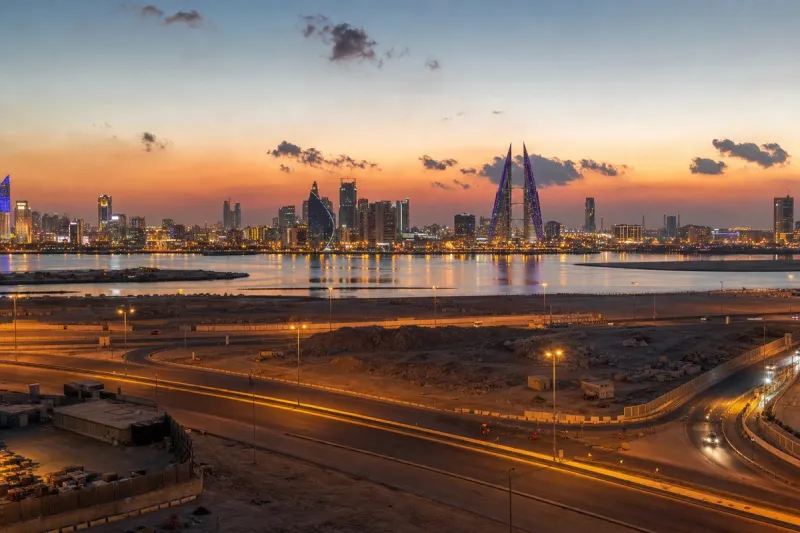
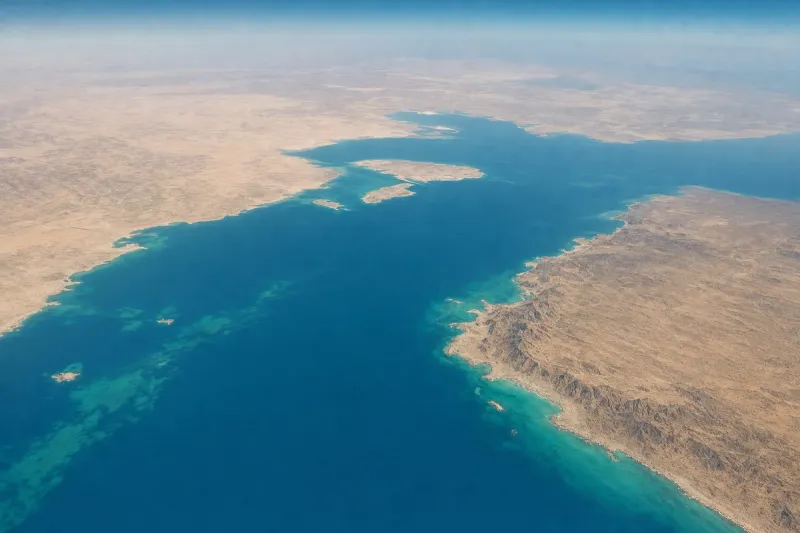
EASA conflict-zone bulletin CZIB-2026-07R3 remains active over the United Arab Emirates, Bahrain, Kuwait, Qatar and Oman, extended to November 16. Separate bulletins cover Iran, Saudi Arabia and the wider Persian Gulf and Gulf of Oman with the same validity unless reviewed earlier. These are advisories asking operators to weigh security risk, not closures. Jordan carries an any-altitude advisory and Iraq has applied time-boxed restrictions.
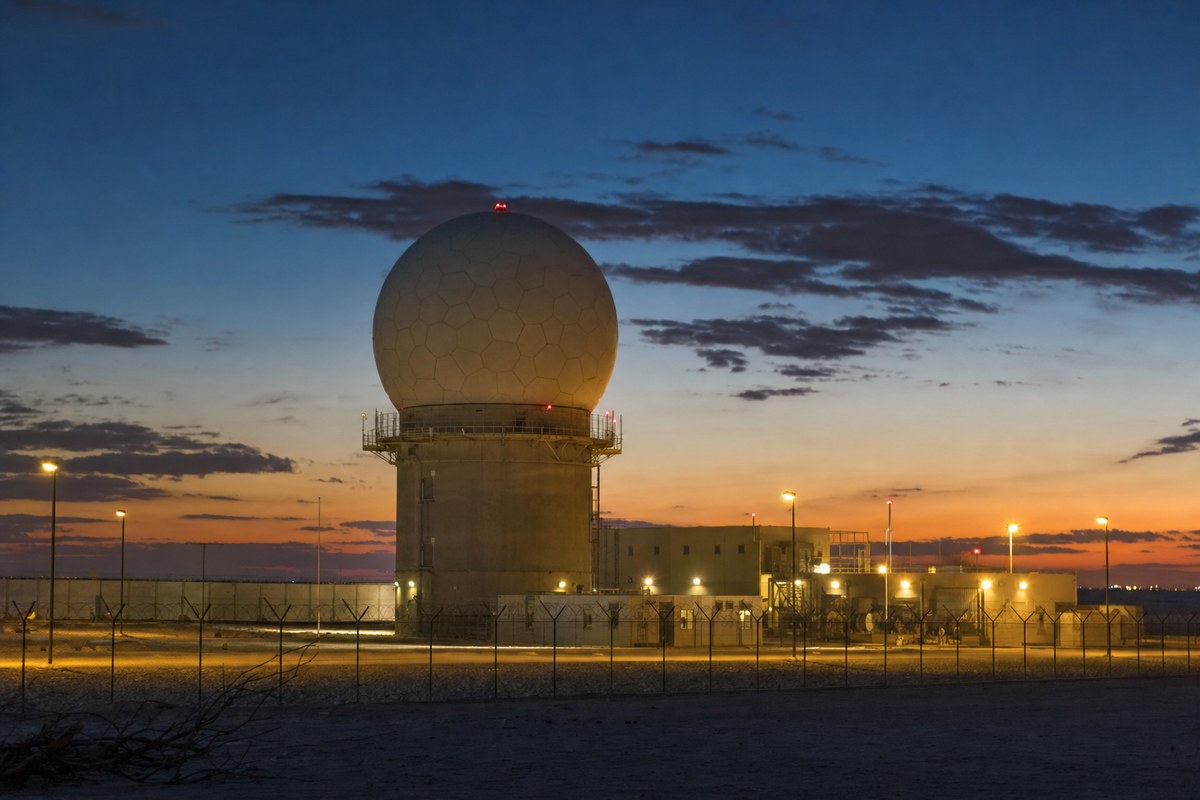
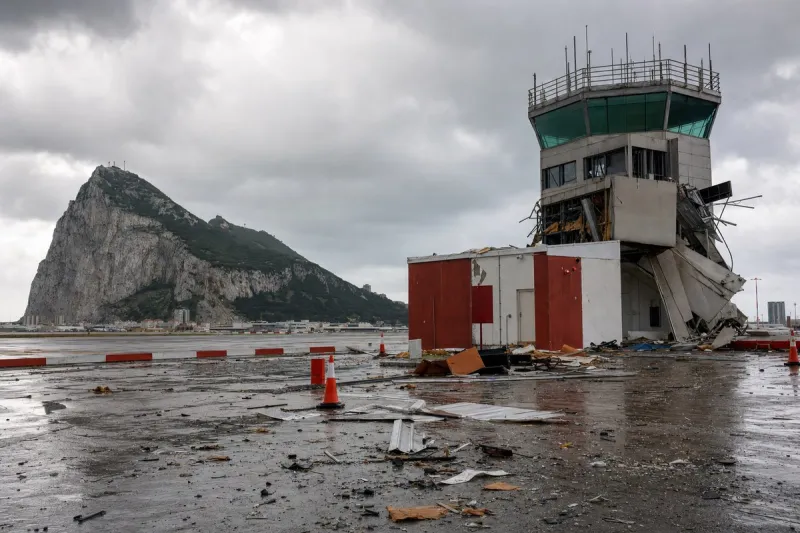
The security picture comes from the US-Iran war, Houthi strikes on Saudi territory and Iranian strikes on Bahrain. Iran struck Bahrain, including an overnight attack on a US radar installation described as retaliation for a strike on an Islamic Revolutionary Guard Corps command and control facility. The Houthi movement claimed strikes on November 12 against Saudi energy infrastructure, naming an unspecified Aramco facility in Riyadh, the Yanbu Oil Refinery and a pumping station on the East-West Pipeline. A previous attack on that pipeline in September forced an approximately 11-day closure for repairs.
Commercial withdrawal is running ahead of any formal ban. Etihad has cancelled all Abu Dhabi flights to Riyadh and Dammam until November 19, and flydubai suspended Riyadh and Abha through November 16. KLM has extended Riyadh and Dammam suspensions until December 27, and Emirates has cancelled several Dubai-Saudi services. Riyadh's King Khalid International Airport reopened on October 18 but is operating at limited capacity. EUROCONTROL data cited in the reporting indicate roughly 1,150 flights a day being rerouted, adding about 602 tonnes of fuel burn per day.
Shipping costs through the Strait of Hormuz have risen to around 30 dollars a barrel from roughly 5 dollars before the war, and West Texas Intermediate has traded near 86 dollars a barrel. IATA projects Middle Eastern airlines swinging from a 7.2 billion dollar net profit in 2025 to a 4.3 billion dollar net loss in 2026. Formula One will hold its final two 2026 races in Qatar on November 27-29 and Abu Dhabi on December 4-6. The US has issued multiple security alerts for the region, Australia advises Level 3 for the UAE, and the UK advises against all but essential travel to the rest of Saudi Arabia.
Legal access versus practical access
The distinction at the centre of this story is between airspace that is open and airspace that can actually be used. The Gulf is formally open, yet the EASA bulletins ask operators to weigh security risk themselves, which moves the decision from the regulator to the operator, its insurer and its crews.
A South African immigration notice refers to "airspace closures" across a list of regional countries, while aviation-specific reporting characterises the situation differently. The gap between those two descriptions is itself part of the problem for anyone planning a trip.
Industry impact & what to watch
For private and charter operators, a conditional-airspace belt behaves differently from a closure. A closure removes the decision. An advisory leaves it with each operator, and in practice it is insurers, crew willingness and airline route suspensions that set the limit. Scheduled carriers pulling Saudi services before any ban shows that commercial risk appetite, not regulation, is the binding constraint right now.
Demand and risk are concentrated in the same place. The Qatar and Abu Dhabi Formula One races fall inside airspace covered by the active bulletins, so charter requests for those events will meet the same advisory conditions as everything else in the region. Verifying that crew qualification, insurance cover, slot availability and aircraft fit all hold together matters more than whether a ban exists.
The dated markers are specific. EASA must decide whether the Gulf bulletins are rolled forward, widened or softened, Etihad's November 19 and KLM's December 27 Saudi dates will show how long carriers expect the risk to persist, and the India-Oman-UAE technical trilateral committee announced on November 12 is still to report. Further Houthi strikes on Saudi energy infrastructure would test the current posture, and South African visa concessions are due to expire on November 30.