NTSB Preliminary Report: No Obvious Mechanical Failure in Missouri Cirrus SR22 Crash That Killed Kentucky Couple
Why It MattersPreliminary NTSB findings on fire-destroyed single-engine wrecks often rule out little, leaving cause questions open for long periods and keeping fuel handling and in-flight emergency response in focus for general aviation.
What happened
The National Transportation Safety Board has released a preliminary report on the Nov. 3 crash of a Cirrus SR22 near Brumley, Missouri. John Peterson, 52, and his wife, Michelle Peterson, 51, of Shelby County, Kentucky, were the only two people aboard, and both were killed. Michelle Peterson had won her election to the Shelby County Board of Education hours before the crash, on Election Day.
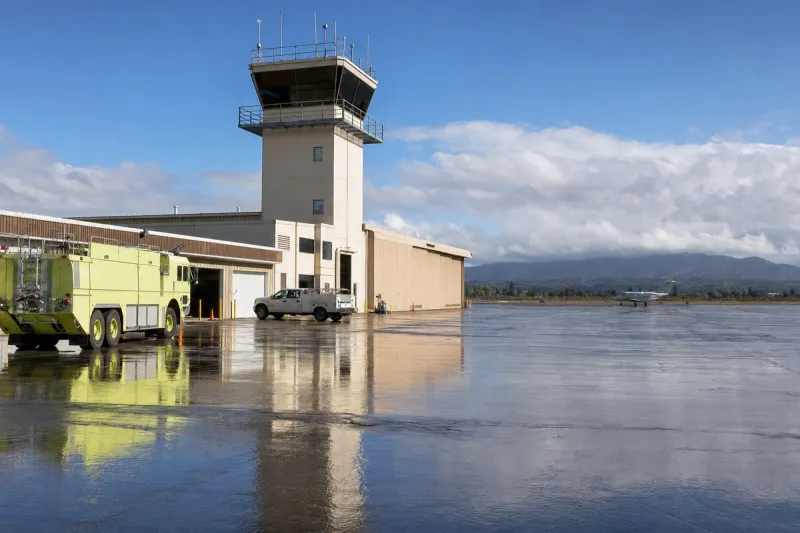
The couple had departed Clark Regional Airport in Jeffersonville, Indiana, bound for Wichita Dwight D. Eisenhower National Airport in Kansas, and made a stop at a Missouri airport identified as AIZ. About an hour later the flight was released for departure. About one minute after receiving its departure clearance, the pilot told the controller the flight was returning to AIZ and declared an emergency. When the controller asked about the nature of the emergency, only a short, distressed transmission was heard on the frequency.
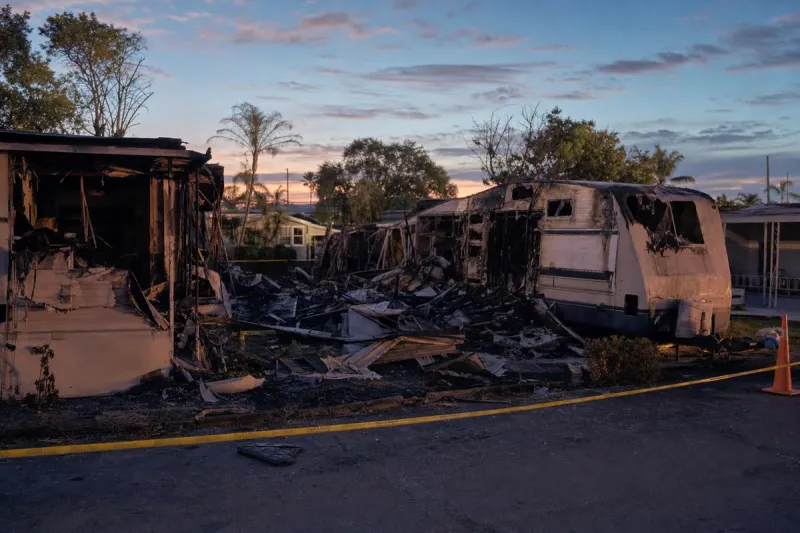
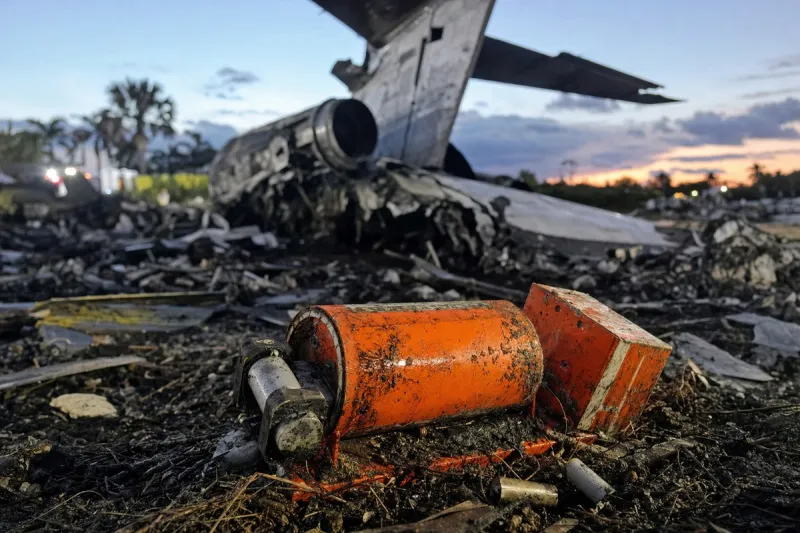
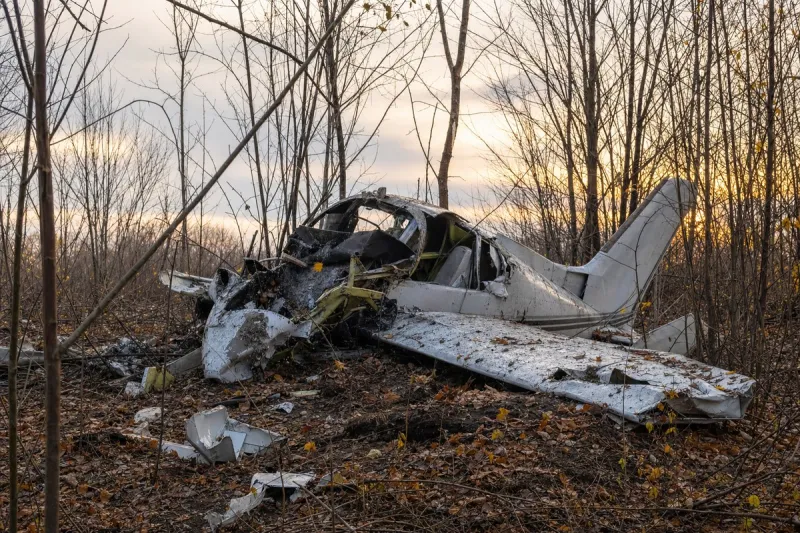
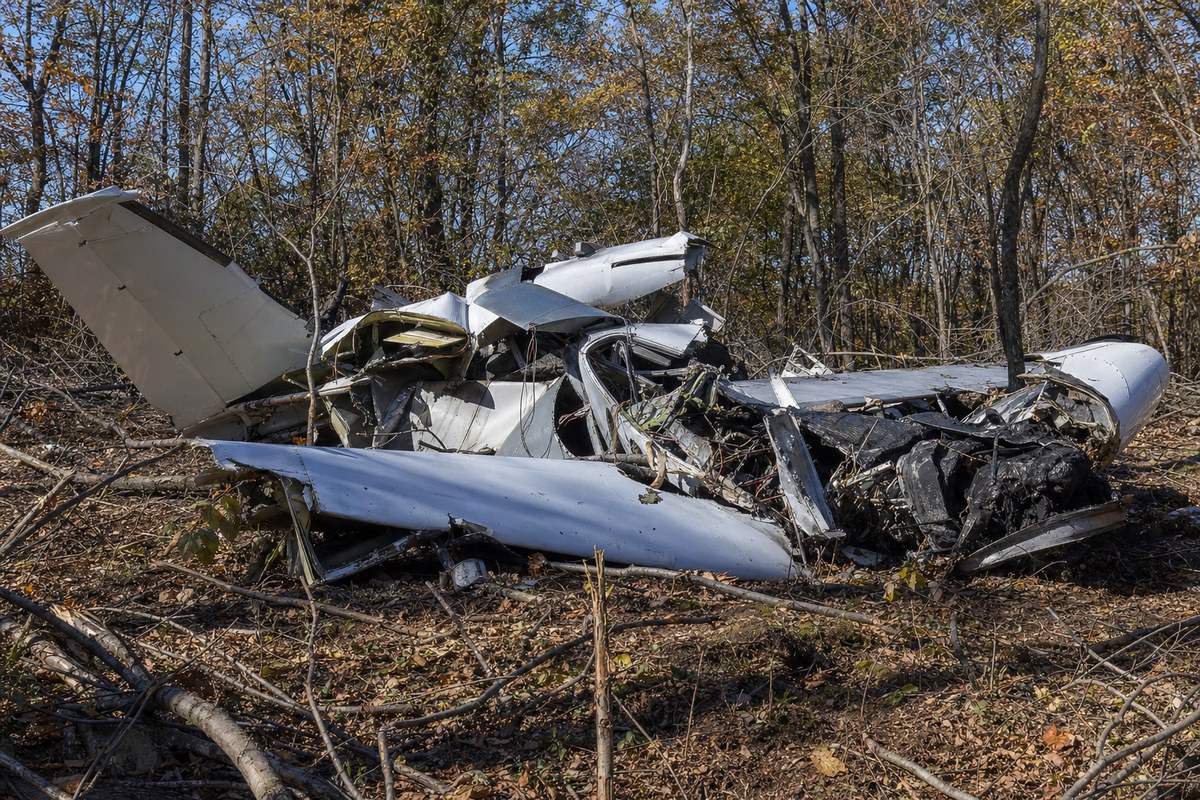
The airplane struck a wooded area of Lake of the Ozarks State Park, burst into flames and was mostly destroyed. Investigators said the extensive fire damage limited examination of the flight controls and fuel systems.
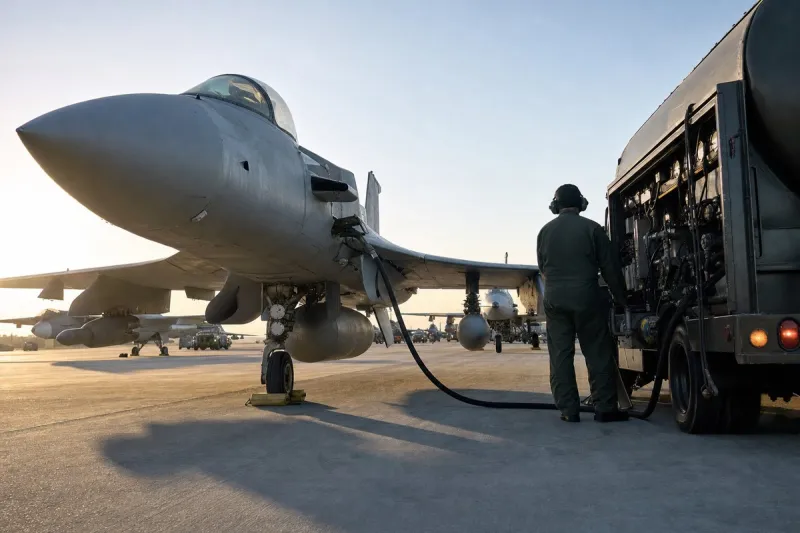
A review of the airport's fuel truck records showed daily and weekly inspections had been carried out, including an external condition inspection and tank sump, filter sump and leak checks. The last 100LL fuel truck inspection was documented on the day of the accident. Investigators reported no obvious mechanical failures, and post-crash fuel samples were clear. No official cause has been determined, and the investigation is ongoing.
Industry impact & what to watch
A preliminary NTSB report is a statement of what investigators have documented so far, not a finding of cause. In this case the documented items are narrow: fuel truck inspection records, clear post-crash fuel samples, and an absence of obvious mechanical failures in wreckage that fire largely consumed. When fire limits access to flight controls and fuel systems, the physical evidence that can be recovered shrinks, and the investigation leans more heavily on records, radio audio and radar data.
For general aviation, the fuel records in the report illustrate how much of the safety picture on a piston single sits with the airport side: truck inspections, sump checks and filter checks are documented routines whose paper trail investigators examine after an event. Declaring an emergency and turning back one minute after departure clearance is also the kind of short-fuse event that tests both pilot decision-making and controller handling, though the report assigns no cause to either.
The next milestone is the NTSB's final report, which is where a probable cause would be stated; until it is issued, any explanation for the emergency call remains undetermined.