FAA Proposes $170,000 Penalty Against Sonoma County Airport Over Emergency Coverage and Wildlife Inspection Lapses
Why It MattersThe case shows how commercial-service airports depend on certified rescue and firefighting coverage and wildlife inspections, and how enforcement increasingly targets staffing shortfalls when traffic growth outpaces airfield operations capacity.
What happened
The FAA has proposed a $170,000 civil penalty against Charles M. Schulz-Sonoma County Airport (STS) in Santa Rosa, California. The allegations concern emergency response coverage and runway wildlife inspections, and relate to two passenger flights conducted in March 2025.
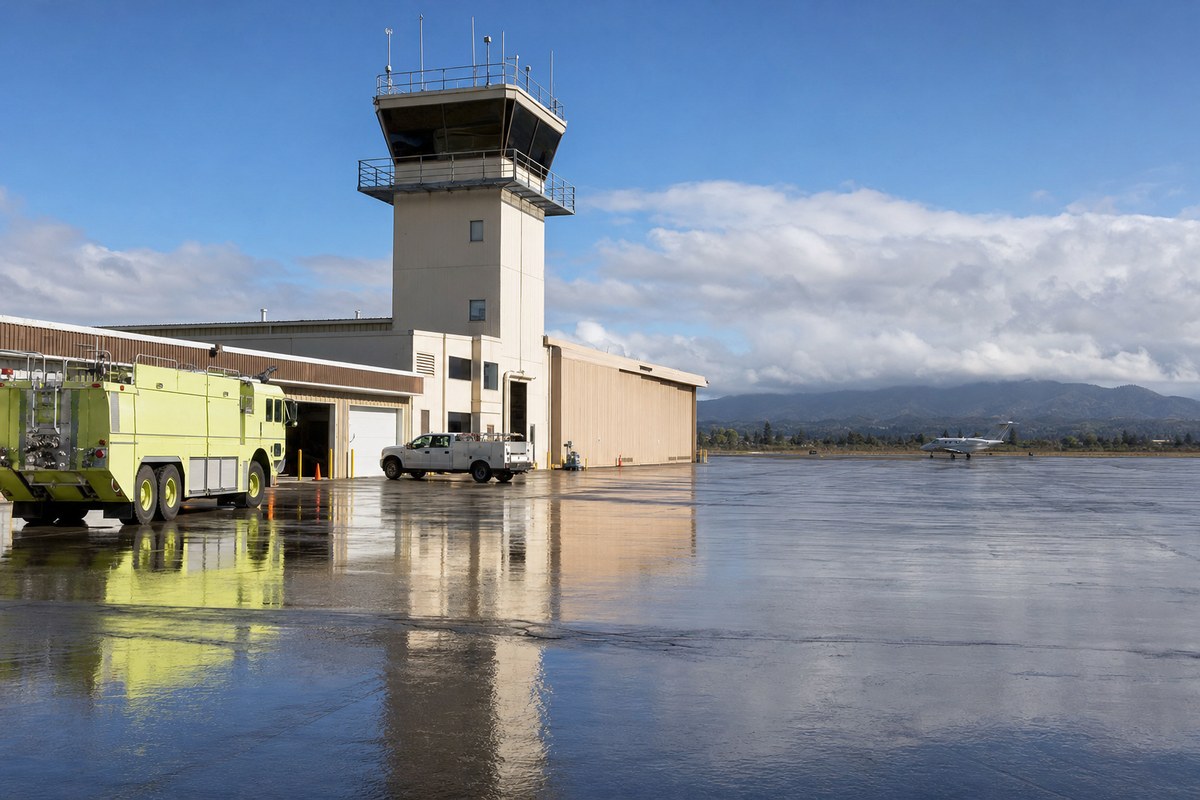
The agency alleges that the airport did not provide the required aircraft rescue and firefighting (ARFF) personnel and vehicles during those two flights. It also alleges the airport failed to notify the airline that the required coverage was unavailable, a notification specified in the airport's FAA-approved Airport Certification Manual.
A third allegation covers wildlife. The FAA says airport personnel did not carry out a required runway inspection for deer and other wildlife before the first flight of the day on one of those occasions, an inspection required under the airport's FAA-approved wildlife hazard management plan.
The airport has faced scrutiny over emergency response staffing before. In October 2024, KQED reported that airport personnel failed to meet a three-minute response requirement during an unannounced FAA inspection, which followed employee complaints about insufficient staffing for aircraft emergencies. Sonoma County supervisors subsequently approved two additional airport operations specialist positions for airfield safety and emergency response duties. Airport manager John Stout said: "We do need additional staffing as the growth continues, both in the office and in the field."
Sonoma County Airport has 30 days after receiving the FAA's notice to respond to the proposed penalty. The agency has not announced a final determination.
Industry impact & what to watch
Commercial-service airports hold their operating certificate on the strength of documents the FAA has approved: the Airport Certification Manual and the wildlife hazard management plan. A penalty built on departures from those documents shows how the agency measures compliance, flight by flight, against what the airport itself committed to do. Rescue coverage that is required for a scheduled passenger operation but unavailable on the day is a gap the manual expects the airport to flag to the airline in advance.
Staffing is the thread connecting this case to the 2024 inspection findings and the county's decision to add positions. Airports that add or retain scheduled service generally need airfield and rescue staffing to scale with it, and the manager's own remark about growth points to that pressure. Smaller certificated airports often run lean airfield crews, so a single absence can leave a required function uncovered.
The next milestone is the airport's response, due within 30 days of receiving the notice, after which the FAA has yet to announce a final determination on the $170,000 figure.