AlbaStar suspends flights and plans insolvency filing as two more European charter operators fail in a week
Why It MattersThree European charter operators failing in one week shows how thin the margin is for leveraged charter carriers when fuel costs jump and sale processes cannot close before cash runs out.
What happened
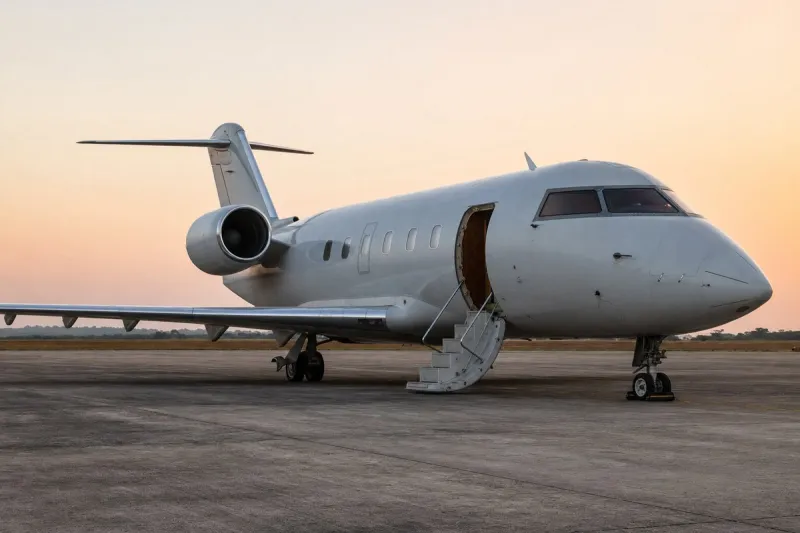
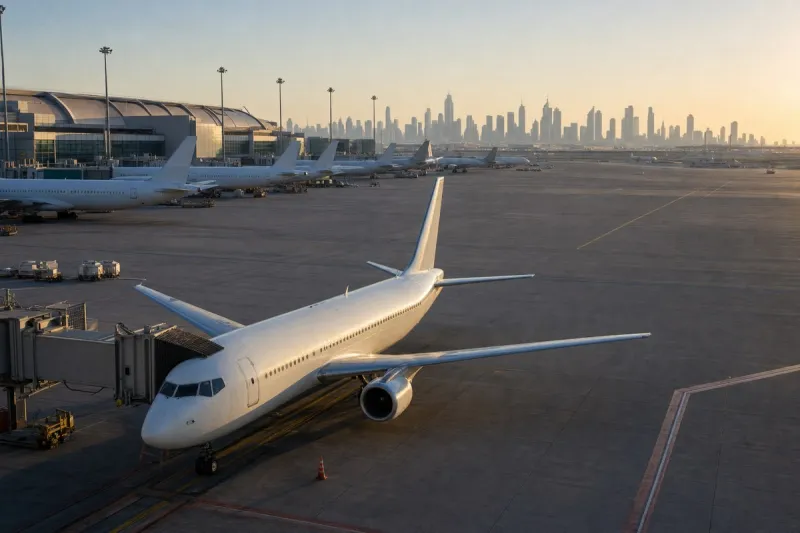
Spanish charter airline AlbaStar suspended all commercial flights on 10 November and said it would file for voluntary insolvency. Managing director Oriol Hernandez set out the decision in a letter to collaborators seen by the Spanish travel trade paper Preferente. He blamed debt carried since the pandemic and, over the past year, geopolitical tension and more expensive fuel. He wrote that potential investors had shown interest in continuing the business but no transaction was completed, and that the time needed to close one, together with the company's cash position, forced the suspension.
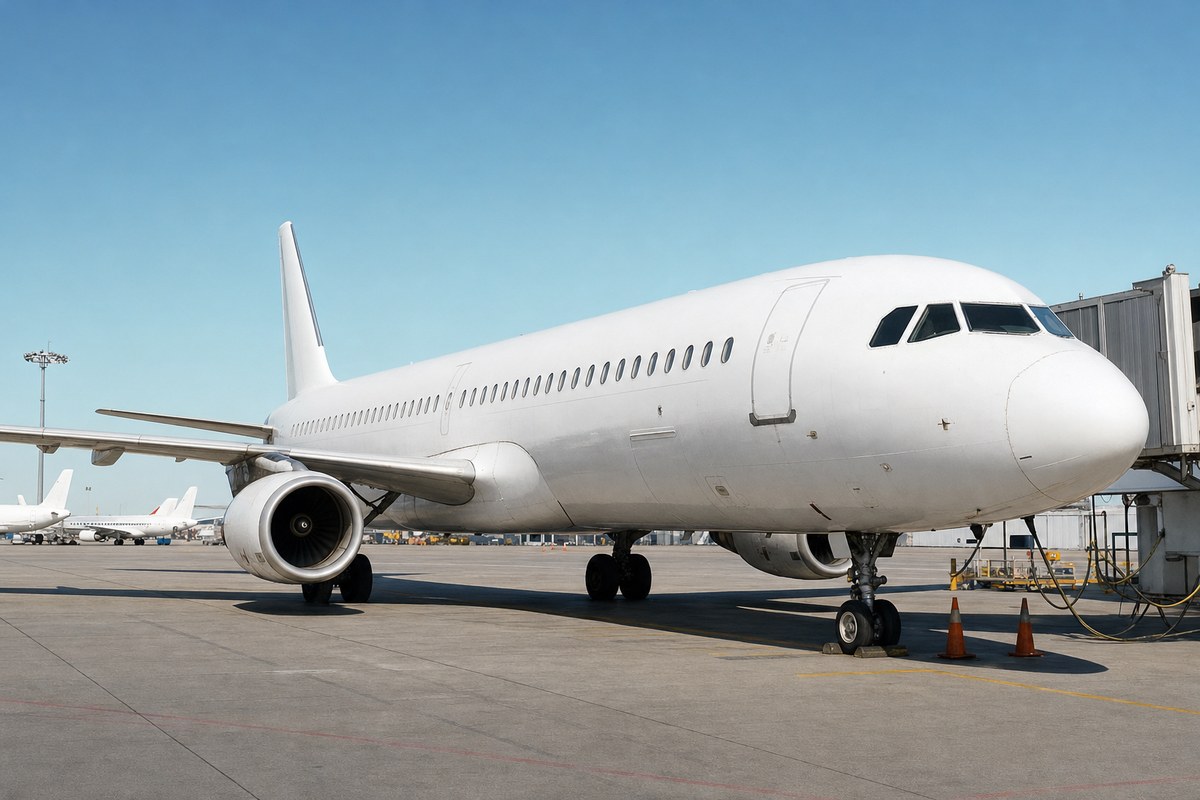
El Economista reported that the sale process had drawn three offers, with shareholders seeking a valuation near 50 million euros. Sherpa Capital held 71.1 per cent through EPIFI Investments and Italian tour operator IASCTA 26 per cent. AlbaStar exceeded 100 million euros of revenue in 2024 but recorded operating profit of 7.56 million euros against a 17 million forecast, with negative equity of 19.69 million and total liabilities of 43.61 million euros. State development finance institution Cofides put 15 million euros into the 2022 recapitalisation that brought Sherpa Capital control.
Two other European operators failed in the same week. Slovak carrier AirExplore stopped flying on 10 November and asked to surrender its air operator certificate, ending 16 years of operations; owned by Avia Solutions Group since 2023, it had three Boeing 737-800s left. Preferente reported on 12 November that Fly4 Airlines Green, the Dublin-based operator founded in 2023 with four Boeing 737-800s, had announced suspension of payments, with Irish courts starting the process to appoint liquidators. Its main client was Tui, which is also a minority shareholder alongside Poland's Enter Air.
The International Air Transport Association's jet fuel price monitor puts the latest weekly global average at 178.95 dollars a barrel, down 6.6 per cent on the previous week. El Correo, citing IATA, reported 192.44 dollars on 25 October, 113.7 per cent above a year earlier. Fuel is about 30 per cent of an airline's costs, according to Air France-KLM's Manuel Flahault. Ryanair has hedged 80 per cent of consumption to March 2027, falling to 15 per cent from April, and chief executive Michael O'Leary has forecast European fare rises of 10 to 20 per cent over twelve months.
Capacity into Spain
Cirium data obtained by El Correo show airlines removed 3,111 flights and 563,254 seats from November and December plans to Spain in six weeks, comparing schedules of 21 August and 2 October. November flights fell from 47,314 to 45,646, down 3.5 per cent, and December from 49,036 to 47,593, down 2.9 per cent.
Total international capacity for the fourth quarter remains 30.49 million seats, 4.4 per cent more than a year earlier, with Wizz Air supplying almost half the new seats. Because AlbaStar's seats were sold through tour operators, the organiser is the first contact for passengers holding bookings.
Industry impact & what to watch
Charter and wet-lease-style operators sell most of their seats to a small number of tour operators, so the carrier carries the fuel and financing risk while the customer holds the booking relationship. When fuel rises sharply, a carrier with negative equity has little room to absorb it, and a buyer needs time to complete due diligence that the cash position may not allow. AlbaStar's letter describes that sequence: interest from investors, no closed deal, and a balance sheet that could not wait.
The three failures also show how different ownership structures end up in the same place. AlbaStar was backed by a private investment vehicle and a tour operator, AirExplore by a larger aviation group, and Fly4 Airlines Green by a tour operator's minority stake alongside an airline. Shareholder support did not prevent suspension in any of the three. Fuel hedging, as Ryanair's 80 per cent cover to March 2027 illustrates, is a protection that small carriers with thin cash generally cannot buy at that scale.
The next concrete steps are the voluntary insolvency filing AlbaStar has announced and the liquidator appointment process the Irish courts have begun for Fly4 Airlines Green. Those proceedings will show how the aircraft and customer contracts are redistributed, and Ryanair's hedge dropping to 15 per cent from April marks the point from which fuel exposure grows across the sector.