Runway Grooves Improve Wet-Weather Braking for Jets, but Use Varies Worldwide
Why It MattersGrooving is a climate- and traffic-dependent pavement choice rather than a universal safety standard, so wet-runway risk differs by airport surface and by how each regulator treats the technique.
What happened
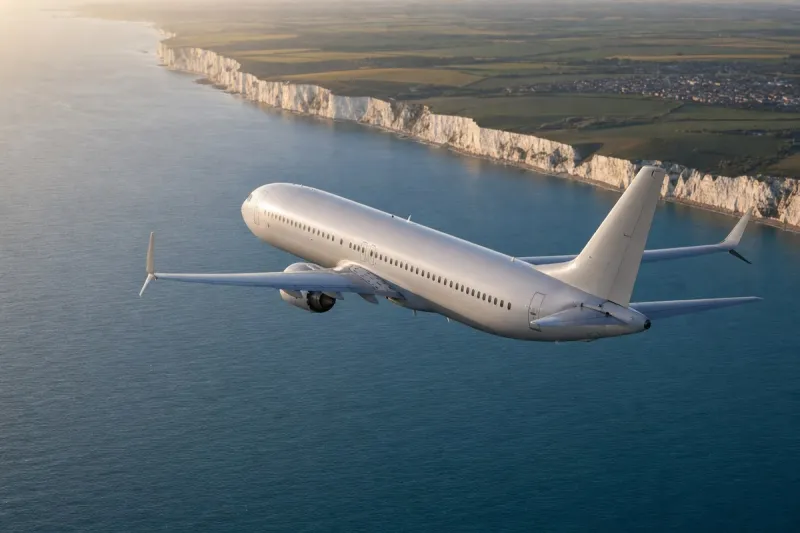
Runway grooving was pioneered in the United States to improve aircraft traction and water drainage. NASA's Wallops research runway carried out almost 200 braking tests with a McDonnell Douglas F-4D Phantom II fighter and a four-engine Convair 990 airliner. The tests found that grooves substantially increase the braking capability of heavy jet-powered aircraft on wet, flooded and slushy surfaces. Square, V-shaped and trapezoidal cuts were used over the years before the FAA settled on the straight-line grooves common at airports today.
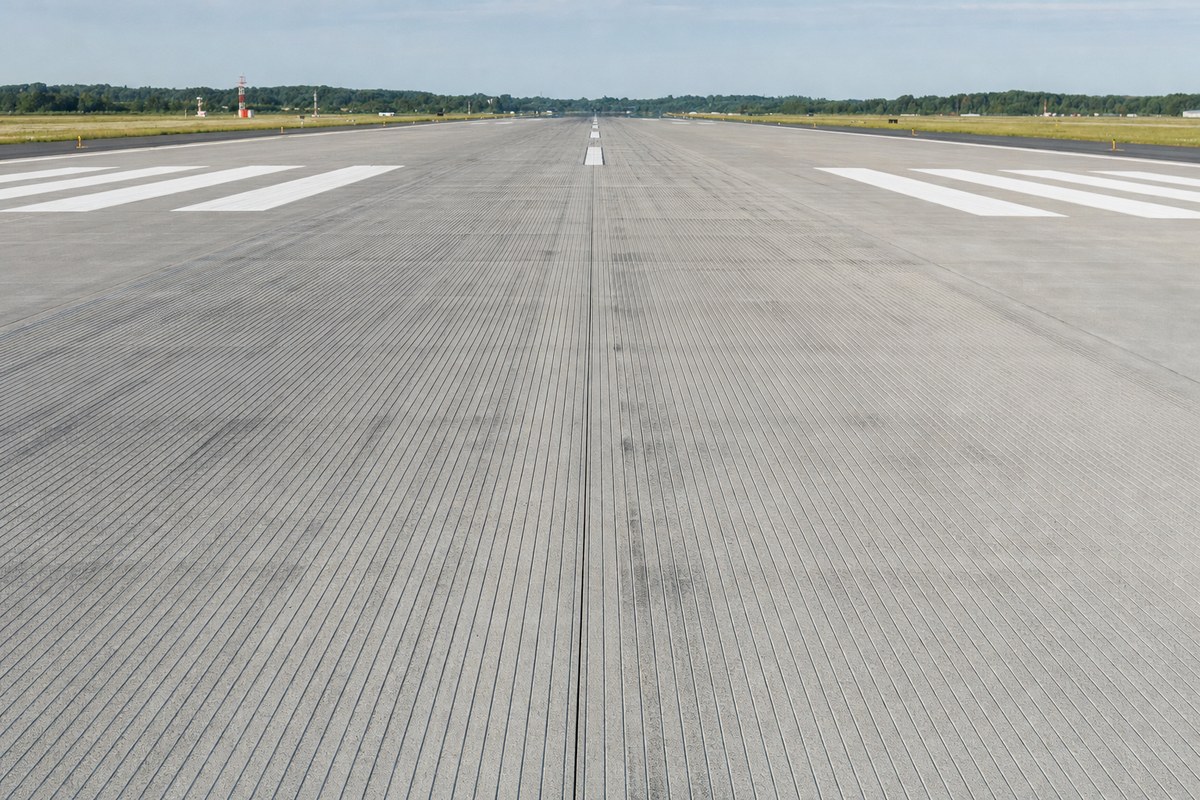
The grooves give rainwater a way out from under an aircraft's tires and are designed to counter hydroplaning, in which a tire's footprint lifts off the pavement and rides on a layer of water at high speed. Typical FAA specifications for transverse grooves are approximately 1/4 inch (6.4 mm) in width and depth, spaced 1.5 inches (38 mm) apart center to center. A 1997 FAA Advisory Circular, 'Measurement, Construction, and Maintenance of Skid-Resistant Airport Pavement Surfaces', called grooves a proven and effective technique for providing skid resistance and preventing hydroplaning in wet weather.
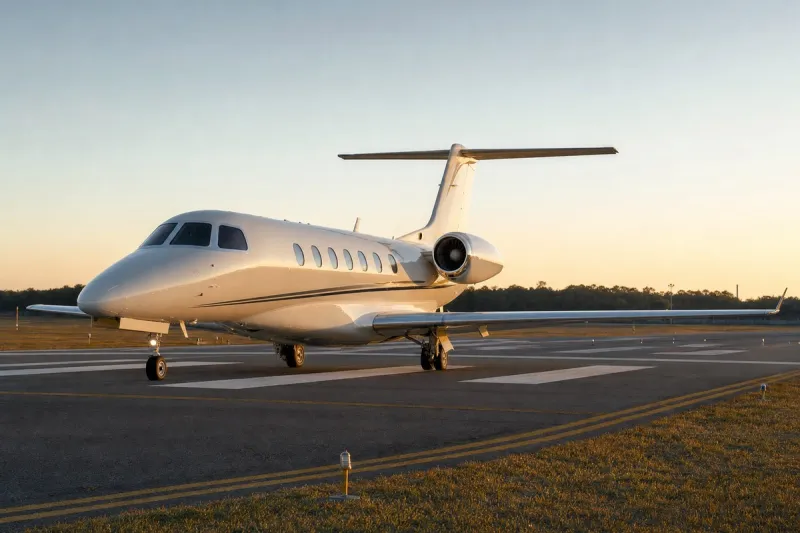
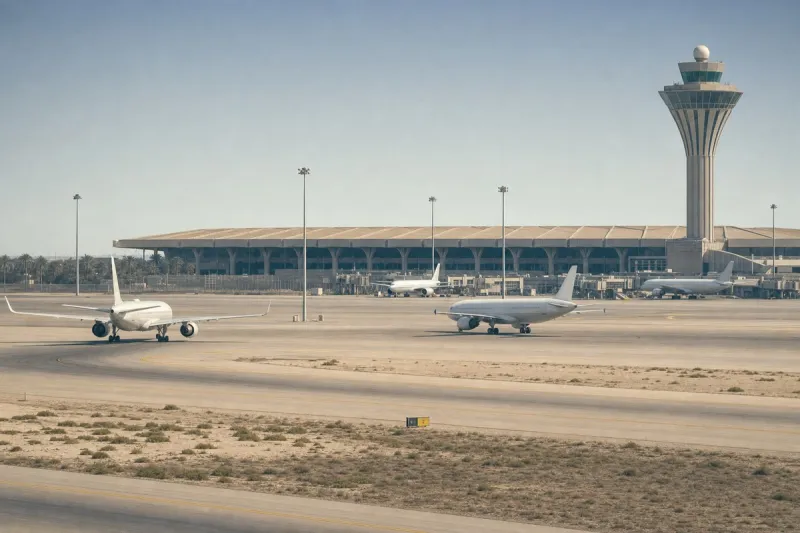
Grooving is very common at major commercial airports worldwide, though not universal, and is particularly common in the United States, partly because of the FAA's strong position. ICAO's standards recognize grooving as a way to improve wet-runway braking but stop short of mandating it, and EASA treats it as one possible method. Canada's Transportation Safety Board says grooving is not required there; Ottawa International Airport became the first Canadian airport to groove its runway in 2013. China and France prefer alternatives such as stone mastic asphalt and other textured or specialized asphalt surfaces.
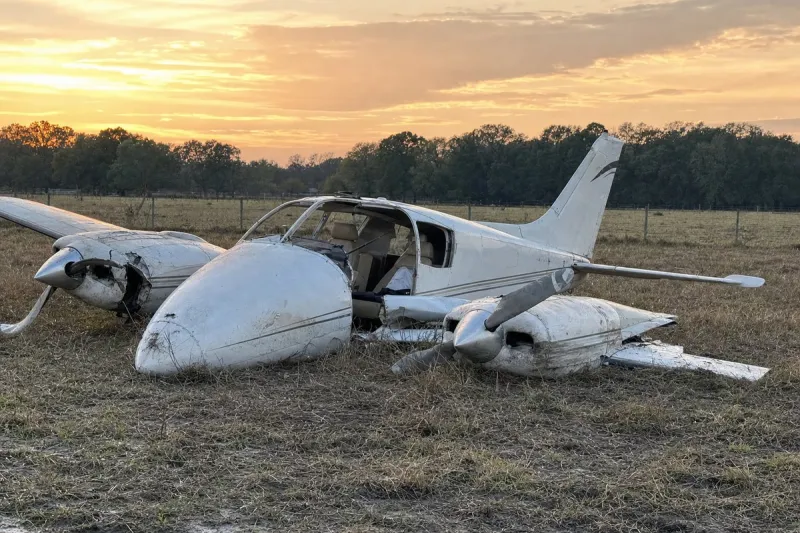
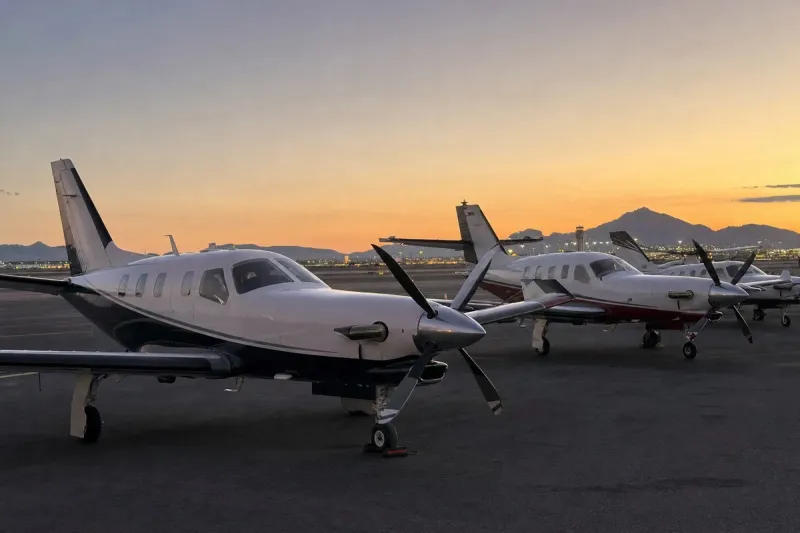
Most small general aviation airports have no grooved runways. Light aircraft land at lower weights and speeds and are less susceptible to hydroplaning, and traffic volumes may not justify the cost. Surface treatments such as porous asphalt overlays, concrete texturing, aggregate selection and runway gradients can provide adequate friction. Light aircraft often lack anti-skid braking, which can allow wheels to lock and skid.
Costs and climate limits
Drawbacks include maintenance, since tire rubber accumulates in the grooves, especially in touchdown zones, reducing their effectiveness. Other listed drawbacks are possible pavement damage, added foreign object debris and slightly more tire noise.
Grooves help most at wet airports such as those in the US Pacific Northwest and Northern Europe. They are less useful in dry climates such as Saudi Arabia, Egypt or Arizona, where sand can also collect in them. In cold climates they can retain de-icing chemicals and help drain melted snow and ice.
Overruns on wet runways
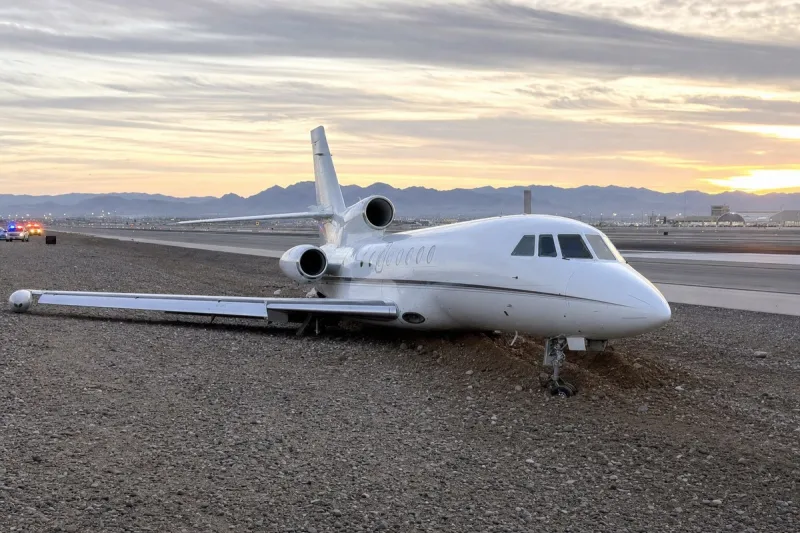
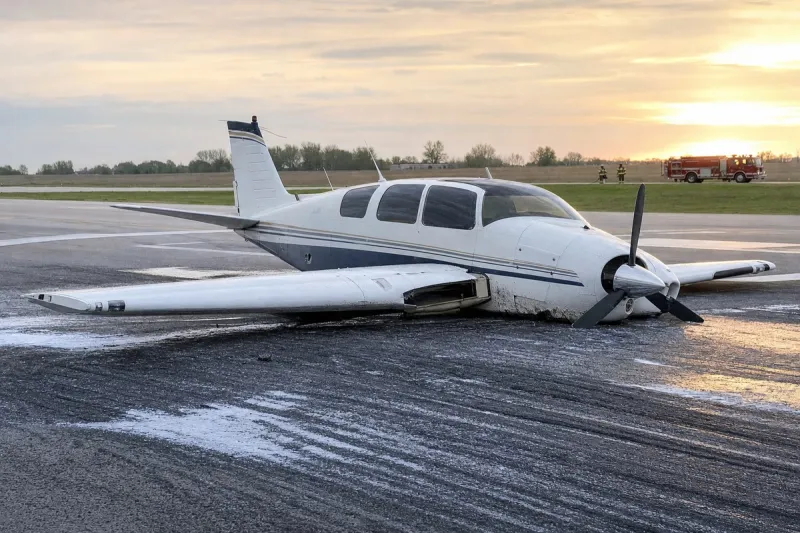
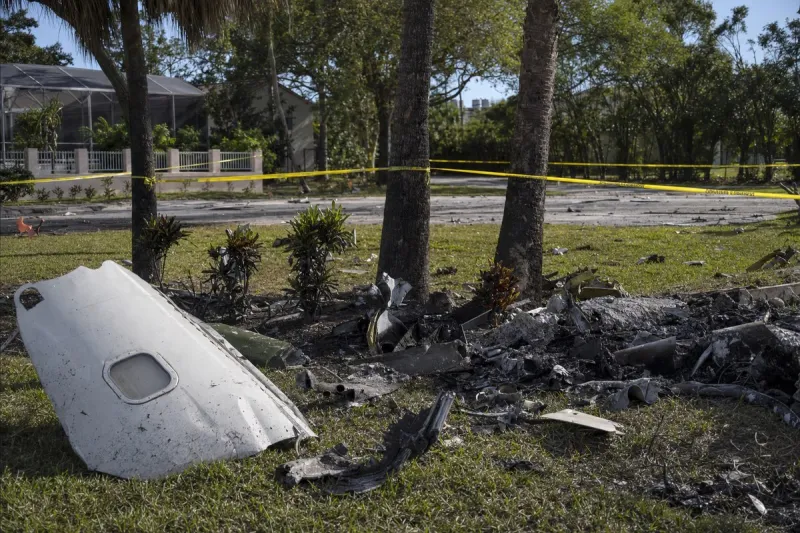
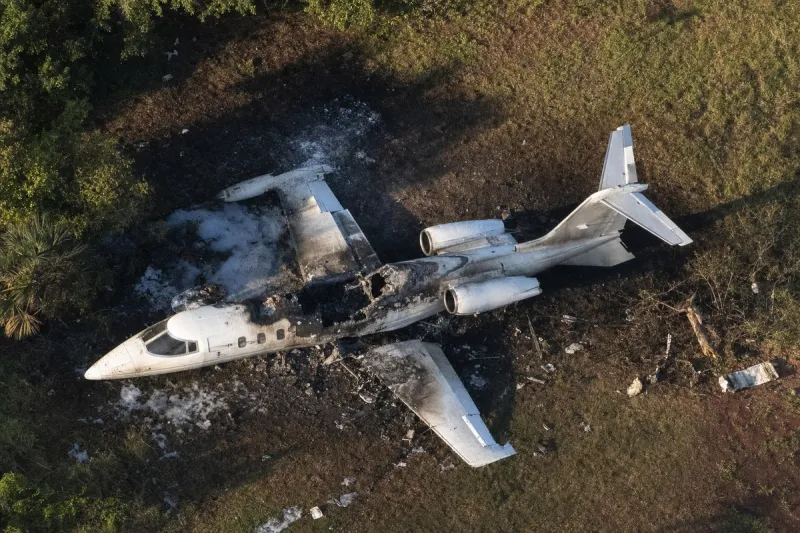
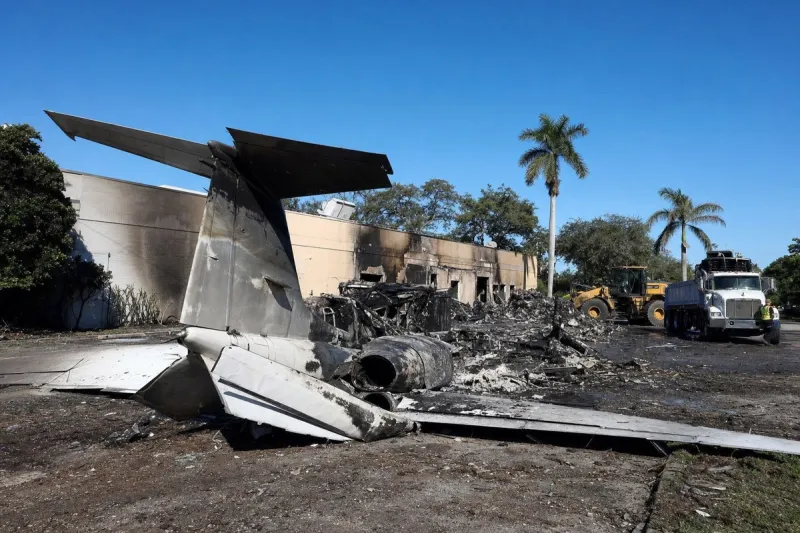
Hydroplaning has been a contributing factor in several overruns. In 2019 a Boeing 737 operating as Miami Air International flight 293 overran the wet, ungrooved runway at a US Navy airfield in Jacksonville into the St. Johns River, with no serious injuries. The NTSB cited extreme loss of braking friction due to heavy rain and water depth on the ungrooved runway, resulting in viscous hydroplaning. The airfield was not covered by the 1997 FAA guidance.
Other cases include an Embraer aircraft operated by United Express at Ottawa in 2010 and American Airlines flight 331 at Kingston in 2009.
Industry impact & what to watch
Grooving sits in the category of measures that regulators endorse without requiring. The FAA treats it as a proven technique, ICAO recognizes it without mandating it, EASA lists it as one method among several, and Canada does not require it. The result is that a runway's wet-weather friction depends on the individual airport's pavement choice, its climate and the guidance that applies to it, not on one global baseline.
The economics follow the same split. A heavy jet at a wet airport gains the most from grooves, which is why they are so common at major commercial fields. At dry or low-traffic fields the maintenance burden, the rubber build-up in touchdown zones and the sand or de-icing residue can outweigh the benefit, and alternatives such as stone mastic asphalt or porous overlays can deliver friction by another route.
The Jacksonville case shows where the gaps sit: the airfield fell outside the 1997 FAA guidance, and the NTSB tied the loss of braking friction to the ungrooved surface. For anyone planning wet-weather operations, the practical check is the specific runway's surface type and its maintenance state, not the assumption that grooving is present.