FAA Ramp Checks Examine Crew and Aircraft Documents; Part 135 Training Records Stay at the Operator's Office Under 135.63
Why It MattersWhere Part 135 records physically sit determines how quickly an operator can answer an inspector, so the quality of an operator's back-office file system is itself a compliance exposure.
What happened
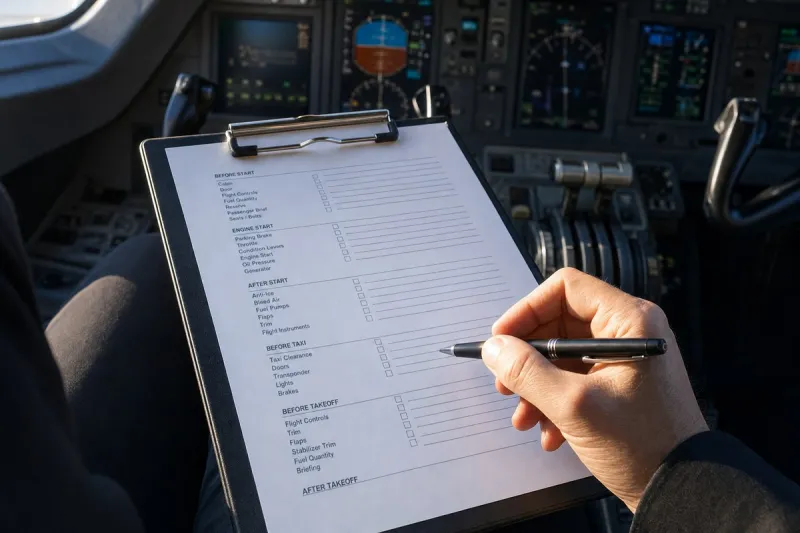
Under 14 CFR 135.63, Part 135 pilot training records belong to the certificate holder. They are kept at its principal business office or another FAA-approved location, where they must be made available to the FAA for inspection, and they are generally not a standard onboard document.

A ramp inspection examines the aircraft and the operation as it happens. FAA surveillance guidance also describes separate, dedicated inspections of crewmember and dispatcher records. FAA Order 8900.1, Volume 6, Chapter 2, Section 5, which is inspector guidance rather than regulation, says the ramp inspections it covers include at a minimum the registration, the Airworthiness Certificate and the maintenance logbook. Section 135.73 requires the certificate holder and its employees to allow FAA inspections or tests at any time or place.
For a Part 135 flight, the documents carried onboard fall into two groups. Personal documents include the pilot certificate and qualifying photo ID under 61.3(a) and the medical certificate under 61.3(c), subject to exceptions. Section 61.51 requires pilots to present Part 61 records on reasonable request but does not require carrying a complete personal logbook on every flight. Aircraft documents include the airworthiness and registration certificates under 91.203, the maintenance log under 135.65, and current operating information at the pilot station under 135.83.
Under 135.63(a)(4), each pilot's file must include: full name; pilot certificate type, number and ratings; aeronautical experience; current duties and date of assignment; medical certificate effective date and class; dates and results of specified tests and checks, including aircraft type; flight time sufficient to determine compliance with flight time limitations; check pilot authorization, if any; certain actions relating to release from employment; and dates of completion of initial and recurrent training phases.
Minimum retention periods vary by record type: aircraft list, 6 months; pilot and flight attendant records, 12 months; multiengine load manifests, 30 days; hazmat training records under 135.507, three years of training coverage kept while the person performs the function and for 90 days afterward; and certain medical personnel briefing records under 135.621(c), 24 calendar months. Section 135.63(b) does not contain the '12 months after separation' language found in Part 91K's 91.1027.
The StarFlite revocation
On February 27, 2026, the FAA announced an emergency order revoking StarFlite Aviation's Part 135 certificate. According to the FAA, management knowingly made false entries in Part 135 training records for at least 10 pilots, including the chief pilot, between November 2019 and November 2024, showing checks that did not occur, and the operator used unqualified pilots on at least 170 flights.
These are the FAA's allegations and findings, and the operator could appeal to the NTSB.
Preparation measures for operators
Preparation measures for operators include auditing each pilot file against the 135.63(a)(4) fields, confirming the records location is FAA-approved and retrievable on request, making every completion traceable to a named certifier, and reconciling Pilot Records Database submissions with the source file. Those submissions are generally reported within 30 days of creation under 14 CFR 111.225.
Where the A031 contract training OpSpec applies, FAA material describes an initial audit and report within 60 days and recurrent audits at intervals not greater than 24 calendar months.
Industry impact & what to watch
The split between what rides in the cockpit and what sits in the office shapes how Part 135 compliance is actually tested. A ramp check can only touch the aircraft, the crew's personal credentials and the onboard logs, so the training file that proves a pilot is qualified is reached later, through a records inspection at the operator's premises. For charter operators, that makes the integrity of the back-office file the real exposure, not the folder in the cockpit.
The StarFlite case shows what that exposure looks like when a records inspection finds entries that do not match what happened. A false training entry does not stay a paperwork problem; it converts every flight flown by the affected pilot into a potential operation with an unqualified crewmember. For brokers and customers who buy lift from Part 135 operators, the practical consequence is that a certificate being valid on paper says little about whether the underlying files would survive scrutiny.
The outcome of any NTSB appeal by StarFlite is the next dated point that would show how far the FAA's findings hold up.