NATS CEO Martin Rolfe Apologizes for September Air Traffic Control Outages That Forced About 2,200 Flight Cancellations
Why It MattersA single control-system failure can cancel thousands of flights across many carriers at once, which shows how much airline schedule reliability rests on one shared air traffic provider.
What happened
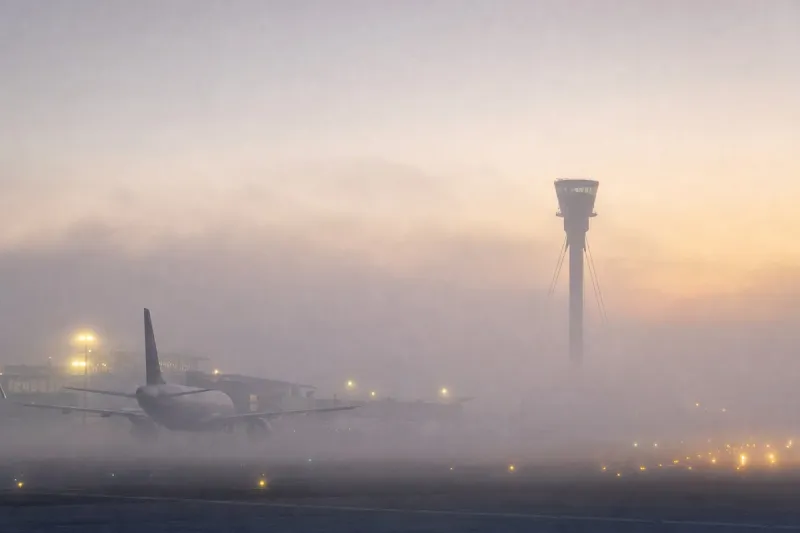
Martin Rolfe, chief executive officer of NATS, apologized for two glitches in September that forced airlines to cancel about 2,200 flights and delay dozens more. NATS is the company that manages the UK's air traffic control system.
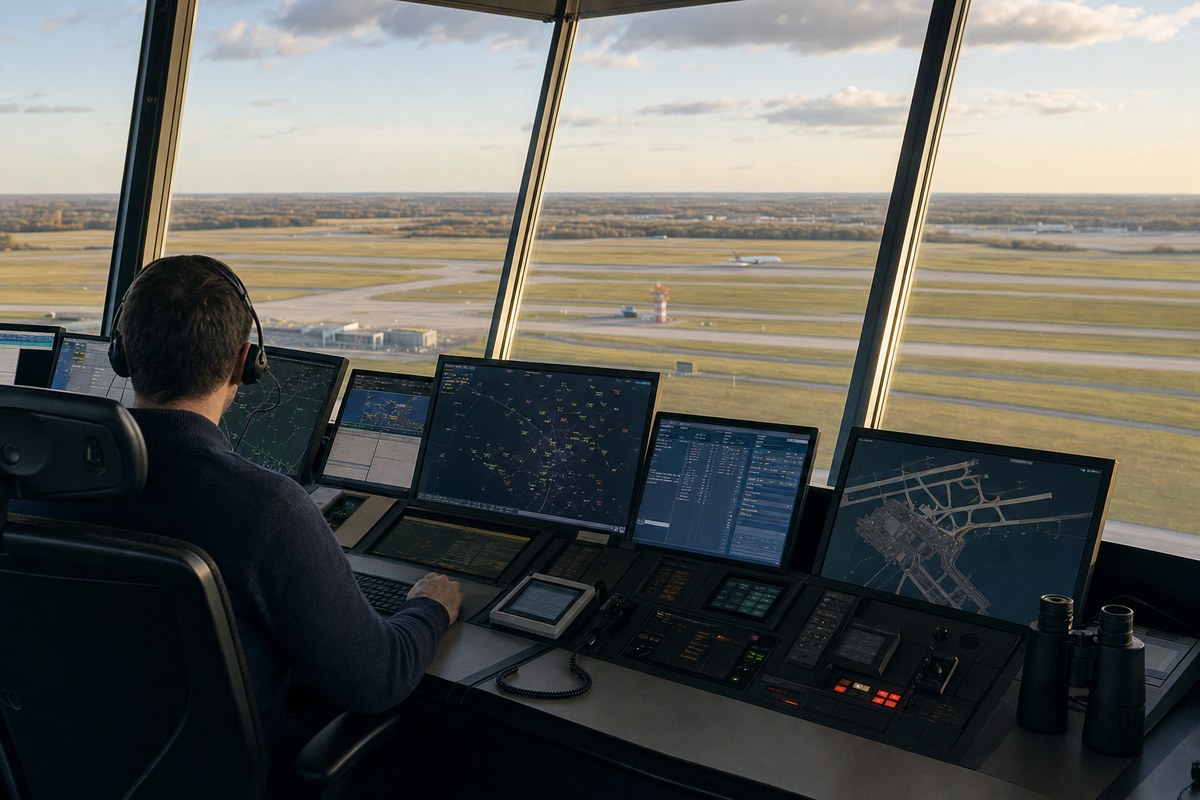
Rolfe spoke at an event in London on Wednesday that several airline executives attended. He told the room: "In September, we didn't deliver the service you expect from us. More importantly, we let down your passengers."
He added that he knows the operational and commercial consequences the disruption created for the airlines and that he is "genuinely sorry for that."
Industry impact & what to watch
The audience for this apology was airline executives, not regulators or passengers, and that shapes how it reads. Carriers depend on a single air traffic provider for the airspace they fly through, so a fault on the provider's side turns directly into cancellations on theirs, with no way to reroute around it. Rolfe's wording treats the airlines as the customers who bore the commercial cost, with passengers named as a second group let down.
Two separate glitches producing about 2,200 cancellations shows how concentrated the exposure is. Airlines can schedule spare aircraft and crews, but they cannot hold spare airspace capacity, so the recovery burden after an air traffic control outage sits mainly with the carriers.
The apology is a statement of regret rather than a fix. Whether it settles the matter for airlines will depend on what NATS goes on to say about the two glitches and on how the airline executives who heard it respond.