Nigerian Senate Urges Regulators to Divert Aircraft to Alternate Airports During VIP Airspace Restrictions
Why It MattersWho absorbs the cost of VIP-driven airspace closures, in fuel, crew hours and schedule integrity, depends on whether Nigerian regulators shift the response from airborne holding to ground holding or diversion.
What happened
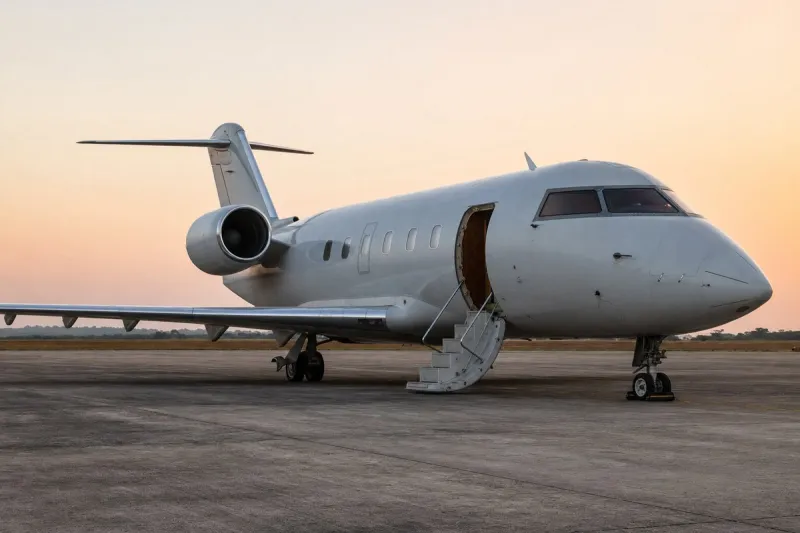
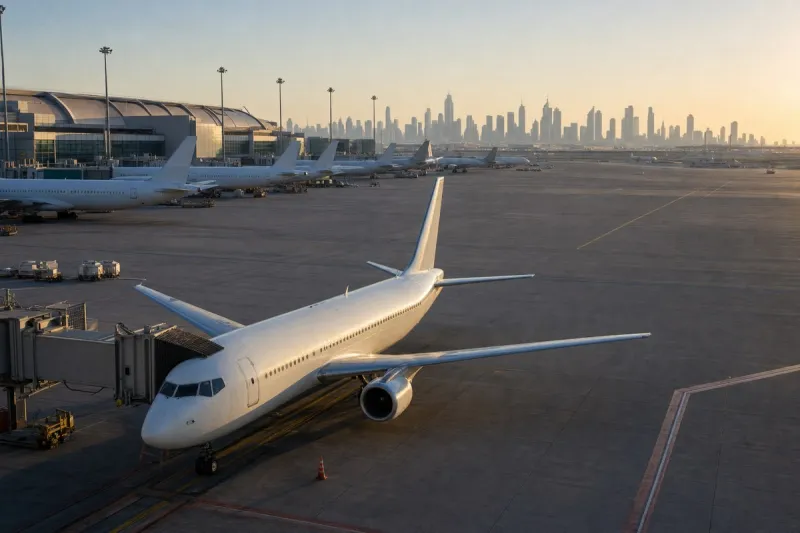
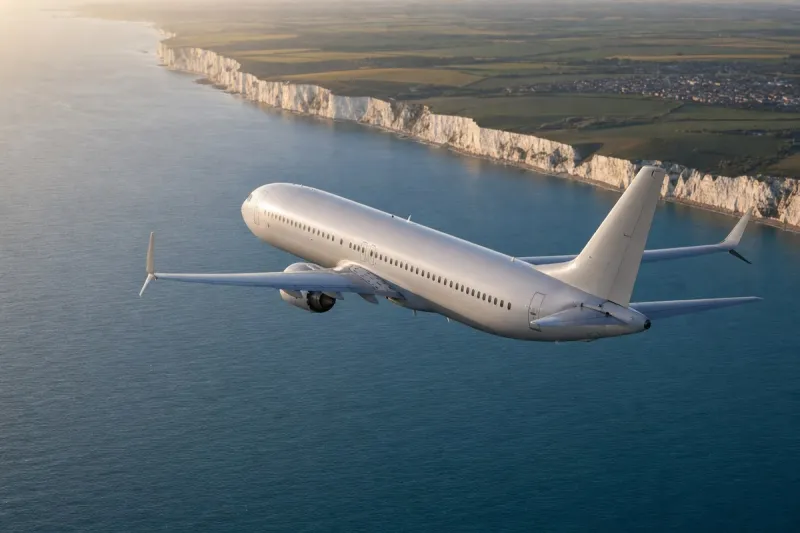
The Nigerian Senate on Tuesday urged aviation regulatory agencies to redesign their operational procedures so that aircraft are diverted to alternative airports whenever the movements of President Bola Tinubu and other VIPs require temporary airspace restrictions. Lawmakers said diversion would be safer for passengers than keeping aircraft airborne for extended periods while landing operations are suspended for VIP movements or other security-related activities.
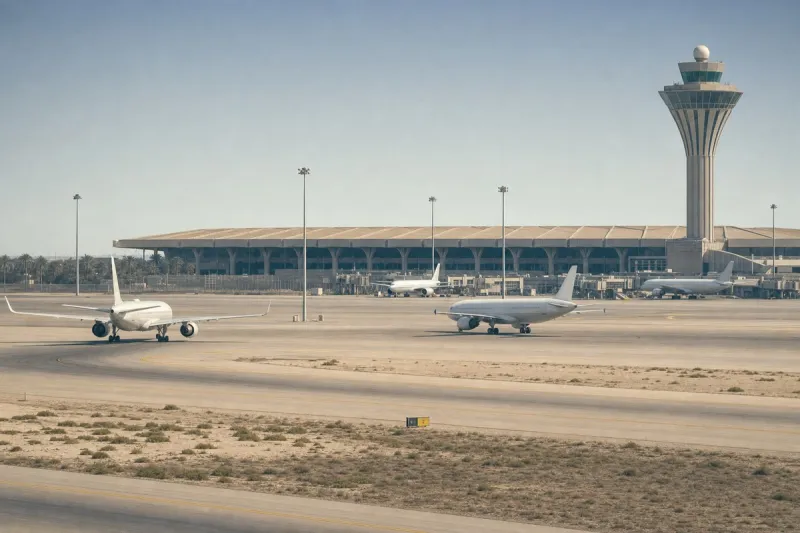
The call followed debate on a motion on the risks of holding aircraft in the air at Nigerian airports. Senator Jibrin said commercial aircraft scheduled to land at some domestic airports are sometimes forced to stay airborne for extended periods, in some cases exceeding an hour. He said prolonged holding can raise fuel consumption and cut operational fuel reserves, and can add risks including worsening weather, air traffic congestion, reduced flexibility for diversion, crew duty-time constraints and potential fuel emergencies, especially when several aircraft await clearance at once.
Jibrin urged that, where restrictions are foreseeable, airlines be notified in advance and air traffic be managed at the point of origin by holding aircraft on the ground rather than letting them depart and then wait for land clearance. He also asked the Senate to direct its Committee on Aviation to engage the NCAA, NAMA, FAAN and NSIB to ensure compliance. Senators Diket Plang and Abdul Ningi criticised regulators and airlines, with Plang questioning why airlines are allowed to take off when VIP movements could disrupt landings.
After the debate, Senate President Godswill Akpabio put the motion to a voice vote, which most senators supported, and directed the Committee on Aviation to convene a meeting between lawmakers and aviation regulators.
Priority rules already on the books
Under the Nigeria Civil Aviation Regulations 2023, aircraft carrying a head of state or government may receive priority in air traffic management where practicable and on a pilot's request. Aircraft in emergencies take priority over other aircraft, and landing aircraft take priority over departing aircraft.
The practice of holding aircraft for VIP movements has drawn earlier criticism from aviation stakeholders, and the House of Representatives considered a related motion in December 2017.
Industry impact & what to watch
The motion puts a recurring operational cost into a legislative frame. When airspace is restricted for a VIP movement, the burden falls on aircraft already in the air, which burn reserve fuel, run down crew duty time and lose diversion options, while the party requesting the restriction bears none of it. Moving the response to the ground, or to an alternate airport, shifts that cost back toward scheduling and notification.
That shift depends on advance notice. Ground holding at the origin only works if airlines learn of a foreseeable restriction before departure, which makes the quality of coordination between the agencies Jibrin named, NCAA, NAMA, FAAN and NSIB, the practical test. The existing priority rules favour landing over departing traffic and emergencies over both, so any new procedure would have to sit alongside those hierarchies.
The next concrete step is the meeting the Senate President directed the Committee on Aviation to convene between lawmakers and aviation regulators. What the regulators say there about diversion procedures and notification timelines will show whether the motion becomes an operating change or stays a statement of intent.