US Warns Americans in Middle East of Houthi Attacks, Iranian Targeting of Officials and Flight Disruptions
Why It MattersAdvisories that pair security threats with airspace-closure warnings show how conflict-driven risk in the Gulf now shapes flight planning, crew exposure and routing across the region's business aviation traffic.
What happened
The US State Department has told Americans in the Middle East to exercise heightened vigilance because of an increased threat of armed attacks by Iran-backed Houthis and Iranian efforts to target US government officials in the region. The advisory also warned of possible flight cancellations, airspace closures and travel disruptions as the conflict involving the US, Israel and Iran continues.
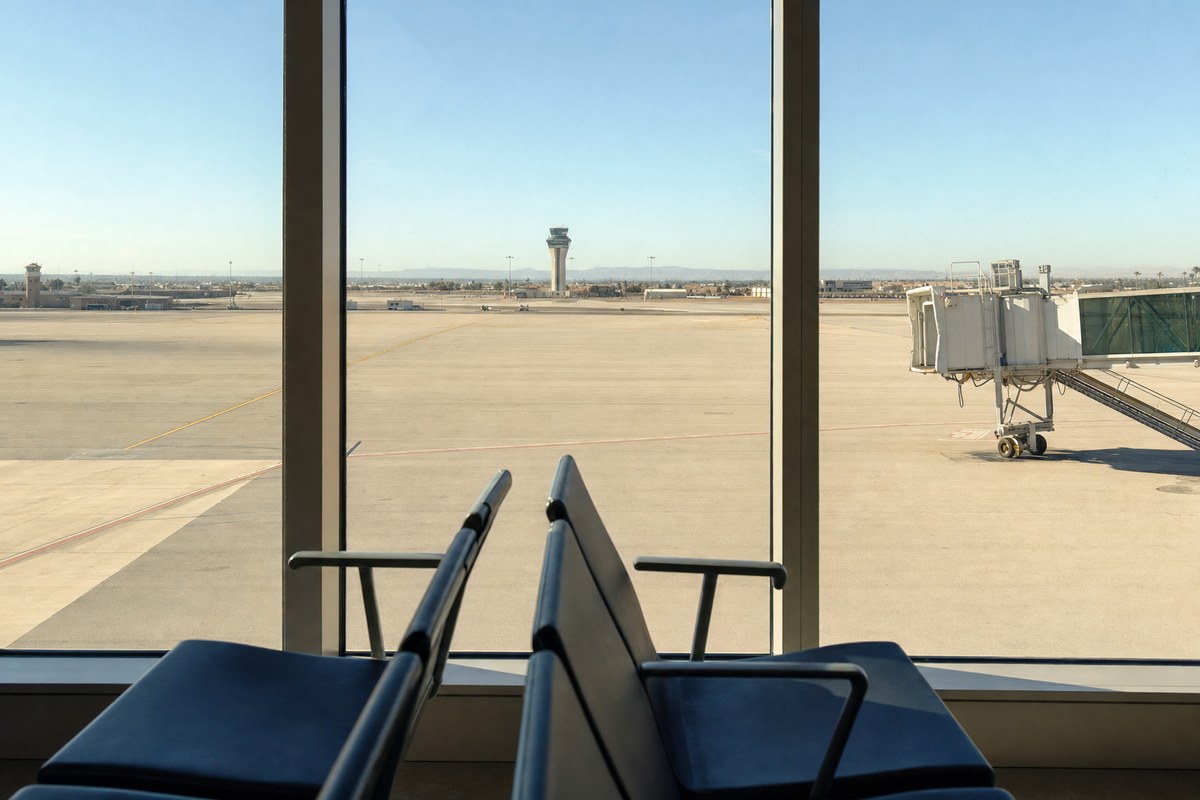
The warning follows continued Houthi attacks on Saudi Arabia. The Saudi-led coalition said it intercepted and destroyed a cruise missile headed toward Riyadh on Saturday. The Houthis have also targeted Saudi energy facilities and airports. The State Department's separate Saudi Arabia advisory asks Americans to reconsider travel, citing missile and drone threats, armed conflict and terrorism, and advises against travel to areas along the Yemen border. On October 23, the department ordered non-emergency US government employees and their family members to leave Saudi Arabia.
In the United Arab Emirates, US government employees need special authorisation to visit military bases and critical energy infrastructure. The UAE advisory warns that hostilities could spread and flags potential threats to public places, particularly those associated with Jewish and Israeli communities. The US Embassy in the UAE issued the same warning on Houthi attacks and Iranian targeting of US officials; the US mission in Saudi Arabia had issued a similar one earlier.
The strikes and the diplomatic track
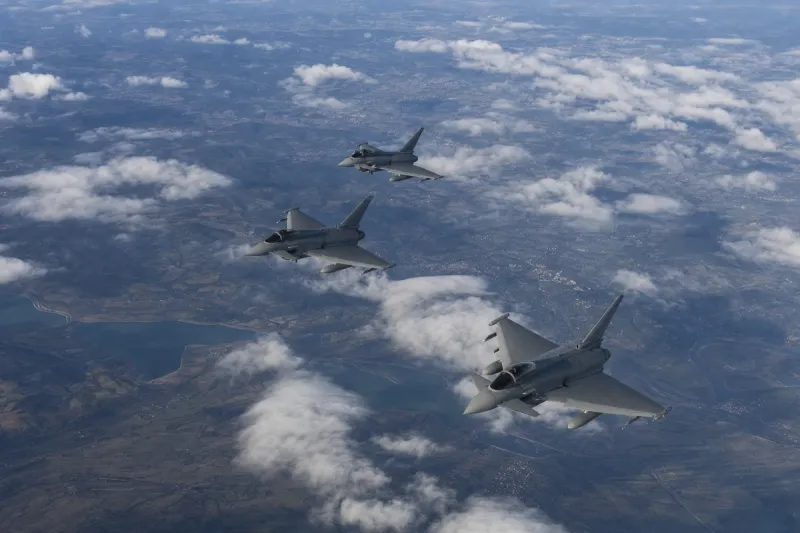
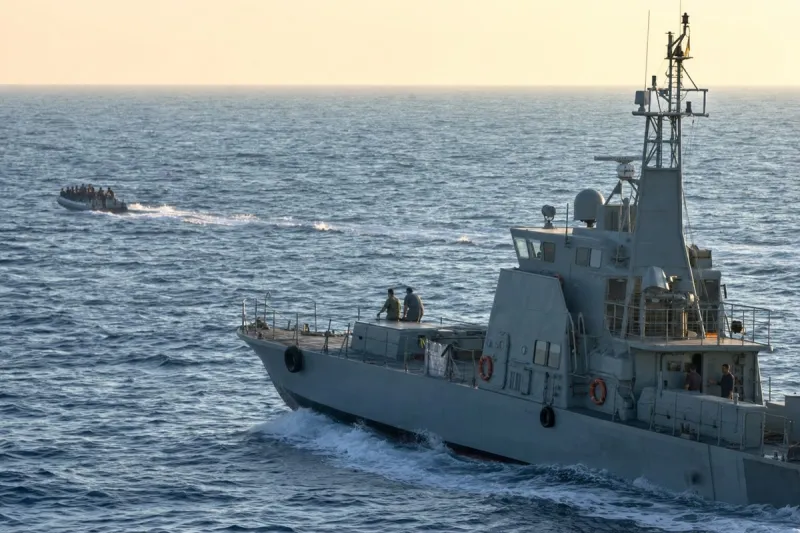
On Friday, US President Donald Trump announced a new round of what he called "limited strikes" on Iran's air defences, saying US forces destroyed an anti-aircraft device within minutes. Iranian state media reported two explosions in the Suza area of Qeshm Island in the Strait of Hormuz. The conflict began with US and Israeli attacks on Iran on February 28; Tehran retaliated against Israel and Gulf countries hosting US bases, and fighting also broke out between Israel and Hezbollah in Lebanon.
Washington and Tehran remain in contact through diplomatic channels. A senior Iranian official told Reuters that Iran sent the US a nuclear proposal via Qatar, which the US is reviewing. Iran has set seven conditions for talks, including lifting US sanctions, releasing frozen assets and paying war reparations, while Washington wants nuclear issues included in initial negotiations.
Qatar's Prime Minister Sheikh Mohammed bin Abdulrahman Al-Thani said Qatar is continuing its mediation and expressed confidence that an agreement could be reached.
Industry impact & what to watch
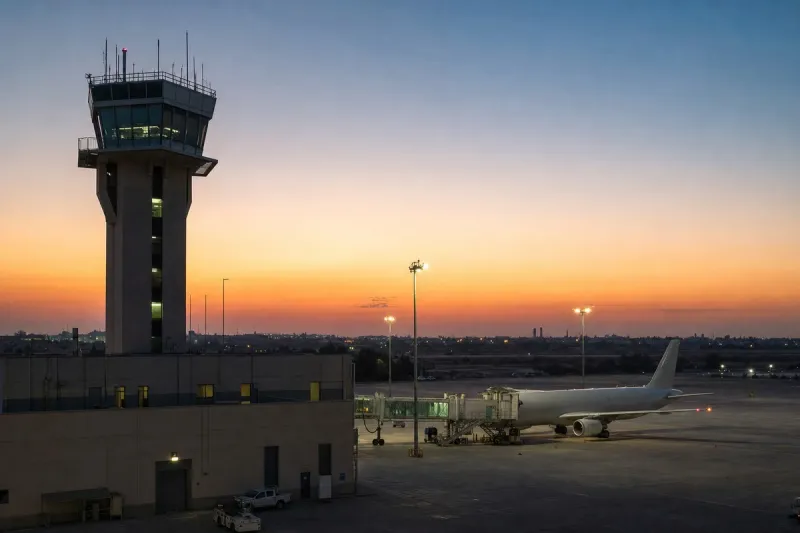
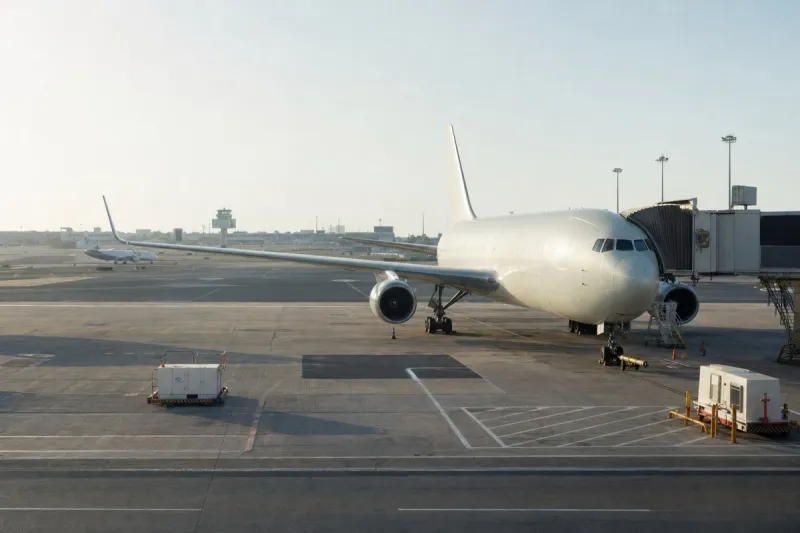
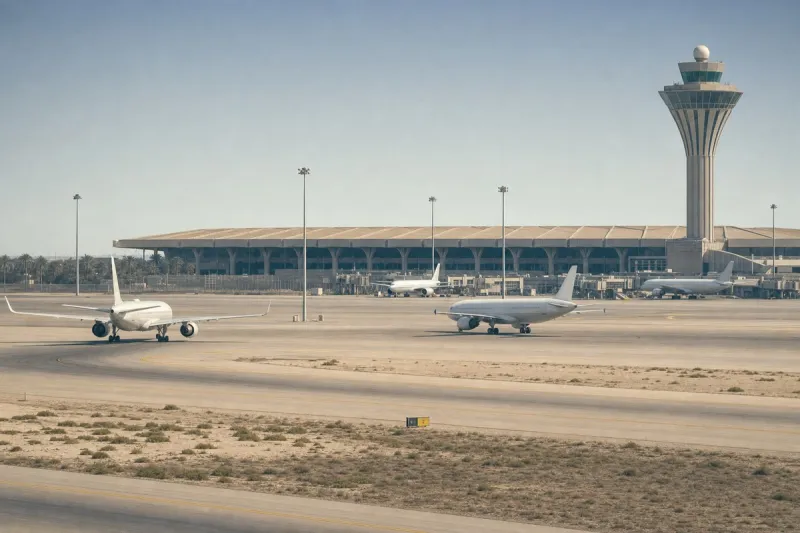
For business aviation, an advisory like this works as a planning input rather than a ban. When a government names airports and energy facilities as targets and warns of airspace closures, the exposure falls on the parts of a trip that operators cannot easily substitute: the arrival and departure airports, the overflight routing, and the ground time between them. Gulf traffic is built around short-notice demand, so a closure or cancellation tends to hit trips already in motion.
The Saudi and UAE advisories differ in tone, and that difference is useful. Saudi Arabia carries a reconsider-travel level with an ordered departure of non-emergency staff, while the UAE entry concentrates on restrictions around military bases and energy sites and on threats to public places. Operators and charter buyers assessing a Gulf itinerary have to read these country by country, because a single regional headline does not describe the risk at a given airport.
The next milestones are on the diplomatic side: the US review of the nuclear proposal Iran sent via Qatar, and whether Iran's seven conditions and Washington's demand to include nuclear issues in initial talks can be reconciled. Until one of those moves, flight-planning assumptions for the region have to allow for sudden airspace restrictions.