Charter Operator vs Broker: Who Holds Operational Control and What Brokers Must Disclose Under 14 CFR Part 295
Why It MattersCharter accountability rests on a split between certificate holders who control operations and brokers who arrange trips, so disclosure of the operating carrier and its insurance is what lets buyers locate responsibility.
What happened
Silver Air, an FAA Part 135 direct charter operator founded in 2008, published a guide on the difference between a charter operator and a broker, reviewed November 4, 2026. The guide states that the company whose Part 135 certificate an aircraft is listed on, the charter operator, holds operational control of a charter flight. FAA regulations define operational control as the authority to start, conduct and end a flight, and only the certificate holder can exercise it.

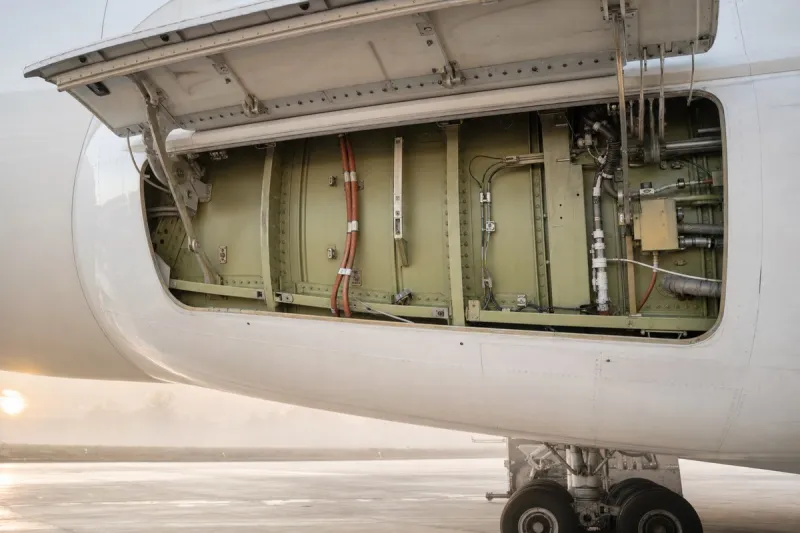
According to the guide, the operator decides whether weather, runway conditions, crew duty limits or maintenance findings allow a flight to proceed. It also hires, trains and schedules pilots within Part 135 duty and rest limits, maintains the aircraft under its approved program, and handles route, fuel, alternates, permits and risk assessment.
A broker arranges a trip but does not operate it and does not hold a Part 135 certificate. Brokers are regulated by the U.S. Department of Transportation under 14 CFR Part 295. Under 14 CFR 295.24, as published by Cornell Law School's Legal Information Institute, a broker must disclose before contracting the legal name of the operating carrier and any other name it does business under, the capacity in which it acts (as the customer's agent, as the operator's agent, or as an indirect air carrier), and whether it carries liability insurance covering the customer, passengers and property.
Some companies are hybrids: they operate their own certificated fleet and arrange flights on partner aircraft when their fleet cannot cover a trip. In that case the partner is the certificate holder and holds operational control. Direct operators price from their own aircraft, crew and costs, while broker pricing is the operator's price plus the broker's margin or fee. After a mechanical problem, an operator can often substitute another aircraft from its own fleet, whereas a broker must re-source from the market.
Verification steps the guide recommends
The guide recommends verifying the operator before paying. A customer should obtain the operator's legal name and the tail number in writing, then check both against the FAA's searchable list of certificated Part 135 operators and aircraft, which is updated weekly. Private Jet Card Comparisons counted 11,323 aircraft on the September 2025 edition of that list.
If an aircraft is missing from the list, the guide advises contacting the local Flight Standards District Office, and it also advises requesting a certificate of insurance naming the operator and aircraft. ARGUS, Wyvern and IS-BAO are described as voluntary industry programs, not FAA requirements.
On when brokers add value, the guide cites aircraft types not available nearby, multi-aircraft group moves, unfamiliar international regions and one-off trips needing compared quotes. Broker margins are rarely published, so customers should compare total prices against a direct quote. Going direct tends to suit repeat travelers wanting consistent standards and a single accountable party.
The publisher
Silver Air's managed fleet runs from the Pilatus PC-12 and Citation CJ3 to the Challenger 350, Gulfstream G550 and Global Express. The company states that it holds Wyvern Wingman PRO certification and IS-BAO registration. For trips needing aircraft outside its fleet, it says it works only with operators meeting Wyvern and IS-BAO standards, and in those cases the partner is the certificate holder.
Industry impact & what to watch
The guide describes a market in which one party holds the legal authority over a flight and another sells it. That split is the structural fact behind charter safety and accountability in the United States: the certificate holder answers for dispatch decisions, crew limits and maintenance, while a broker's obligations are mainly about what it tells the customer beforehand. The Part 295 disclosure items, operating carrier, acting capacity and insurance, are what let a buyer identify who that certificate holder is.
Hybrid operators sit across that line, and the guide's own treatment shows how the labels blur. A company can be the operator on one trip and an arranger on the next, so the question of who holds operational control has to be answered trip by trip rather than company by company. Pricing and recovery after a mechanical problem follow the same logic, because an operator substitutes from its own fleet while a broker re-sources from the market.
The guide comes from a direct operator, so its comparison of the two models carries that publisher's vantage point. The checks it lists, a written operator name and tail number, a match against the weekly FAA list and a certificate of insurance, are the verifiable steps that do not depend on either side's claims.