Fighter Jets Escort Passenger Flights in Hungary and Italy After Bomb Warnings Across Europe on 2–3 November; No Explosives Found
Why It MattersHandling of a bomb warning is a layered process in which air traffic services, operators and national authorities coordinate, with military escort offering identification and surveillance rather than signalling a hostile aircraft.
What happened
A series of bomb warnings affecting passenger flights between Britain, Poland, Italy, Spain, Hungary and Bulgaria was reported between 2 and 3 November. They prompted diversions, additional security procedures, temporary airport disruptions and military fighter escorts in Hungary and Italy. Authorities reported that no explosives were found on any of the aircraft involved, and the incidents ended without casualties.
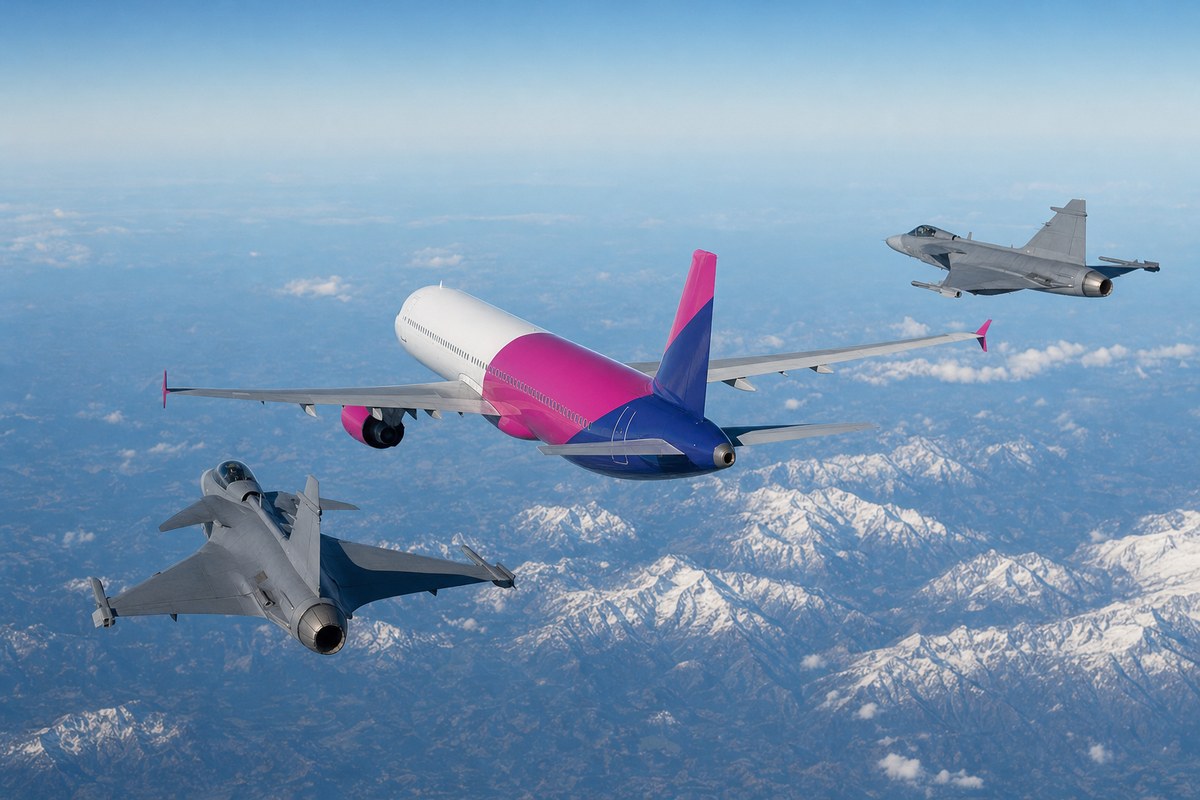
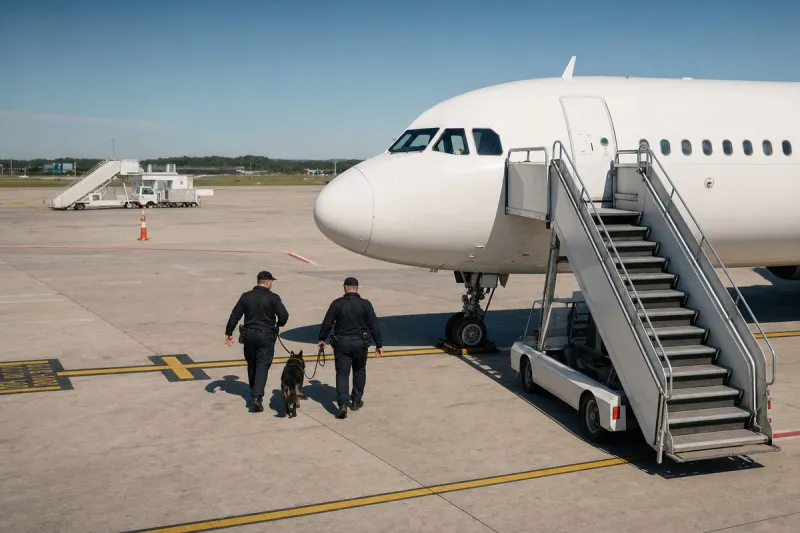
On Monday, 2 November, a Wizz Air flight from London Luton to Sofia was diverted to Budapest after a bomb warning. The Hungarian Defence Forces launched Gripen fighters to escort it to Budapest's Ferenc Liszt International Airport, where it landed safely and underwent security checks. No explosive device was discovered.
On Tuesday, Italian Eurofighter aircraft escorted a Ryanair service from Dublin to Rome, and Italian security authorities inspected it at Fiumicino Airport. A Ryanair flight from Lisbon to Rome was also subjected to security checks after a warning.
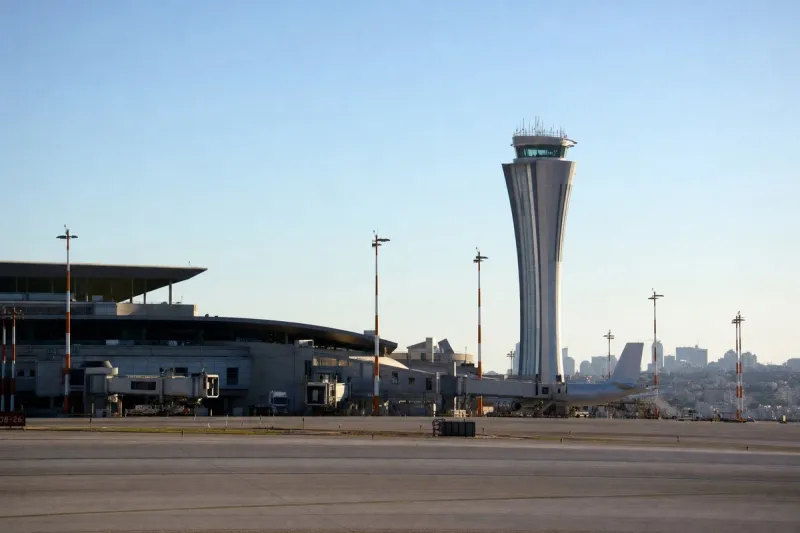
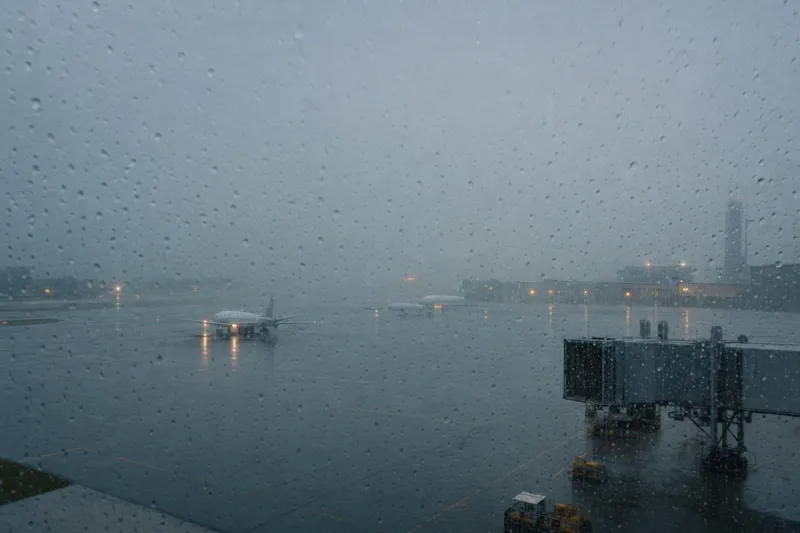
In Poland, a LOT Polish Airlines Boeing 737 MAX flying from London Heathrow to Warsaw was diverted to Warsaw-Modlin Airport after a reported bomb threat. The airport temporarily suspended operations while passengers were evacuated and the aircraft was inspected. A Scandinavian Airlines flight from Copenhagen landed normally at Warsaw Chopin Airport but underwent additional security procedures, and one runway was temporarily closed. In Spain, airport operator Aena activated emergency measures after a warning concerning a Ryanair flight from Manchester to Murcia; the aircraft landed safely.
Investigators were still attempting to determine the origins of the threats and have not publicly established responsibility. There is no confirmed evidence linking the warnings to Russia, another foreign intelligence service or a terrorist organisation, and it has not been established whether the threats were coordinated.
Industry impact & what to watch
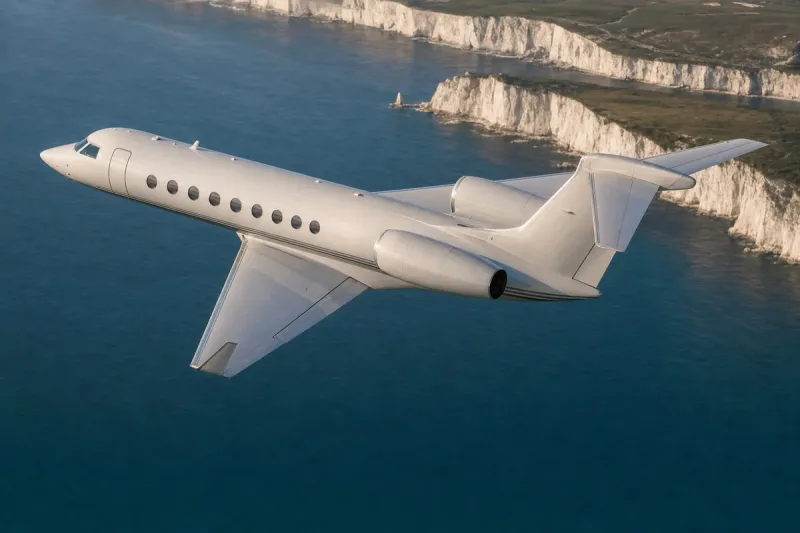
A fighter alongside an airliner does not mean the aircraft is treated as hostile. Escorts can provide visual identification and surveillance while civilian controllers arrange the arrival. Under European Union Aviation Safety Agency rules, air traffic services receiving information about a possible bomb threat must coordinate with the aircraft operator, flight crew and national authorities.
NATO describes its air defence as a system that continuously monitors air traffic over Europe, and its air-defence forces can also support civilian aircraft in distress. For airlines and airports, that means a single warning can trigger several parties at once: civil air traffic control, the operator, national security services and, where launched, military aircraft. The visible effects here were diversions, a temporary suspension of operations at Warsaw-Modlin and a runway closure at Warsaw Chopin.
The open question is attribution. Investigators have not established who sent the warnings or whether they were coordinated, and the next milestone is a public statement from the investigating authorities on their origin.