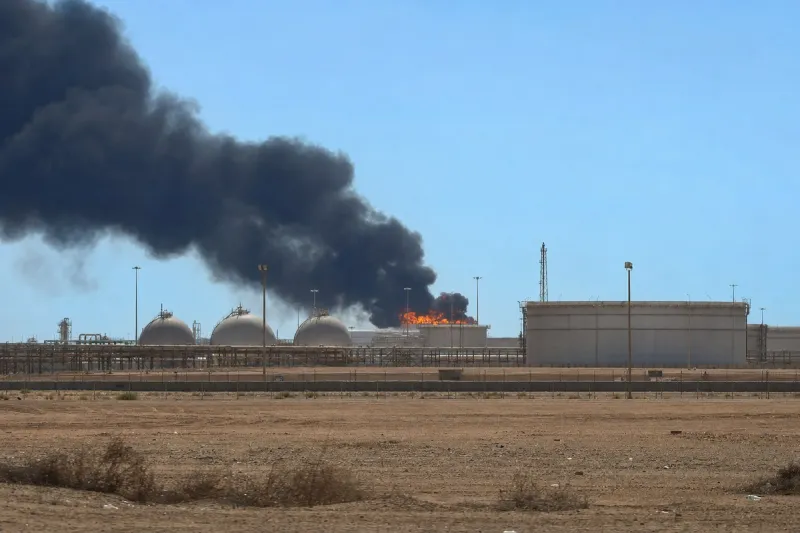
Bad weather closes three Nepal airports; Thai Airways and Air India flights diverted to Kolkata and Lucknow
Why It MattersNepal's reliance on visual-flight-rules operations, with a single instrument-equipped backup airport lacking regular international service, shows how quickly weather can leave the national network without dependable alternates for diverted traffic.
What happened
Three airports in Nepal — Bharatpur, Surkhet and Bhairahawa (Gautam Buddha) — remained closed on the morning of Sunday, November 1, because of bad weather, while Tribhuvan International Airport in Kathmandu was operating with reduced visibility, the airport said. At 09:00 local time the three aerodromes were still not operating because weather along their routes did not allow takeoffs or landings.
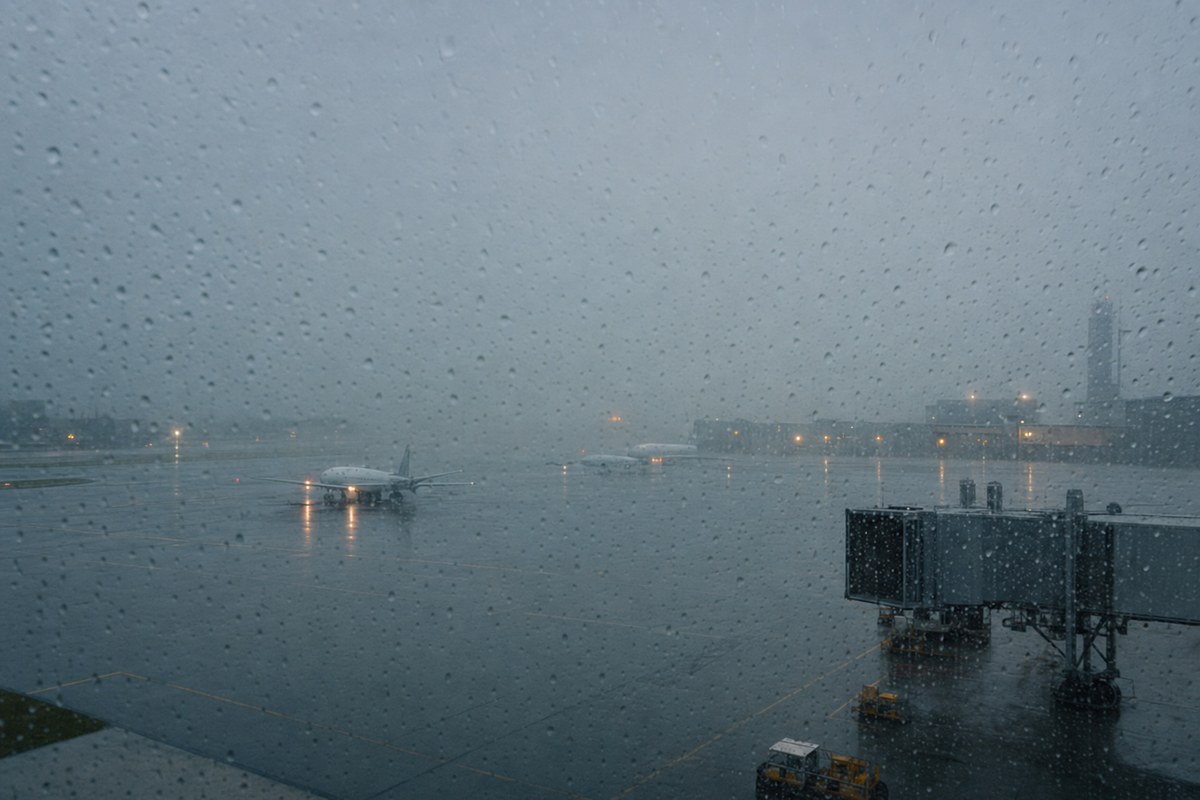
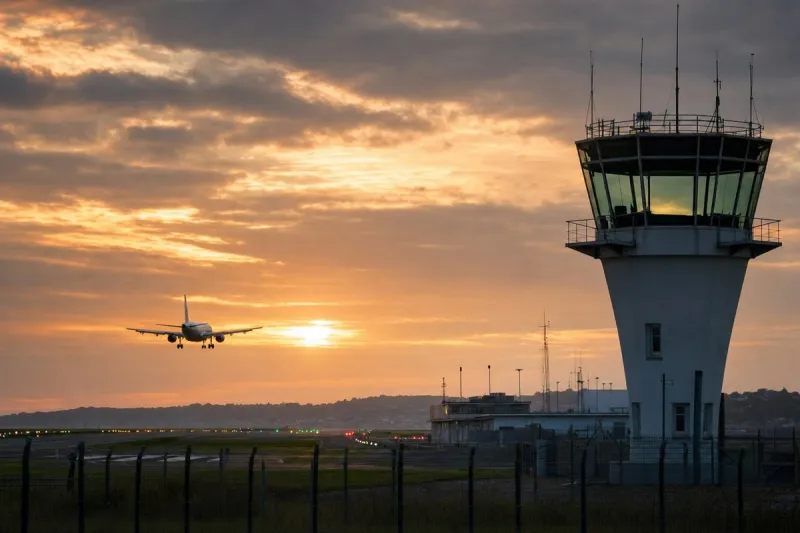
The previous night, two international flights bound for Kathmandu were diverted to India. A Thai Airways service from Bangkok, due to land at 11:25 pm, was diverted to Kolkata and had not returned to Nepal by the following morning. An Air India flight from Delhi, scheduled to arrive at 12:25 am, was diverted to Lucknow and had not come back either.
In Kathmandu, visibility fell to 3,000 metres from 4,000 metres previously, according to airport spokesman Sanjay Kumar. Operations are being sustained under instrument flight rules (IFR). Lukla, the gateway to Everest, reopened on Sunday after two days closed by the same weather pattern; it operates only under visual flight rules.
The operator did not report a reopening time for the three closed airports or how many domestic flights were affected.
How Nepal's airports are set up
Nepal's civil aviation authority (CAAN) requires clear conditions along the entire route and at the destination. Most of the network is flown under visual flight rules (VFR): with a cloud ceiling below 1,500 feet or visibility under 5 kilometres, operations stop. Of the country's 33 operational airports, 23 work under VFR.
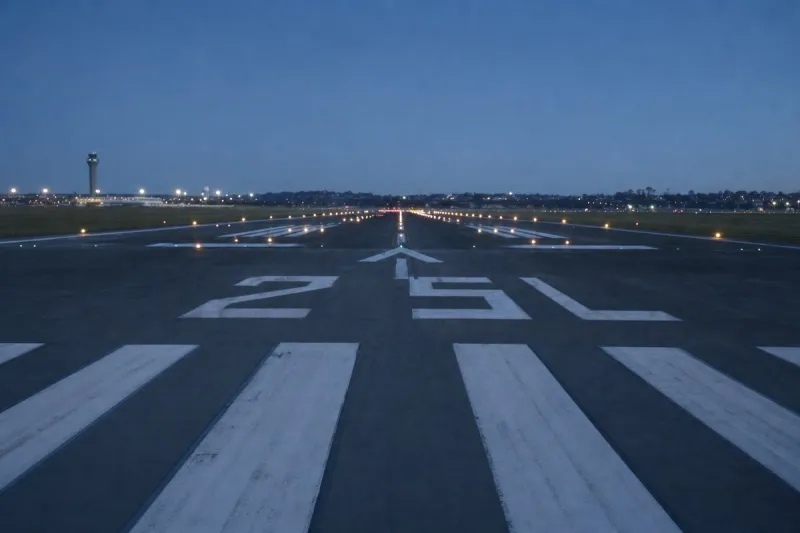
Tribhuvan has a single 3,050-metre runway, 02/20, at 1,338 metres above sea level in a valley surrounded by mountains, and no instrument landing system (ILS) on that runway; arrivals rely on VOR/DME radio aids and RNAV procedures. Between mid-November and March, winter haze lowers visibility when traffic is heaviest. Tribhuvan handled close to 7.8 million passengers and more than 112,000 flights in the first eleven months of 2025.
Gautam Buddha as Kathmandu's backup
Gautam Buddha airport, inaugurated in May 2022, has a 3,000-metre runway with ILS and was conceived as Kathmandu's international backup, about 280 kilometres away by road. It currently has no regular international flights; the last was operated by Thai AirAsia on March 24.
Since opening it has handled 69,377 international passengers on 1,222 flights. In 2024, when construction at Tribhuvan cut operating hours, carriers including flydubai, Jazeera Airways, Nepal Airlines, Qatar Airways and Thai AirAsia moved operations there.
All airlines certified in Nepal have been banned from flying to the European Union since December 2013, although ICAO withdrew in July 2017 the "significant safety concerns" it had identified in 2013.
Industry impact & what to watch
The episode shows how Nepal's network behaves when weather turns: with 23 of 33 operational airports flown under visual rules, a low ceiling or reduced visibility stops flying outright instead of slowing it. Three closures and two diversions to India in one night are what that structure looks like in practice.
For international carriers serving Kathmandu, the alternate is the practical question. Tribhuvan has no ILS on its single runway, and the one airport built with ILS as an international backup, Gautam Buddha, currently has no regular international flights, so diverted aircraft land in Kolkata or Lucknow instead. The 2024 precedent, when several carriers shifted operations there during construction at Tribhuvan, shows the backup can be used when the schedule is planned around it.
The seasonal window matters for planning: winter haze lowers visibility between mid-November and March, when traffic is heaviest. The next marker is whether the three closed airports reopen once the weather pattern clears, since no reopening time was given.