Howmet Aerospace Raises Annual Forecasts After Record First-Quarter Growth in Aerospace and Gas Turbines
Why It MattersStrong supplier results show aerospace and gas turbine demand holding up at the component level, while fuel-cost pressure from the Iran war works through airline finances more slowly than through order books.
What happened
Howmet Aerospace reported first-quarter profit and revenue above Wall Street estimates and significantly raised its annual forecast. The U.S. maker of aircraft parts such as castings and fasteners attributed the results to strong growth in its aerospace and gas turbine businesses.
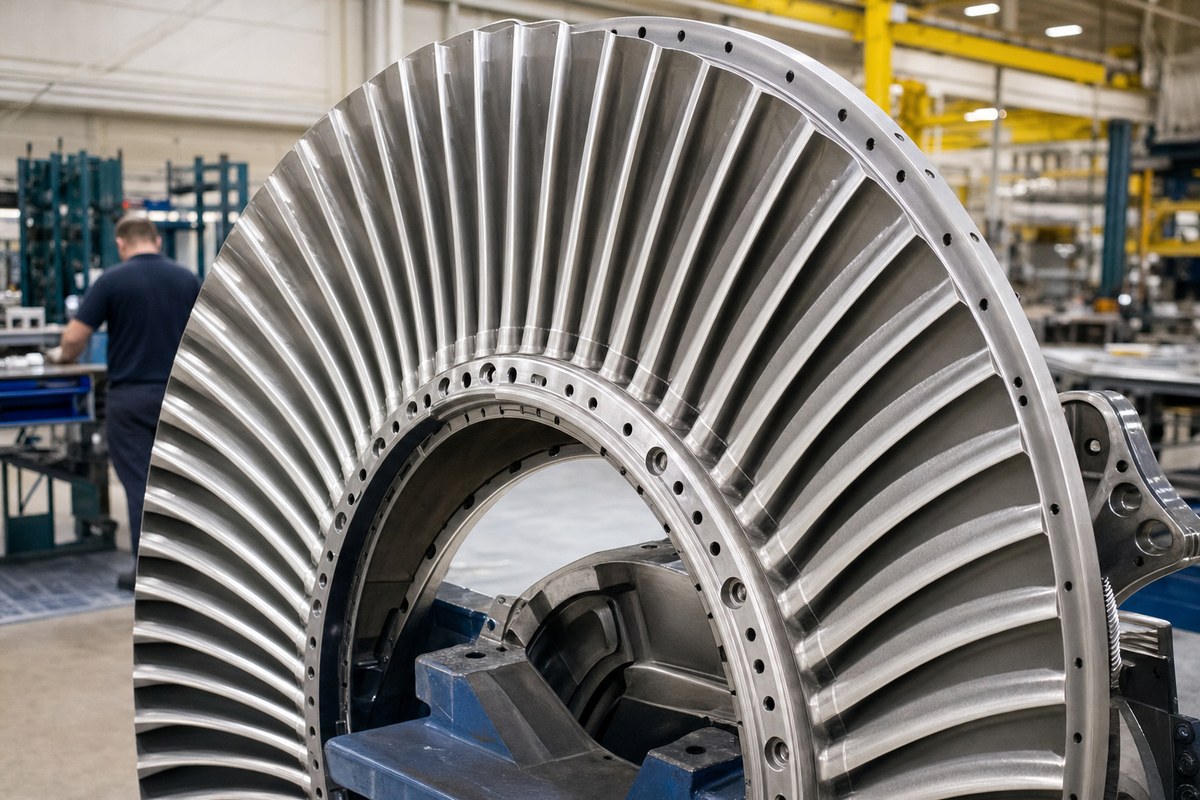
Revenue grew 29% year over year and 25% organically, which the company described as the strongest quarterly growth rate on record for Howmet. Gas turbines revenue rose 45% year over year.
The company also cautioned that uncertainty from the Iran war, which has disrupted transport and driven up fuel costs, has weakened some carriers' balance sheets.
Industry impact & what to watch
A raised full-year forecast from a castings and fasteners supplier is a read on build-rate confidence further up the chain. Parts makers sit upstream of engine and airframe deliveries, so a company lifting guidance after a record growth quarter is describing demand that has already translated into orders and shipments. The 45% rise in gas turbines revenue shows that the business is not tied to commercial aircraft alone.
The company's own warning points to where the pressure sits. Higher fuel costs and disrupted transport weigh on carriers' finances, and weaker airline balance sheets are the channel through which a conflict-driven cost shock could eventually slow aircraft and parts demand. For now the supplier's results and the airlines' condition are moving in opposite directions, and that gap is the thing the segment has to watch.
The next dated markers are subsequent quarterly reports from Howmet and its customers. Whether growth holds near these levels, and whether the company repeats its caution about carrier finances, will show if the fuel-cost strain starts to reach order volumes.