Houthi Strikes on Saudi Airports and Forecast Record El Nino Narrow Charter Planning Margins in Gulf and Asia
Why It MattersLayered conflict and weather risk shifts charter planning from route selection to buffer management, with fuel, crew duty and war-risk cover priced into every Gulf and Asia sector.
What happened
Private and charter aviation planning at the end of October faces two converging pressures: a Middle East conflict that is being re-escalated and a Pacific warming event that forecasters describe as beyond the range of their own monitoring charts. Neither closes the main business-aviation corridors outright, but together they reduce the margin for error on Europe-Gulf, Europe-Asia and intra-Asia sectors.
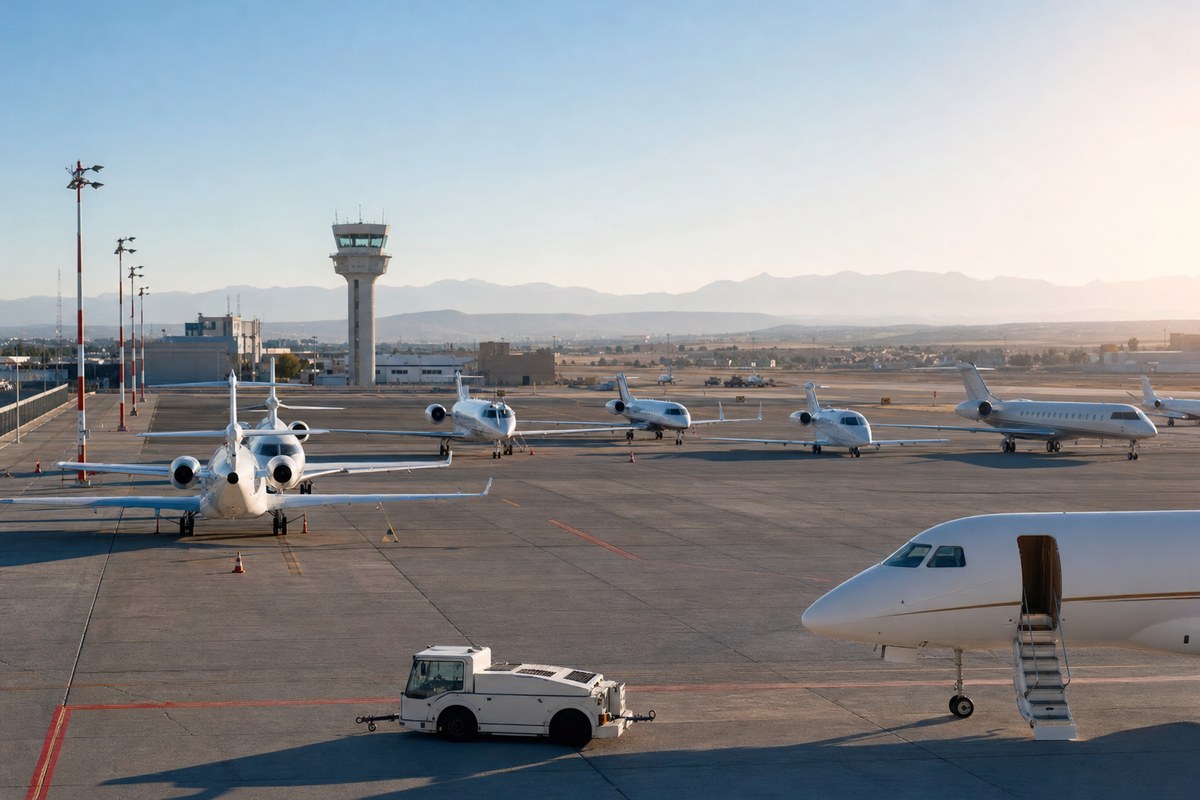
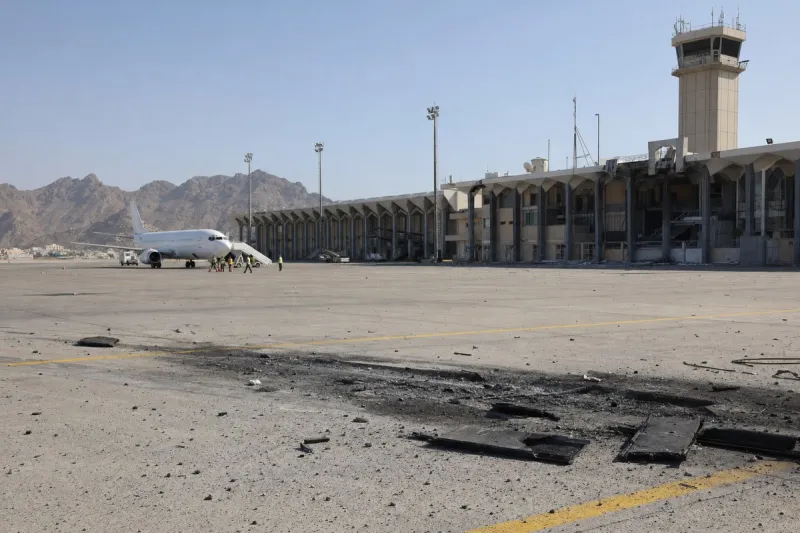
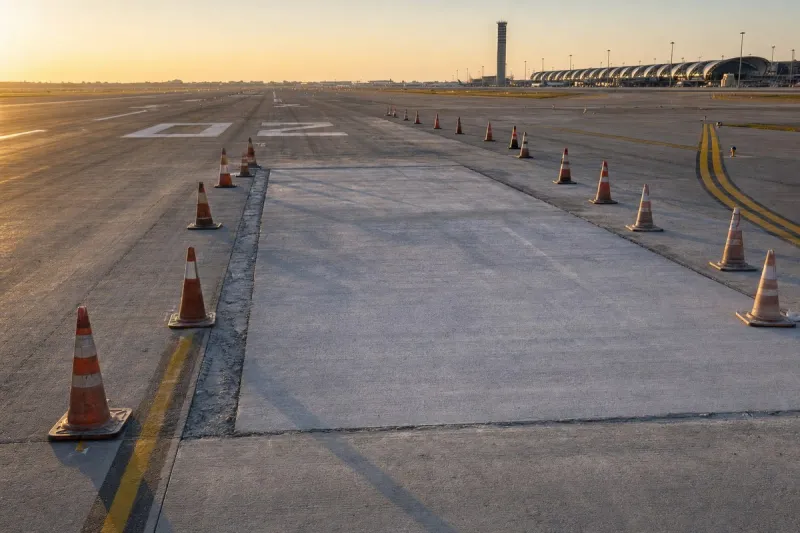
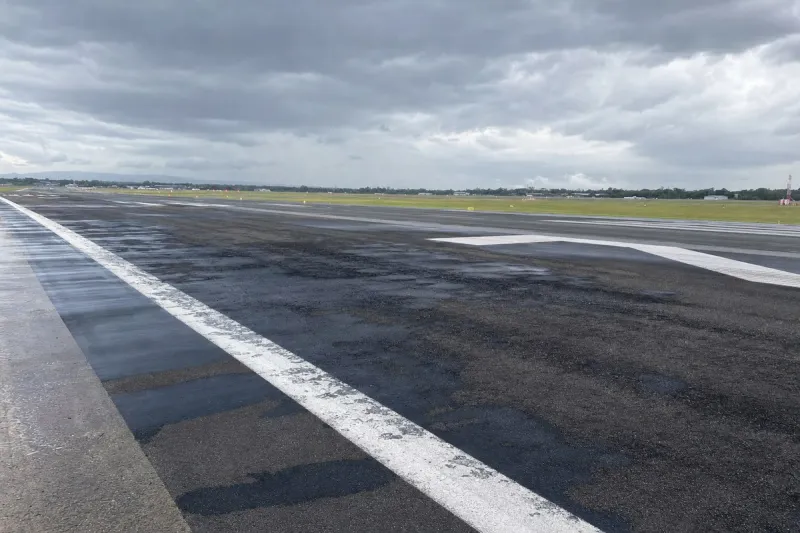
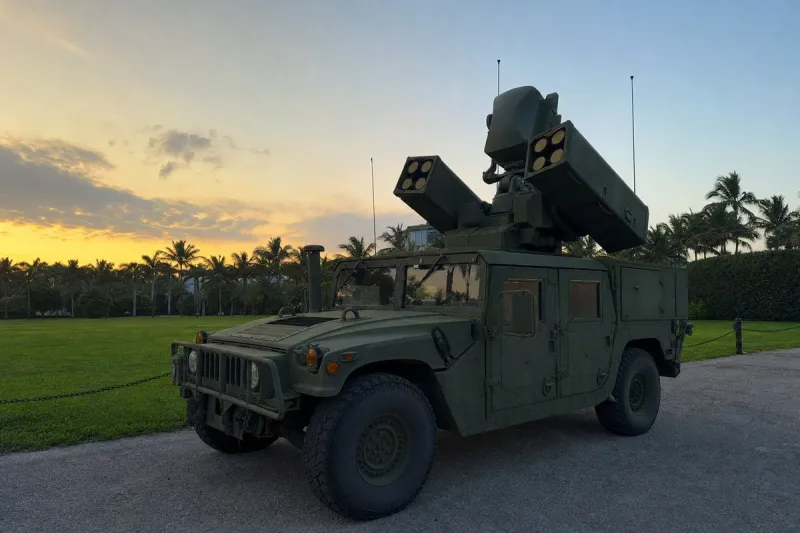
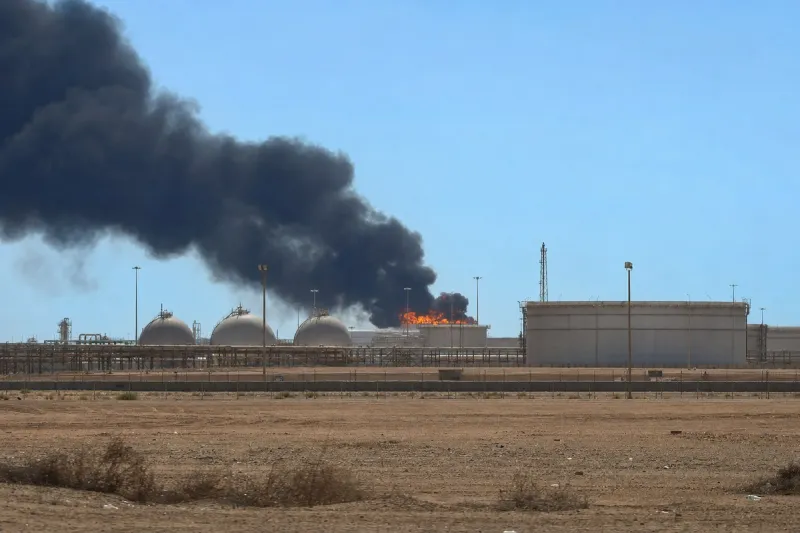
Houthi strikes on Saudi airports over the past month have upended one of the few remaining usable routings between Europe and Asia, according to tracking data cited in reporting on how airlines navigate conflict zones, affecting carriers including British Airways and FedEx. Riyadh's King Khalid International reopened on October 18 with limited capacity. On October 20 a Saudi-led coalition intercepted a Houthi ballistic missile fired toward Riyadh, with debris falling in unpopulated areas and no immediate casualties or significant damage. On October 27 the coalition said it had intercepted further launches.
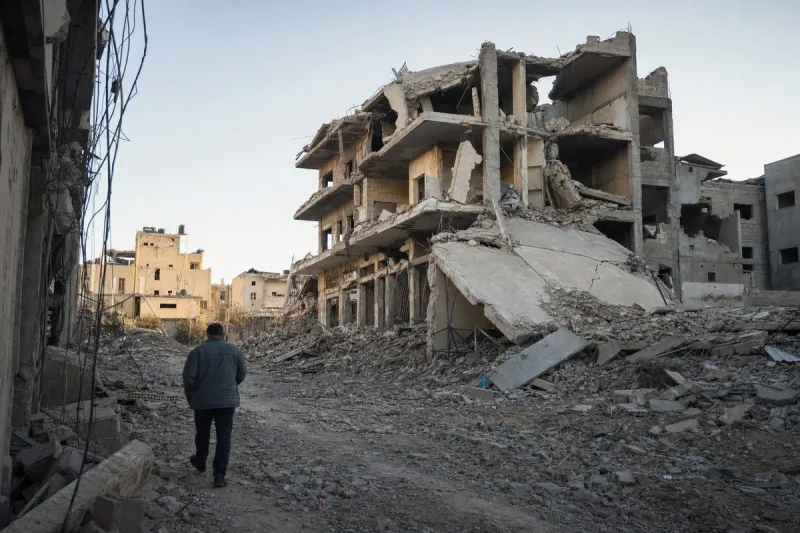
The United States has told several Gulf Arab states to prepare for a short, intense military campaign after the U.S. midterm elections, according to people briefed on the conversations, amid indications that Washington and Israel are readying a new round of heavy operations against Iran. The war that began in February has already reignited the Yemen conflict. Senior Saudi, Turkish and Pakistani officials met Iranian counterparts in Tehran, and a Qatar Amiri Flight Airbus landed in Tehran on October 25, with some outlets linking the arrival to a Qatari mediation delegation.
Industry notices compiled in March 2026 pointed to full or partial airspace closures over Iran, Israel, Qatar, Bahrain, Kuwait, Iraq, Syria and the United Arab Emirates, with significant disruption also reported in Saudi Arabia, Oman, Jordan, Lebanon and Egypt. UK Civil Aviation Authority guidance issued earlier in 2026 flagged disruption on routes linking the UK with the Middle East and Cyprus. The UK Foreign, Commonwealth and Development Office continues to warn of possible flight cancellations and temporary airspace closures in Qatar and the UAE, which host the final two Formula One rounds of the 2026 season.
The World Bank expects global commodity prices to rise 23 percent in 2026, citing higher energy prices and cargo-shipping disruption during the Middle East war alongside Black Sea grain problems. Global oil supply is forecast to fall 5.2 percent in 2026, the steepest drop in four decades outside the 2020 recession.
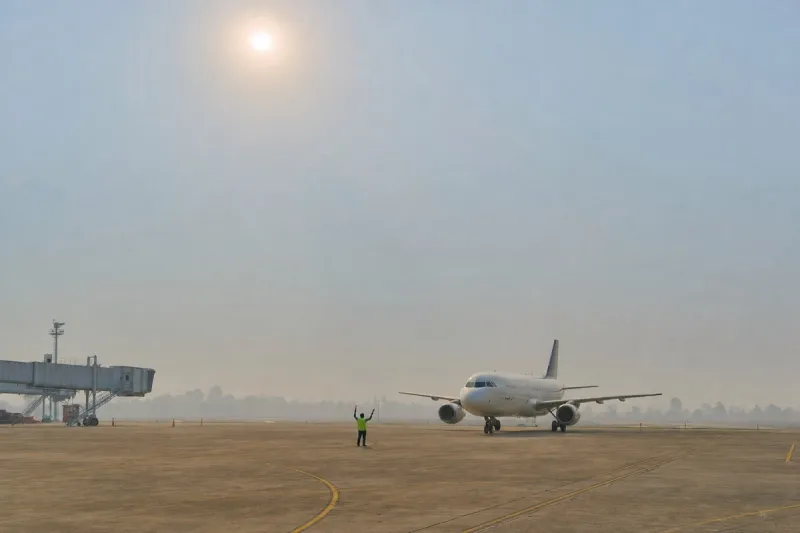
The World Meteorological Organization's October 21 seasonal update forecasts the Nino 3.4 sea-surface temperature anomaly reaching about 3.8C above average from November 2026 to January 2027, peaking around December, with near-certain persistence of El Nino conditions through February 2027. Above-normal temperatures are expected over southern Europe, Africa, the Arabian peninsula, the Indian subcontinent and eastern Asia, with above-normal rainfall over the Arabian peninsula, central and east Asia, coastal Southeast Asia and North America. Cyclone Arnab struck India's east coast. Vietnam is moving to finalise a UAV legal framework and publish a national digital map of no-fly and restricted airspace.
How it unfolded
Forecast peak of the El Nino event; late-season North Indian Ocean cyclone window runs to this month.
EASA Persian Gulf bulletin expires.
Coalition says it intercepted further Houthi launches.
A Qatar Amiri Flight Airbus lands in Tehran.
WMO seasonal update forecasts Nino 3.4 anomaly of about 3.8C above average.
Saudi-led coalition intercepts a Houthi ballistic missile fired toward Riyadh; debris falls in unpopulated areas.
King Khalid International in Riyadh reopens with limited capacity.
Industry impact & what to watch
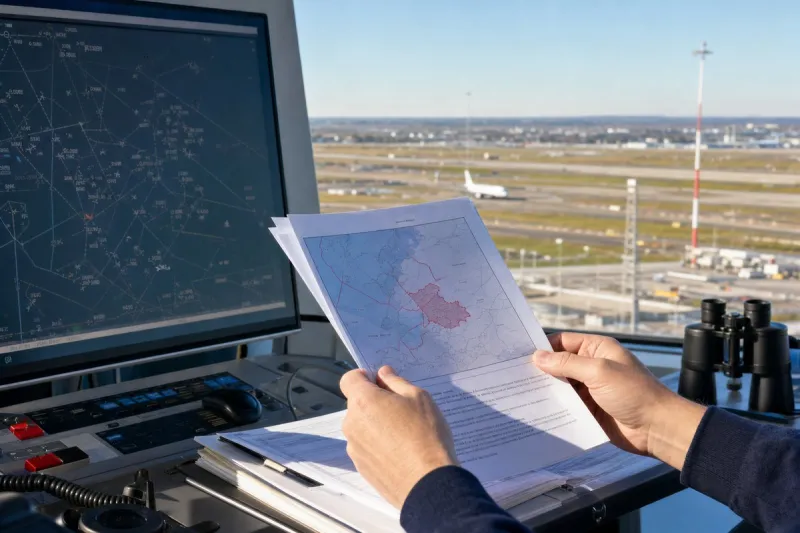
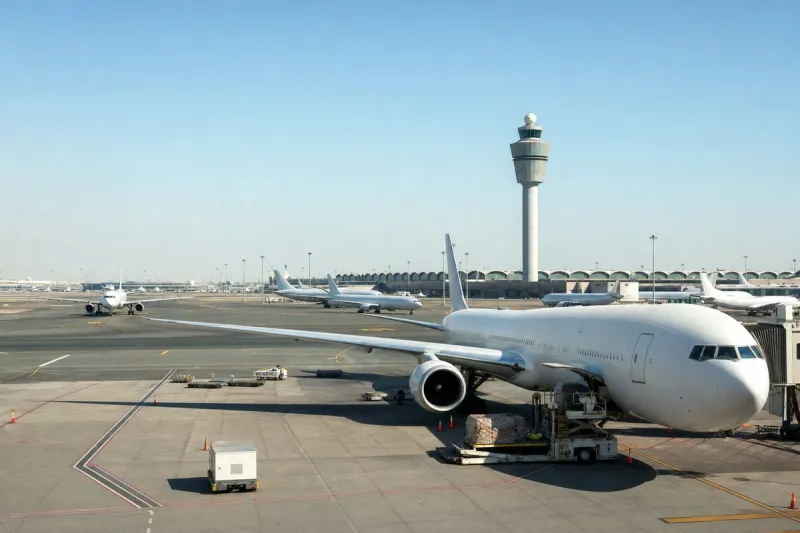
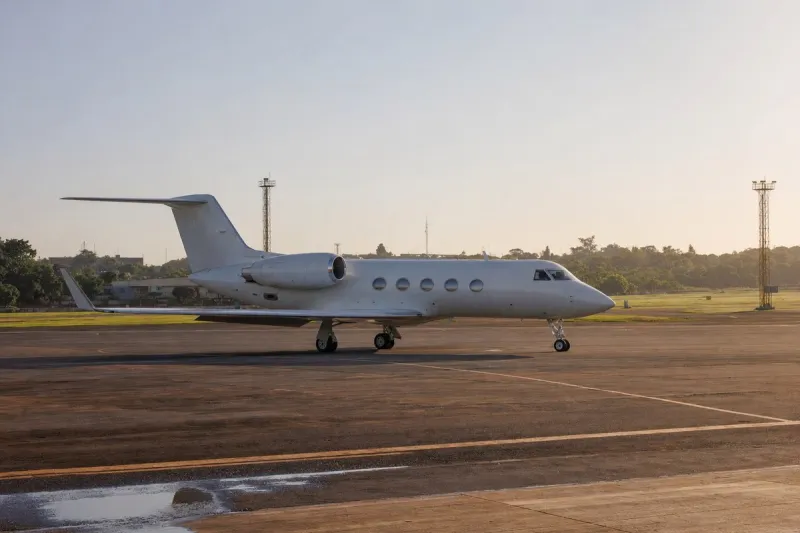
Conflict-zone bulletins are risk-assessment instruments rather than prohibitions, and in business aviation that distinction decides who bears the cost. A bulletin does not ground a flight; it obliges the operator to document a risk assessment, notify the insurer and brief the passengers. With Arabian-peninsula routings degraded, Europe-Asia sectors flown by mid-size types pick up fuel stops they did not previously need, and every extra stop eats into crew duty margins. Alternate selection becomes a dynamic task, because an aerodrome usable at dispatch can be capacity-limited or unavailable on arrival, as Riyadh's limited reopening shows.
The cost side compounds this. Energy and shipping disruption feeds into fuel pricing, and charter desks can expect upward pressure on fuel surcharges and harder negotiations on war-risk cover for Middle East sectors. A forecast El Nino adds a second, slower layer: heat and heavy rainfall across the Arabian peninsula and Asia affect performance planning and diversion weather rather than airspace access, so the two risks stack instead of substituting for each other.
The next dated markers are the U.S. midterms and whether the warned-of campaign against Iran materialises, the November 16 expiry of the EASA Persian Gulf bulletin, and the pace of Riyadh's return to full capacity. The cadence of Houthi launches and the December El Nino peak will indicate how long the thinner margins last.