Azimuth Sukhoi Superjet 100 Squawks 7700 and Returns to Yerevan After Reported Technical Malfunction
Why It MattersThe return adds to a run of Superjet 100 events at one Russian operator and keeps attention on how sanctions-limited parts supply bears on the type's fleet reliability.
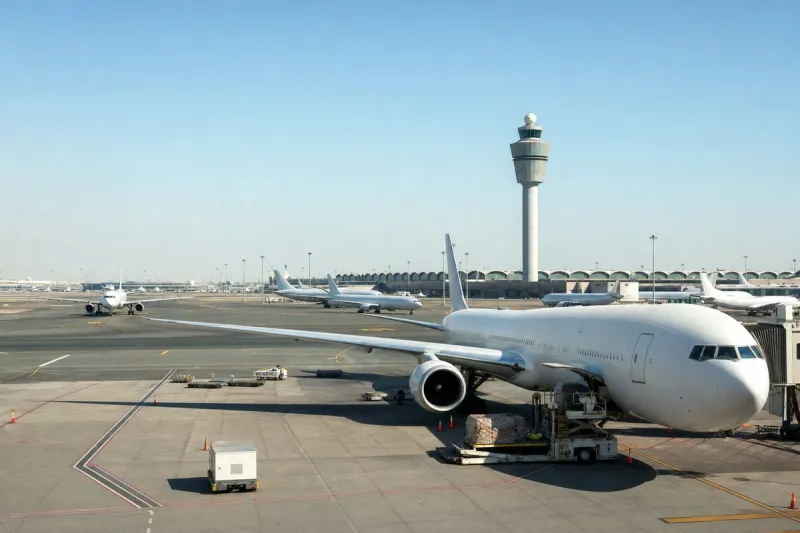
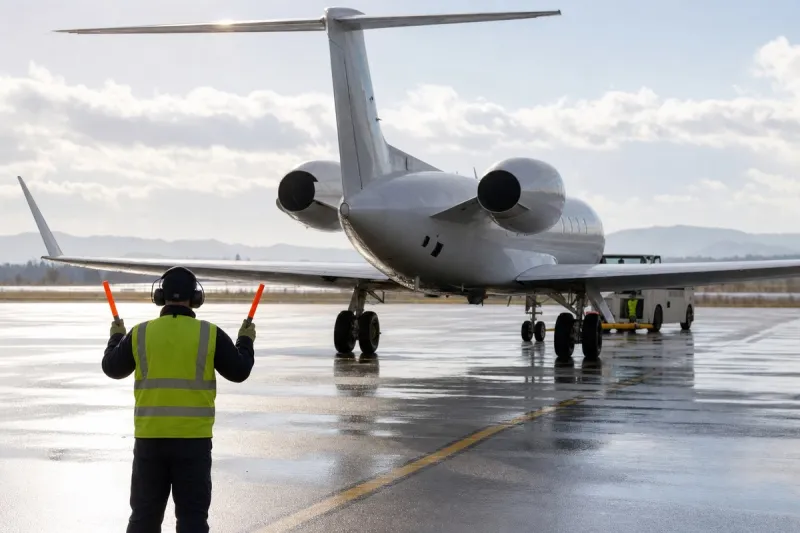
A passenger Sukhoi Superjet 100 operated by the Russian airline Azimuth returned to Zvartnots International Airport (EVN) in Yerevan, Armenia, after declaring an emergency shortly after takeoff. The crew entered squawk code 7700, the international transponder code signalling a general emergency to air traffic control, about 20 minutes after departure. The Russian Telegram channel SHOT said a technical malfunction prompted the emergency code and placed the jet near Tsilkar, a small village about 31 miles (50 km) north of Yerevan. The cause has not been confirmed, and it is unclear which of Azimuth's 19 Superjet 100s was involved. The aircraft is more than eight years old, and six of the airline's jets are aged between eight and nine years: RA-89093 (Neva), RA-89096 (Moskva), RA-89094 (Kuban), RA-89095 (Irtysh), RA-89120 (Oka) and RA-89121 (Ob).
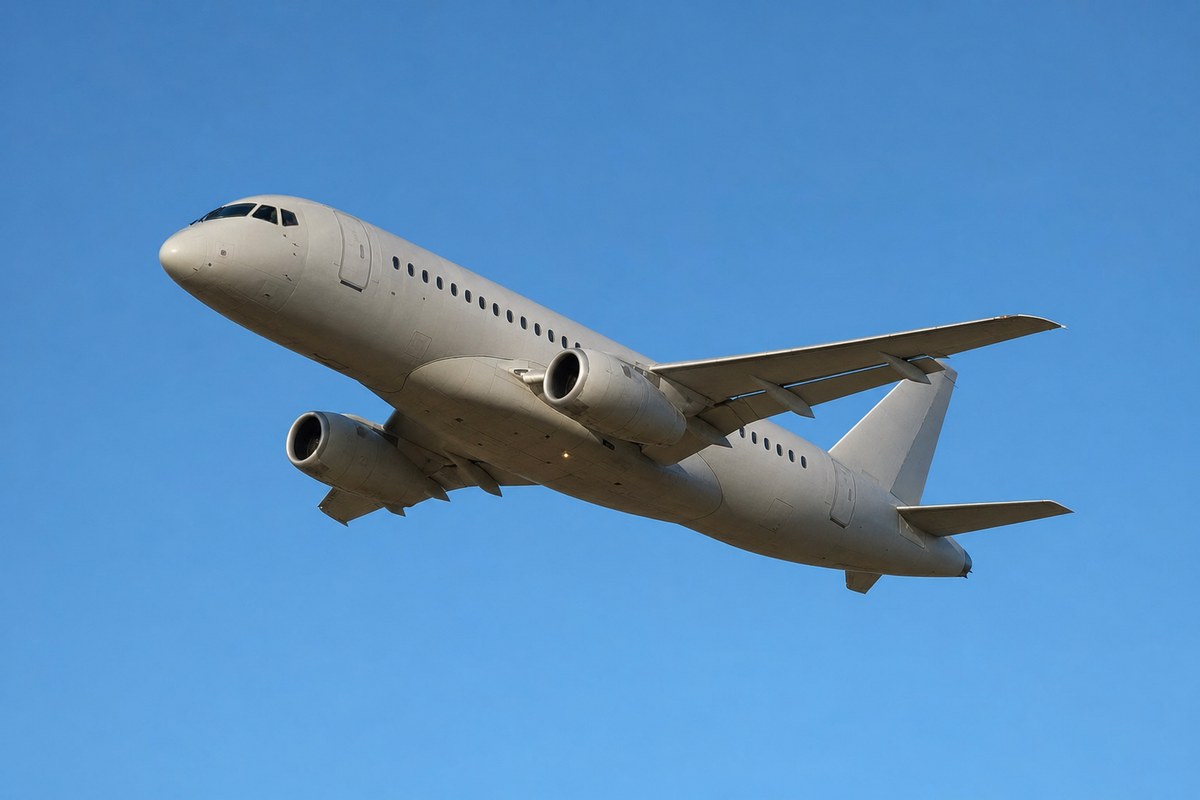
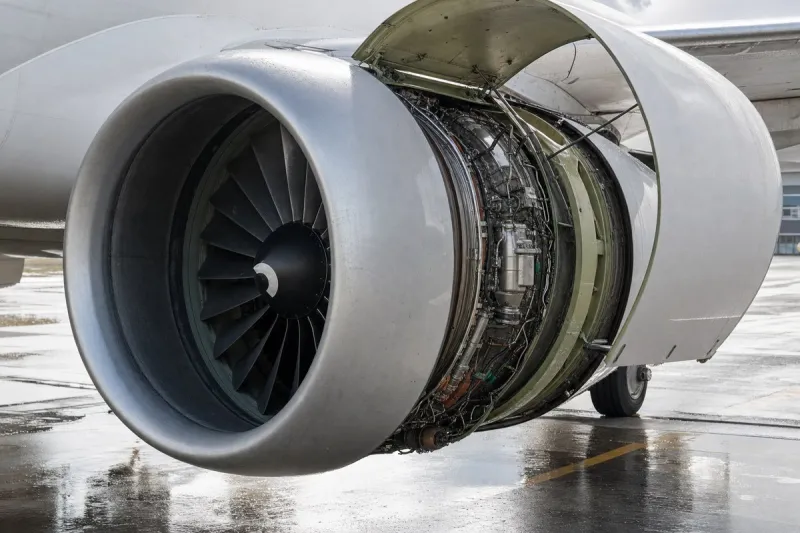
Azimuth has been involved in several earlier incidents. On November 24, 2024, the engine of a Superjet 100 caught fire after landing at Antalya Airport (AYT) in Turkey on a flight from Sochi carrying 89 passengers and six crew; all evacuated via the emergency slides, but the aircraft was substantially damaged. Azimuth said the jet encountered substantial wind shear on landing. In another incident, an Azimuth Superjet 100 lost a fan cowl on a flight to Yerevan after takeoff from Mineralnye Vody Airport (MRV), and airport staff later recovered the parts from the airfield.
Western sanctions on Russian aviation following the war in Ukraine bar the sale of overseas parts to the industry, forcing airlines to rely on domestically produced components. The Superjet 100 uses some parts of Western origin, and in 2023 United Aircraft Corporation (UAC) fitted old engines to new Superjet 100s awaiting powerplants. Geostrata data indicates safety incidents have tripled since sanctions began, though a link between sanctions and safety does not appear in official reporting.