FAA Issues Final Airworthiness Directive Requiring Rescue Hoist Cable Drum Inspections on Airbus Helicopters Deutschland Helicopters
Why It MattersThe directive shows how an isolated component-batch defect found by a manufacturer becomes a fleet-wide inspection obligation for every helicopter carrying the affected hoist, with rescue operators bearing the recurring inspection workload.
What happened
The U.S. Federal Aviation Administration has issued a final-rule airworthiness directive, document 2026-21855 (91 FR 67457), covering Airbus Helicopters Deutschland GmbH helicopters. The directive was prompted by reports of cracks on the cable drum of the rescue hoist assembly.
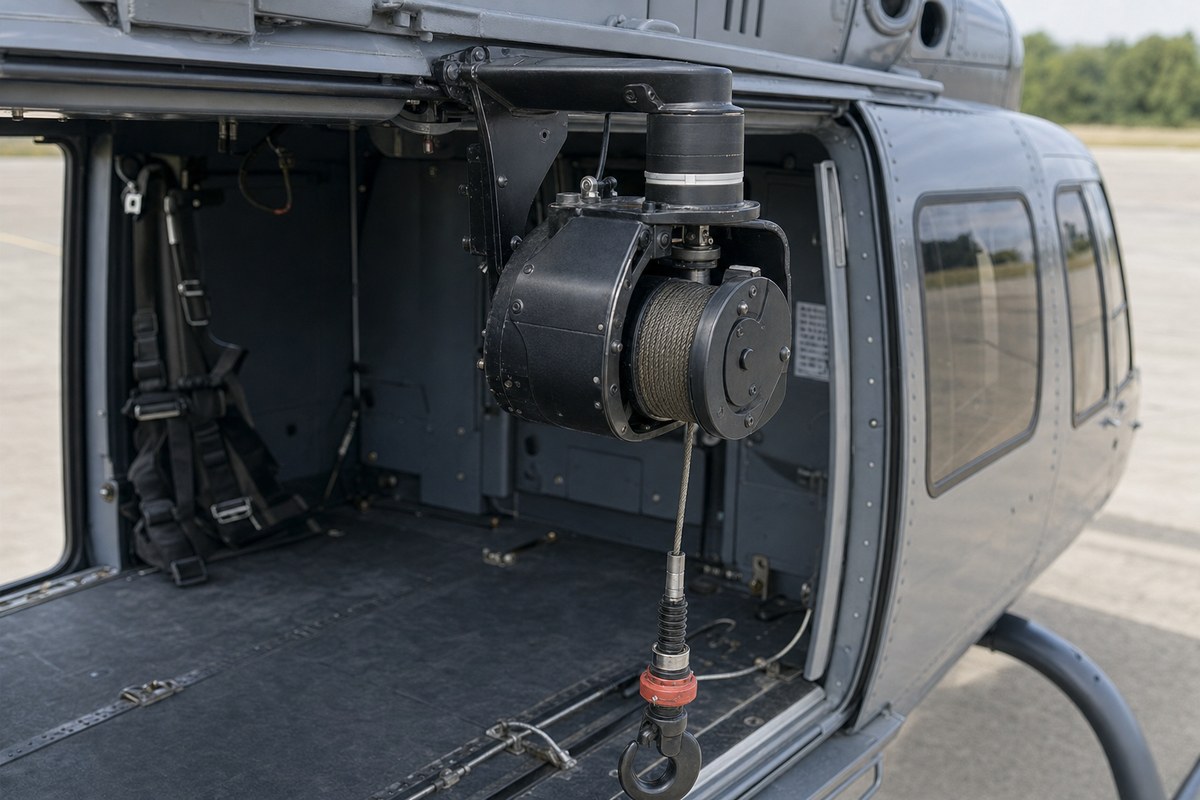
It requires repetitive inspections of the cable drum of certain rescue hoist assemblies for cracks and, depending on the results, replacement or repair of the cable drum. It also prohibits the operation and installation of an affected rescue hoist assembly on a helicopter unless certain requirements are met.
The proposed rule was published in the Federal Register on February 13, 2026 (91 FR 6795). It stemmed from a mandatory continuing airworthiness information item, EASA AD 2025-0055, dated March 11, 2025, issued by the European Union Aviation Safety Agency. That item states cracks were reported on a cable drum installed on certain part-numbered Goodrich rescue hoist assemblies. Goodrich determined the occurrence was isolated to a batch of cable drums made from a plate material found to have increased susceptibility to corrosion-induced fatigue.
The FAA received comments from three commenters: Airbus Helicopters Deutschland, Onboard Systems Hoist and Winch, and an individual commenter. In response to the individual commenter, the FAA declined to limit the directive by serial number, part number or manufacturing batch, saying that information is already incorporated by reference and that all identified part numbers present an equivalent level of risk. The FAA also declined to change the inspection method, noting that EASA, as the State of Design authority, determined the inspection methodology and criteria.
The Director of the Federal Register approved the incorporation by reference of a publication listed in the directive as of December 1, 2026. The directive docket is FAA-2026-1326.
Industry impact & what to watch
The case follows a familiar route for component-level defects. A supplier traces a cracking problem to one batch of drums, the State of Design authority issues its own directive, and the FAA then adopts the inspection regime for the U.S. register. The FAA's refusal to narrow the directive by serial number, part number or batch means operators cannot assume their drum sits outside the affected population; every identified part number is treated as carrying equivalent risk.
For rescue and hoist-equipped fleets, the practical weight sits in the repetitive nature of the inspections. A one-time check closes out; a recurring one becomes a standing line in the maintenance programme, with replacement or repair as the consequence of any finding. The prohibition on operating or installing an affected hoist assembly unless requirements are met also reaches spare and pooled hoist assemblies, not just those already fitted.
The FAA's deference to EASA on inspection methodology and criteria also shows how the two authorities divide the work: design-state findings set the technical content, and the U.S. rule makes it enforceable domestically. The date to track is December 1, 2026, when the incorporation by reference takes effect.