EASA Extends Persian Gulf Conflict-Zone Guidance to Nov 16 as Riyadh, Dammam Alternates Remain Limited and Typhoon Champi Hits Taiwan
Why It MattersThinned Gulf alternate coverage and rolling regional disruption push charter planning toward longer routings, heavier fuel loads and duty-time buffers, making fuel and crew margins the binding constraints on Europe-Asia work.
What happened
EASA's conflict-zone guidance for the Persian Gulf and Gulf of Oman has been revised and extended through November 16, 2026. It advises against operating at any flight level over the waters of the Persian Gulf within the Bahrain, Kuwait, Doha and Emirates Flight Information Regions, except for arrivals at or departures from airports inside those regions. In the Damascus FIR, operations at any altitude are discouraged in the west, while the rest of the FIR carries an advisory.
The guidance sits against a US-Israel war with Iran that resumed on February 28, 2026 and remains unresolved. Iran has effectively blocked the Strait of Hormuz and struck civilian infrastructure in Arab cities, including targets in Dubai and water plants in Kuwait. Iraqi militia cells conducted a September 10 strike on Saudi Arabia's East-West Pipeline, and Saudi air defences reported intercepting Houthi drones over Riyadh.
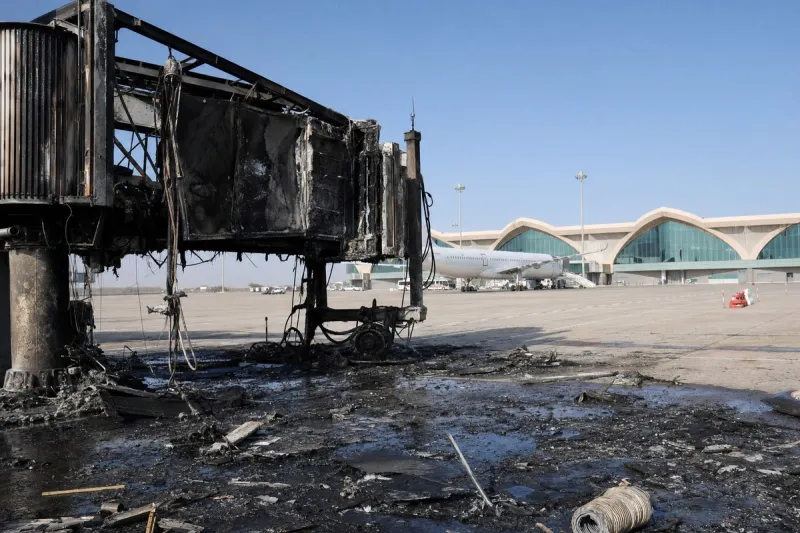
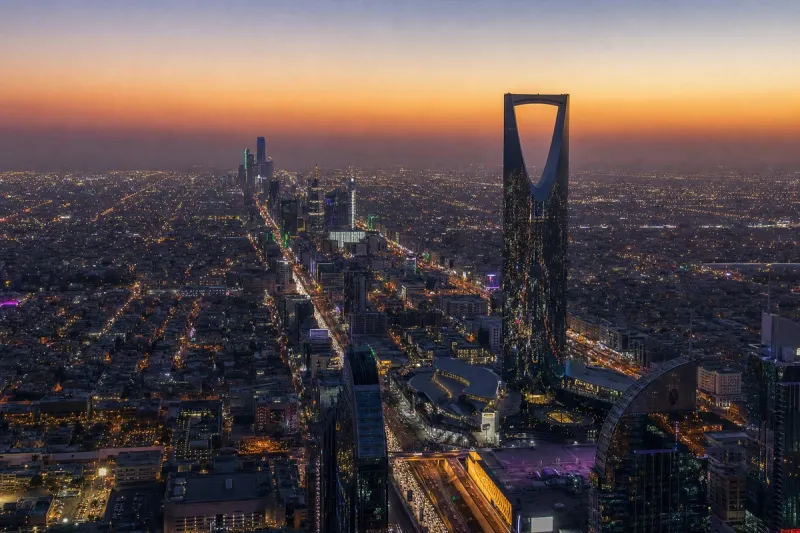
Airport conditions are uneven. Riyadh's King Khalid International reopened on October 18 with limited capacity and operating restrictions, and most carriers have not resumed service. Dammam is open, with damage assessments and safety inspections under way. UAE airspace has only partially reopened, with traffic funnelled through limited approved corridors. Etihad extended cancellations to Riyadh, Dammam and selected Jeddah services, and Indian carriers suspended Saudi flying. Qatar Airways has rebuilt to roughly 85 per cent of its pre-conflict network while keeping Riyadh a restricted destination.
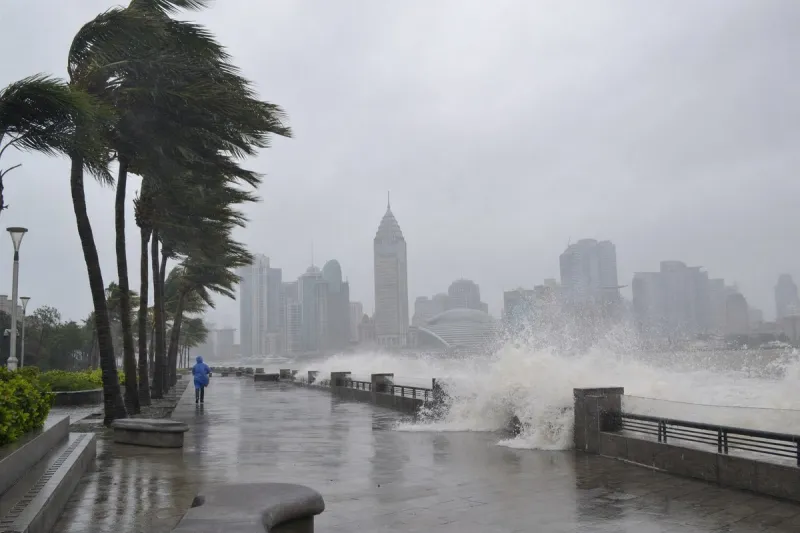
In Asia-Pacific, Typhoon Champi reached Category 5-equivalent strength several times between October 19 and 21, with winds reported at 185 mph and gusts to 200 mph. It then brushed northeastern Taiwan at Category 2 to 3 strength. Taiwan shut down and close to 1,000 flights were cancelled, and the system is forecast to turn toward eastern China and then southern Japan.
Other regional disruption continues. A magnitude 7 earthquake in Tibet killed at least 16 people, and deadly Nepal-Tibet floods have left thousands missing, including foreign tourists. Flooding in Thailand forced Thai Airways to cut 30 per cent of its flights.
Industry impact & what to watch
The EASA text is an avoidance recommendation, not a closure, and its carve-out for arrivals and departures keeps Doha, Dubai and other Gulf fields reachable. The practical squeeze comes from airports rather than airspace: with Riyadh restricted, Dammam under inspection and UAE traffic funnelled through limited corridors, the Gulf no longer offers a dense alternate network. For charter work, that changes how a trip is planned from the start.
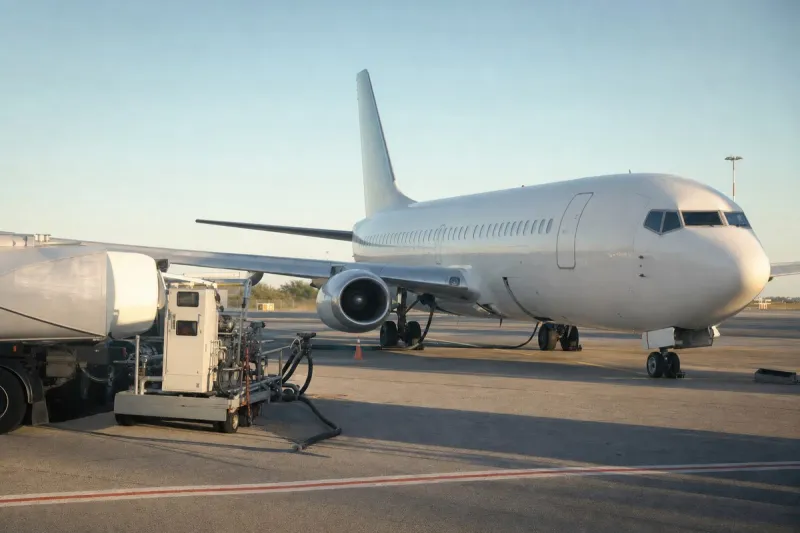
Tech stops and diversion options have to be nominated with realistic fuel reserves for a second alternate. Europe-Asia flights should expect longer departures around advisory polygons and higher block fuel. In smaller cabins, fuel stops may return on sectors that previously ran nonstop. Longer sectors and corridor delays also compress crew duty margins, which points to augmented crews or positioning nights. Clients should expect questions on territorial war-risk cover and be told about entry concessions and cancellation terms before they commit.
The dated markers are concrete. EASA either extends or redraws its guidance beyond November 16. Riyadh and Dammam either return to normal operation or stay restricted, and UAE corridor capacity either expands or does not. Iran's posture matters most: its Supreme National Security Council head has warned of a more devastating reply if US air operations resume, while Tehran has offered conditionally to reopen the Strait of Hormuz. An Egyptian parliamentary vote on authorising forces to help defend Saudi Arabia is also pending. Separately, Champi's track toward eastern China and southern Japan, and continuing floods in Thailand and Vietnam, will decide how far the weather disruption spreads.