FAA Halts Simultaneous Parallel Departures at Centennial Airport, Disrupting Flight Schools
Why It MattersTighter runway-operations limits at a busy general aviation reliever airport push flight training and pattern work to other fields, raising time and fuel costs for flight schools.
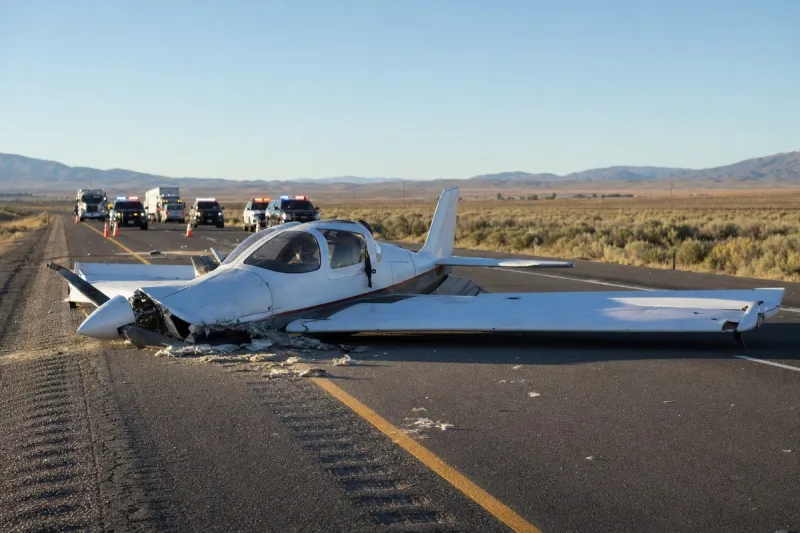
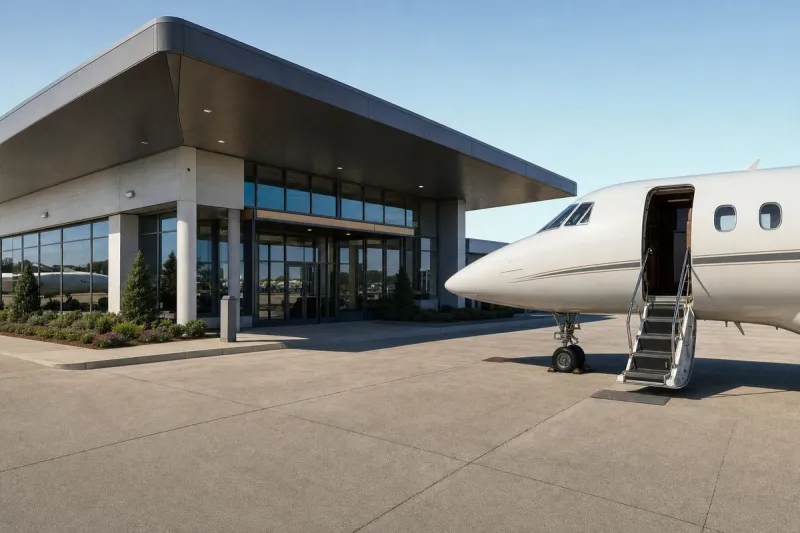
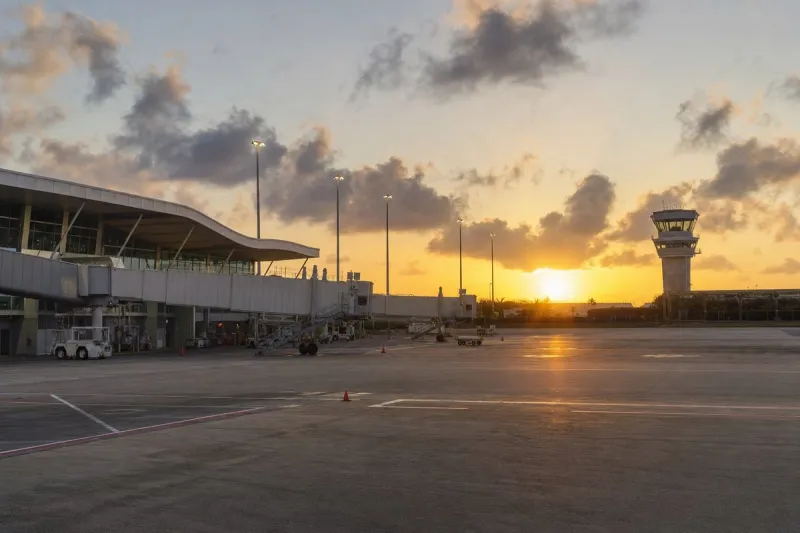
The Federal Aviation Administration has curbed how takeoffs and landings are conducted from the three runways at Centennial Airport (KAPA), the busiest airport in the Denver area after Denver International Airport. A Sept. 30 FAA memo to air traffic officers said a safety risk assessment found the airport had "a higher frequency of recurring parallel departure deviations." The airport then told operators that "simultaneous parallel departure operations" would cease pending "additional safety mitigations," and that an FAA safety panel was scheduled to meet on Oct. 27-28. The change effectively suspends touch-and-go operations, and the FAA also limited the number of aircraft in the takeoff-landing pattern to three.
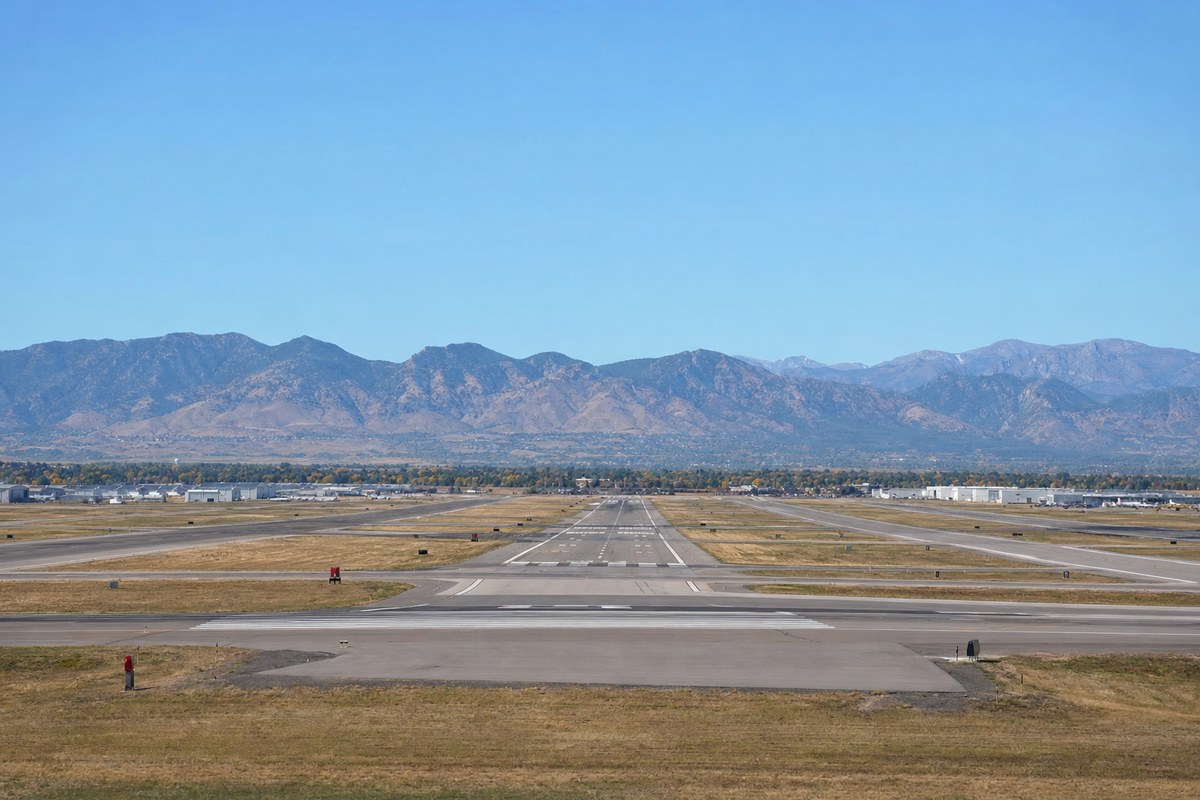
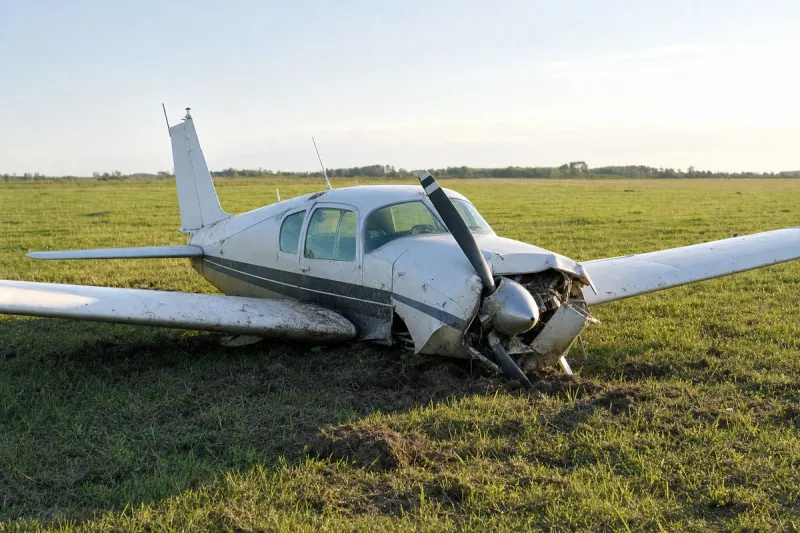
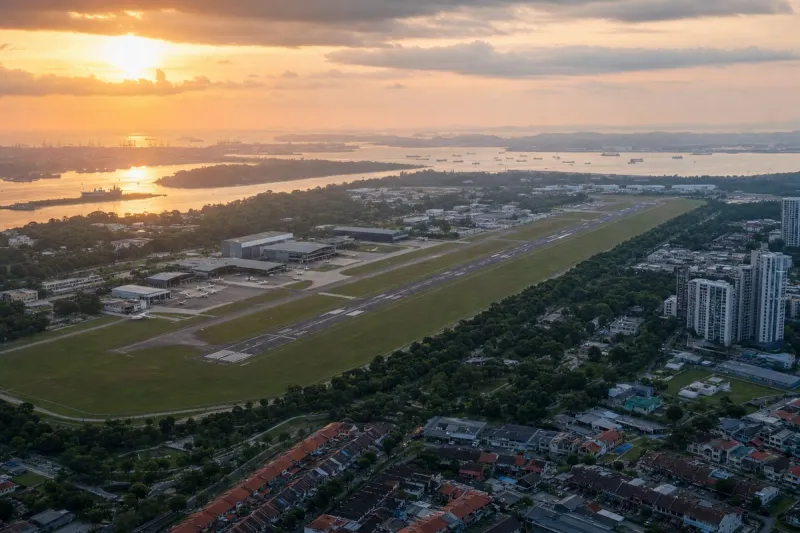
The decision rests on the 600-foot separation between the airport's two parallel north-south runways: the 10,000-foot Runway 17-Left/35-Right and a 7,000-foot parallel runway used by smaller private aircraft. Pilots consider that separation adequate but note it is narrower than the 700 feet at Rocky Mountain Metropolitan (Jeffco) Airport. The FAA's review covered May 2025 through April 2026 and analyzed 35,551 departures. It identified 60 parallel-runway events involving a "deviation," "drift" or "unmitigated convergence." Most were low or medium risk, nine were rated "major" risk and two "hazardous."
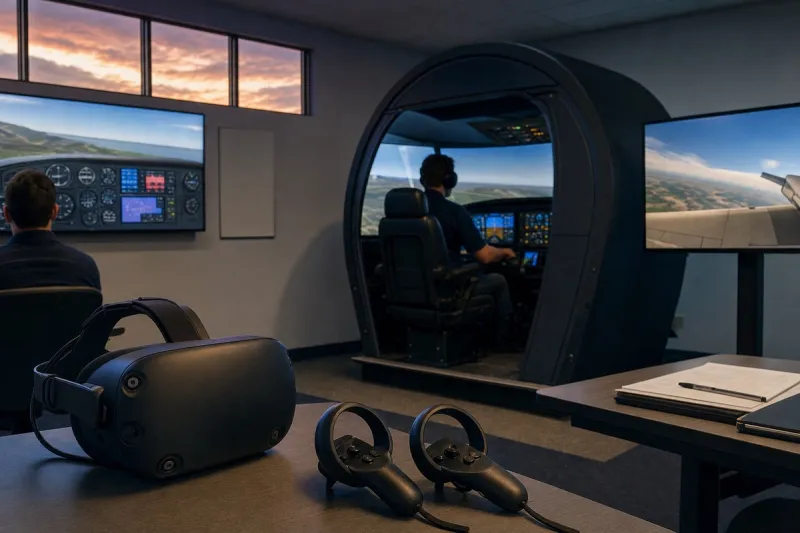
Centennial handles around a thousand flights per day and hosts seven flight schools. A 2025 economic impact study put its potential effect on the regional economy at as much as $2.4 billion. Pilots need three takeoffs and three landings in a 90-day period to carry passengers, a requirement that touch-and-goes can meet in one short flight. Instructors, who asked not to be named, said they must now spend more time taxiing and waiting for takeoff intervals, or fly to less-used airports such as Colorado Springs or Colorado Air and Space Port, 23 miles northeast. A trip to Colorado Springs adds 45 minutes to a flight, and one instructor said the same practice that took 1.5 hours now takes 3.5 hours of total training time. They cited aviation fuel at around $10 a gallon and said earning a basic license with a passenger-carrying certification starts at around $20,000 and could reach $40,000.