BizJet Journal Guide Explains FBO Role, Boarding Process and Border Formalities for Private Jet Passengers
Why It MattersAs private aviation draws newer passengers, the ground handling step is shifting from an unseen back-office service into something operators and booking providers have to explain and confirm up front.
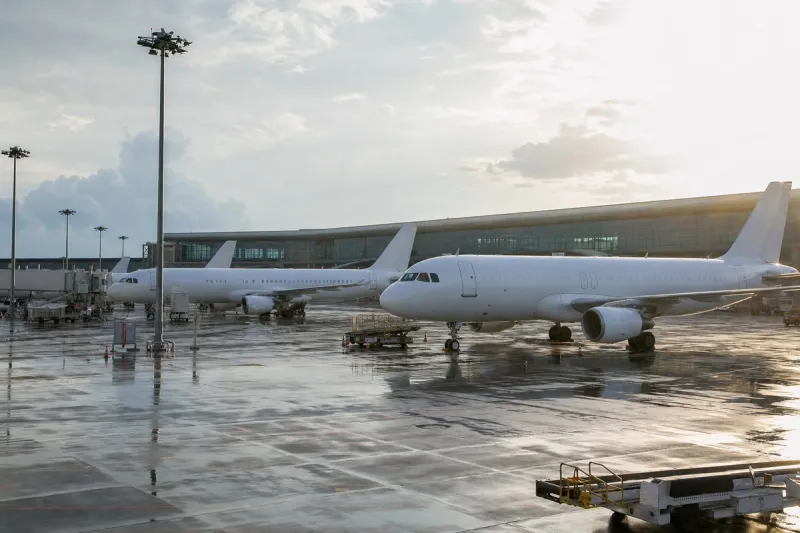
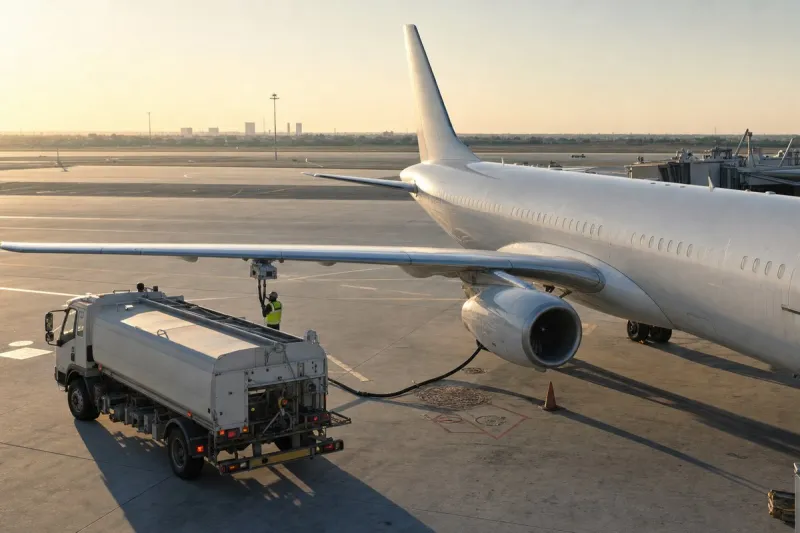
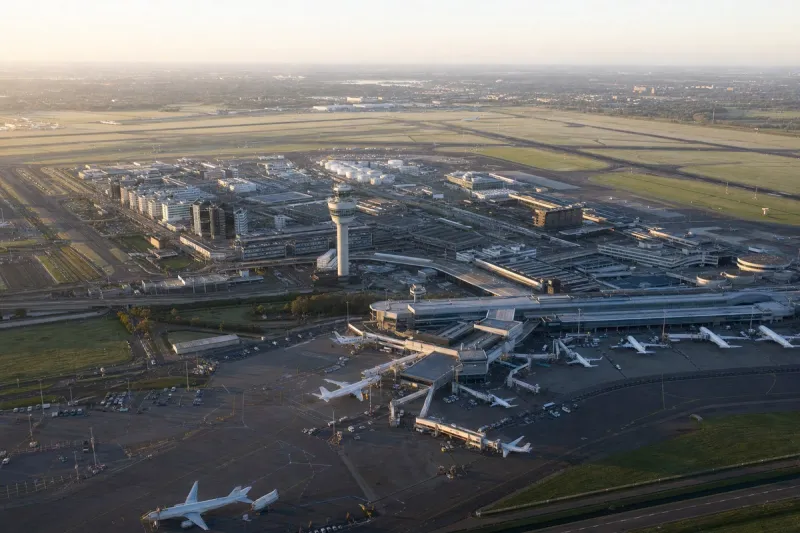
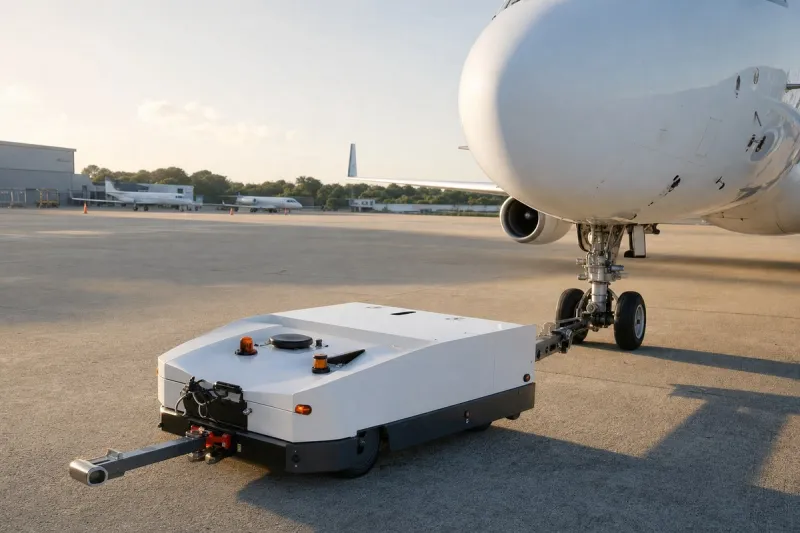
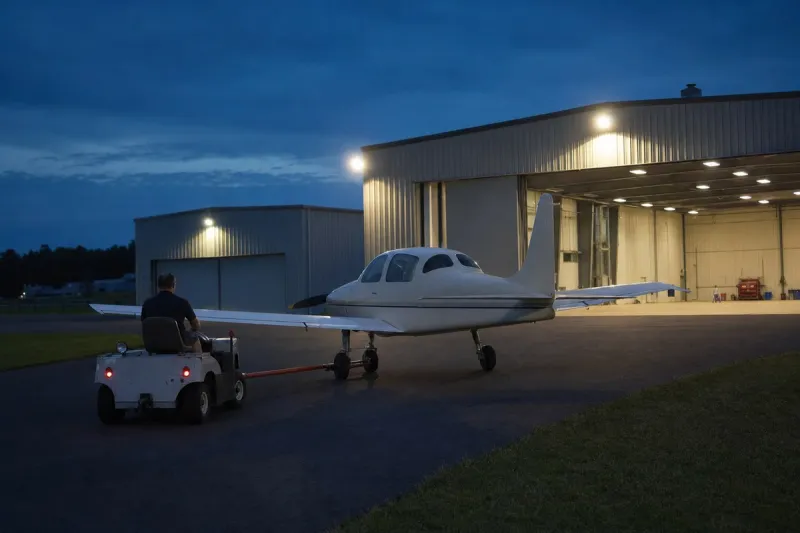
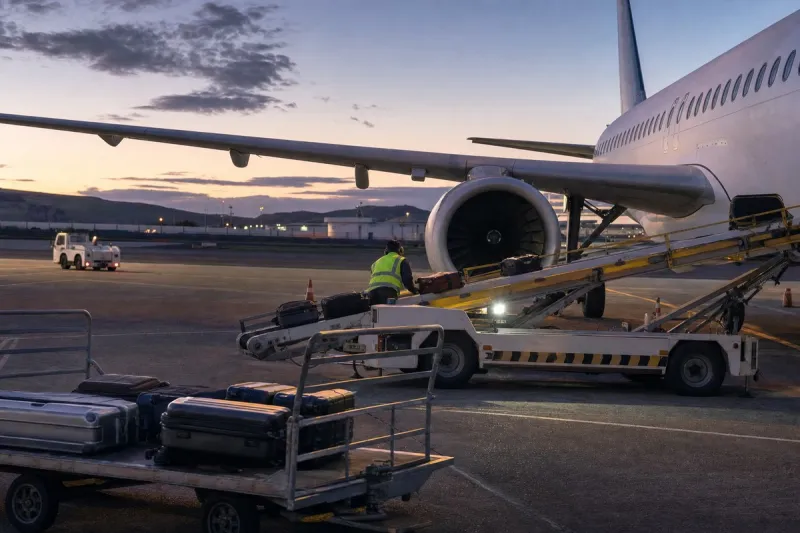
A passenger's guide published by BizJet Journal on October 23, 2026 explains what a fixed-base operator (FBO) is and what private jet passengers can expect at one. An FBO is a business providing aviation services at an airport; for passengers it is often where the ground journey ends and the flight begins. The same organisation may also arrange fuel, ramp services, aircraft parking and crew support.

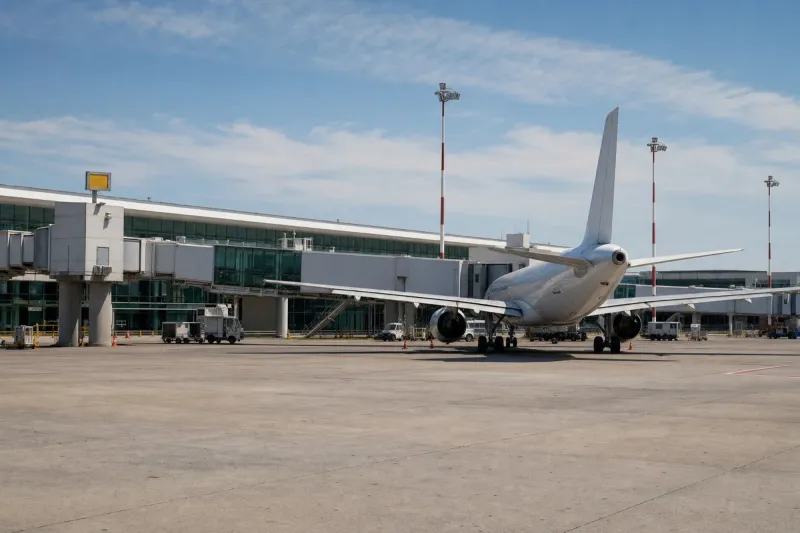
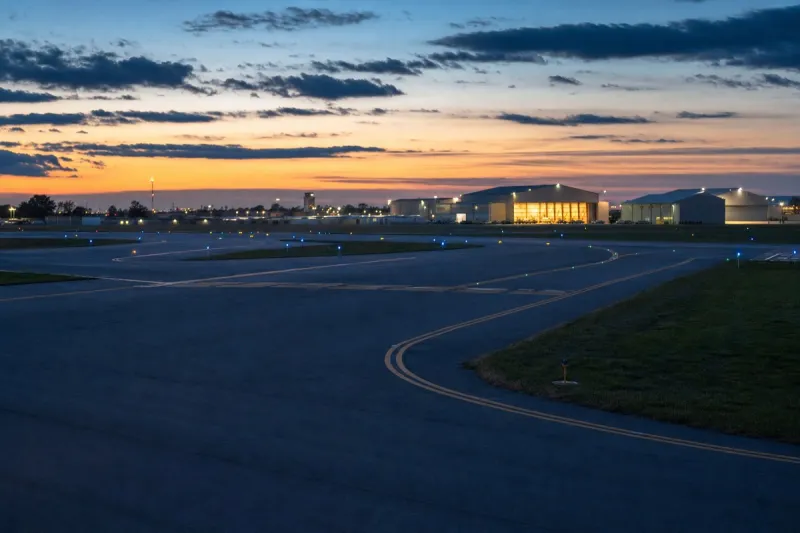
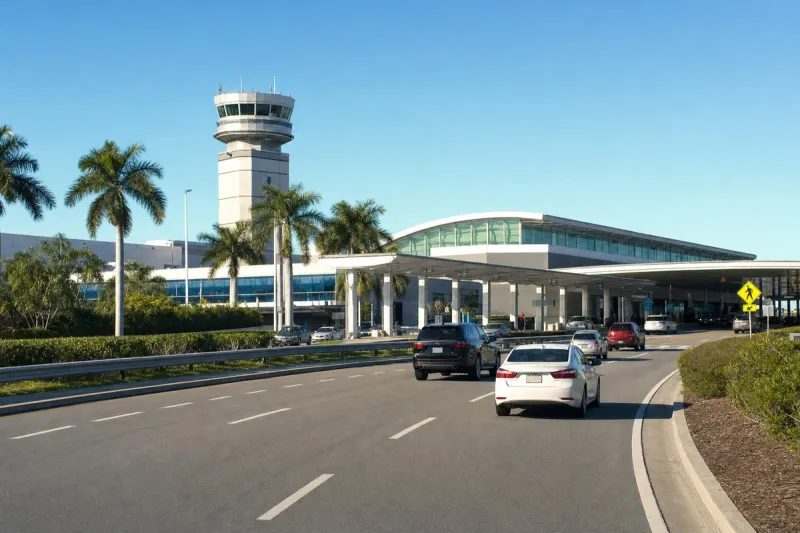
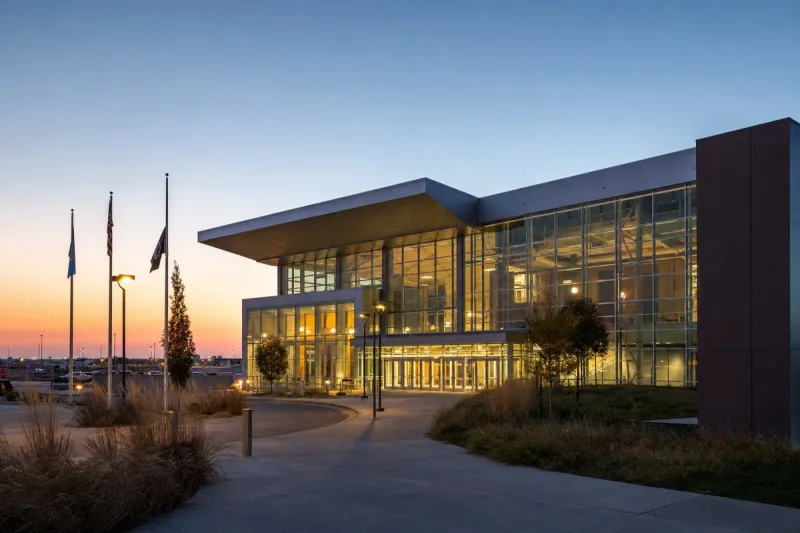
The guide says an FBO and a private aviation terminal are not exact substitutes. The terminal is the building or passenger facility; an FBO may have its own terminal, while several providers can operate from a shared business-aviation terminal, as described for Nice Airport's Business Aviation Terminal. Some airports have several separate FBO buildings, entrances and ramp areas, so flight instructions should give the FBO name and full street address, not just the airport name. Services vary by airport and provider.
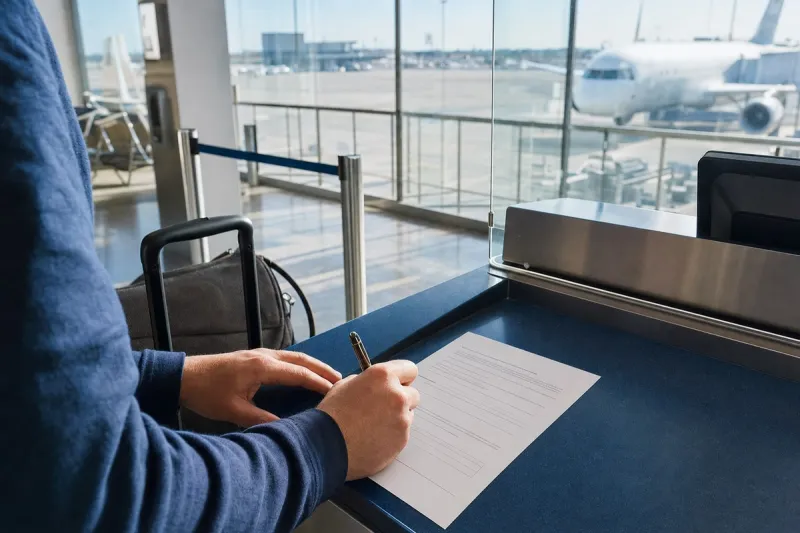
For departures, the guide advises passengers to receive the airport, FBO name, full street address, local reporting time and a contact number, to pass these to any driver, and to follow the operator's reporting time, since none applies to every flight. Reception confirms the party and staff liaise with the crew. Identification and security procedures vary by location, and the crew may need to confirm passenger and baggage weights, as aircraft weight and balance limits apply regardless of cabin size. The guide recommends confirming in advance any facility that matters, such as meeting rooms, showers, private family space or accessibility provisions, and agreeing child-equipment and pet arrangements beforehand. A wheelchair-accessible entrance does not by itself establish that aircraft boarding is suitable.
Private aviation does not bypass immigration or customs. The operator arranges required flight and passenger information, passengers carry applicable documents, and border officials make the decisions. US Customs and Border Protection's general aviation guidance covers advance passenger information and arrival arrangements, and inspection hours can differ from a facility's opening hours. FBO-related costs may be included in the charter price, passed through under agreed terms or affected by additional services; the guide recommends obtaining clear written inclusions and points to NATA's FBO fees and services hub.