BizJet Journal Guide Sets Out Private Jet Charter Process from Enquiry to Final Flight Brief
Why It MattersThe guide puts the weight of charter safety checks on buyers, who must verify the operator and any broker arrangements themselves before paying, leaving brokers and operators to compete on quotation clarity.
BizJet Journal published a guide on October 22, 2026, by founder and editor Joash Koech, describing how a private jet charter booking should develop: a travel requirement, aircraft and airport checks, a written quotation, a contract and payment. Once the flight is confirmed, the provider collects the passenger and service details needed for the trip and issues a final flight brief.

The guide says the first enquiry should explain what the journey needs to achieve, including start and end addresses, date, preferred departure time and any fixed arrival deadline, rather than only naming airports. It advises telling the provider about passenger count, large or unusual baggage such as skis, golf equipment, musical instruments or medical equipment, pets, children and reduced mobility, since baggage dimensions and weight can affect aircraft selection even when seats suffice. A published maximum-range figure is a reference, not confirmation that an aircraft can fly a given route.
On quotations, the guide says a useful quote identifies the aircraft or category, route, dates, price, main inclusions, contractual assumptions and validity period. An indicative quote is not a confirmed reservation. Customers are advised to check substitution terms, ask which costs can arise separately, such as de-icing, extra waiting, out-of-hours attendance or itinerary changes, and clarify whether the aircraft waits, returns to base or is redeployed on a round trip.
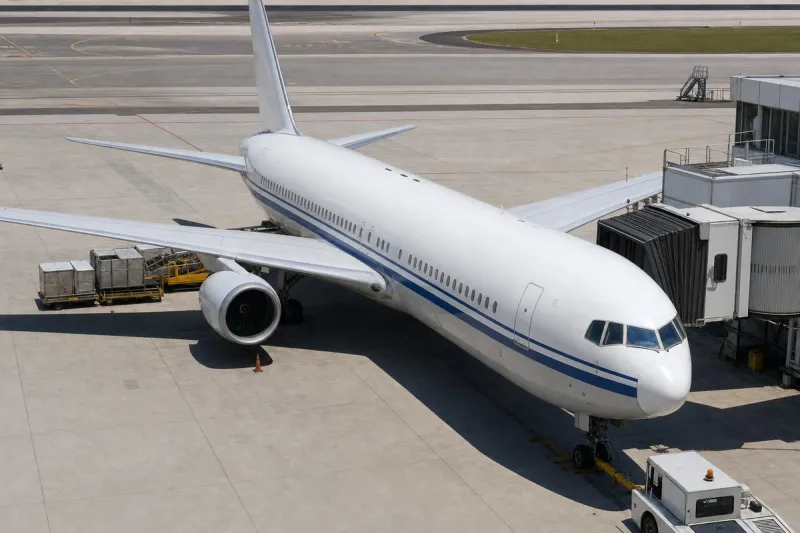
Before paying, the guide recommends identifying the legal entity being contracted and the operator expected to fly. For US charter, the FAA publishes a Part 135 Operators and Aircraft List, searchable by operator name or N-Number and updated weekly; the FAA page was last updated on September 2, 2026. The FAA says that if an operator or aircraft is not listed, the local Flight Standards District Office (FSDO) should be contacted to verify charter status. The guide also points to the Department of Transportation's Part 295 framework for US arrangements involving an air charter broker.
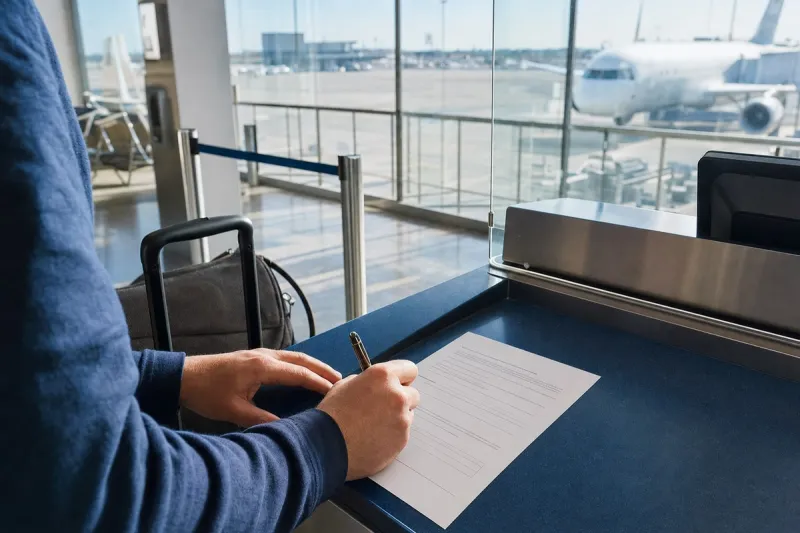
The guide advises reading the contract for cancellation, changes, substitutions, mechanical unavailability, weather disruption, payment deadlines and additional-cost provisions, and asking what recovery assistance applies if the aircraft becomes unavailable. It recommends verifying payment instructions through a known contact route, particularly if bank details change during an email conversation, and keeping the confirmation, invoice and payment record together. It also advises supplying accurate passenger names and identification early.
The final passenger flight brief should be checked for the exact airport and FBO meeting point, local departure and reporting times, confirmed aircraft and operator, passenger and baggage lists, support contacts and agreed services. One airport may have several FBOs with different road entrances.