Former FAAN chief Aisuebeogun says Nigeria needs resilient transport system as global shocks drive up costs
Why It MattersNigerian carriers that depend on imported jet fuel and dollar-priced inputs face cost pressure that surfaces as higher fares, thinner schedules and weaker reliability across domestic aviation.
Dr Richard Aisuebeogun, a transport expert and former Managing Director of the Federal Airports Authority of Nigeria (FAAN), warned at the second edition of the Transport Summit, themed "Navigating Global Disruption and The Road Ahead," that conflicts in major energy-producing regions and disruptions along critical global trade routes are raising operating costs across Nigeria's transport ecosystem. He said geopolitical friction and supply chain bottlenecks have pushed up the cost of fuel, marine and cargo insurance, shipping freight and imported technical equipment. Because Nigerian operators rely heavily on imported refined petroleum and technical inputs, such shocks quickly erode domestic service delivery.
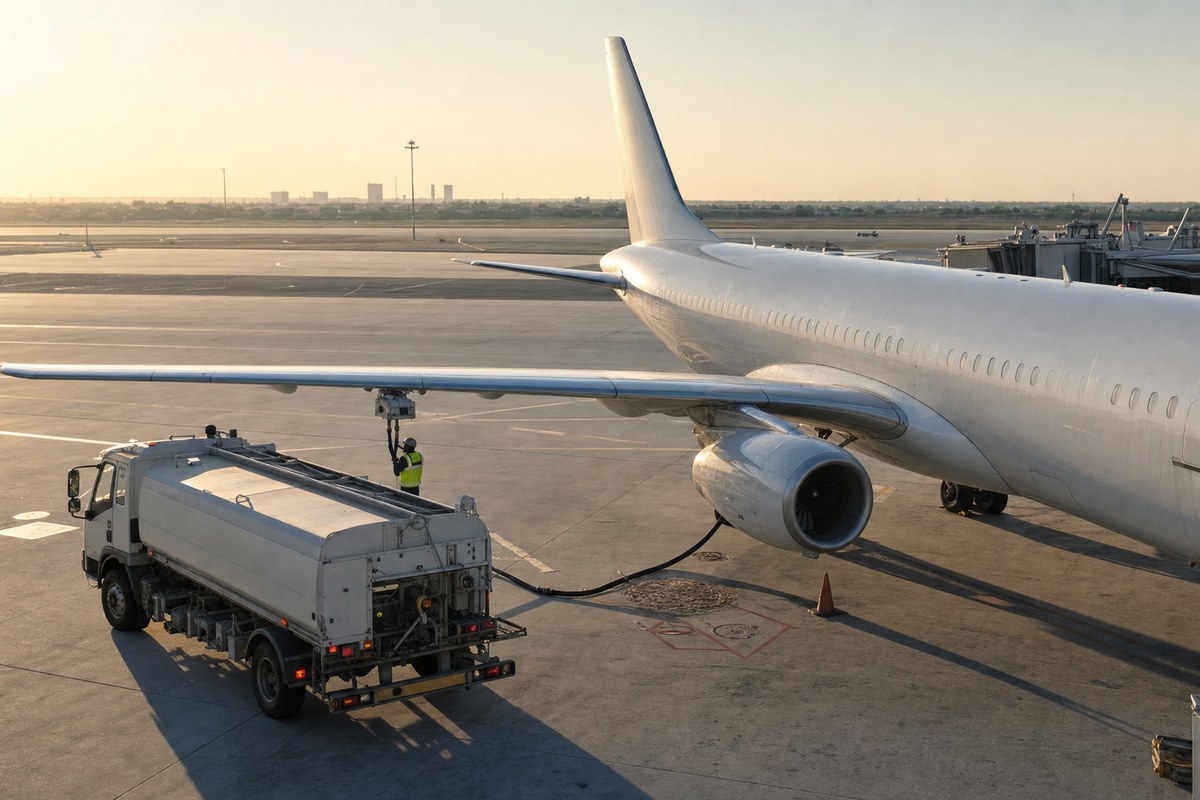
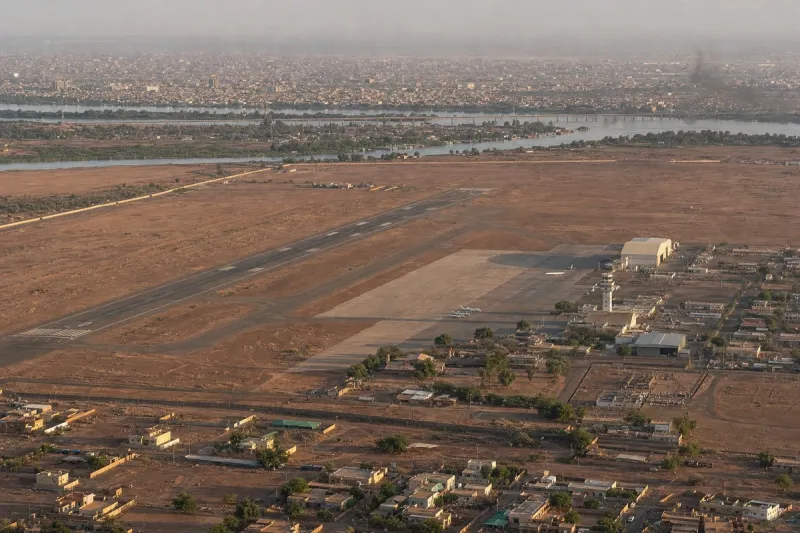
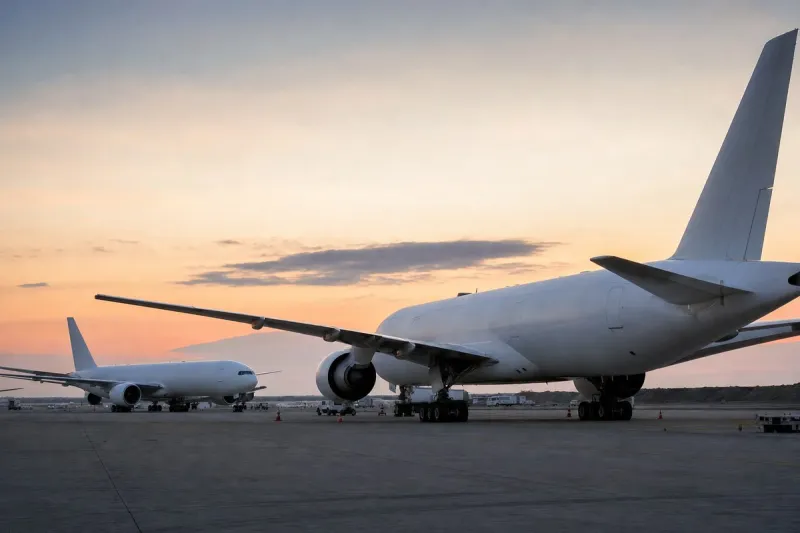
Aisuebeogun described aviation as uniquely exposed because jet fuel dominates airline operating costs, and recalled that by May 2026 rising aviation fuel prices and recurring supply shortages were already disrupting domestic flight schedules and causing route adjustments. He added that local currency depreciation worsens the situation by raising equipment replacement costs, inflating maintenance contracts and hindering capital-intensive investment, which can lead to higher fares, lower service frequency and declining reliability. "The central question is therefore not simply how Nigeria can build more transport infrastructure, but how the country can establish a transport system that is reliable, affordable, safe, integrated, financially sustainable, and resilient to global external shocks," he said.
He noted that while the global transport industry moves toward digital ticketing, automated cargo processing, real-time tracking and integrated logistics, Nigeria still struggles with foundational gaps, particularly deteriorating roads and inadequate intermodal connectivity. He named degraded road surfaces, poor drainage, severe gridlock, unmaintained bridges, insufficient rural feeder roads and weak links between agricultural and industrial hubs and seaports and airports as key bottlenecks.
In her welcome address, summit convener Mrs Pearl Ngwama cited US Energy Information Administration (EIA) data dated October 6, 2026, saying Brent crude averaged $114 per barrel in September, up $23 from August, and briefly spiked to $131 per barrel on September 15 after targeted attacks on key energy infrastructure and trade-route disruptions in Saudi Arabia. She said airlines face mounting fuel bills, shipping companies higher vessel operating and insurance costs, and road haulage operators higher fuel expenses.