Amsterdam Schiphol Sees Room to Grow Within 478,000-Flight Cap as Dutch Decree Eyes Path to 500,000
Why It MattersA conditional route back to 500,000 flights shows how European hubs may trade noise reductions for capacity, pushing operators toward quieter aircraft and fuller use of off-peak hours.
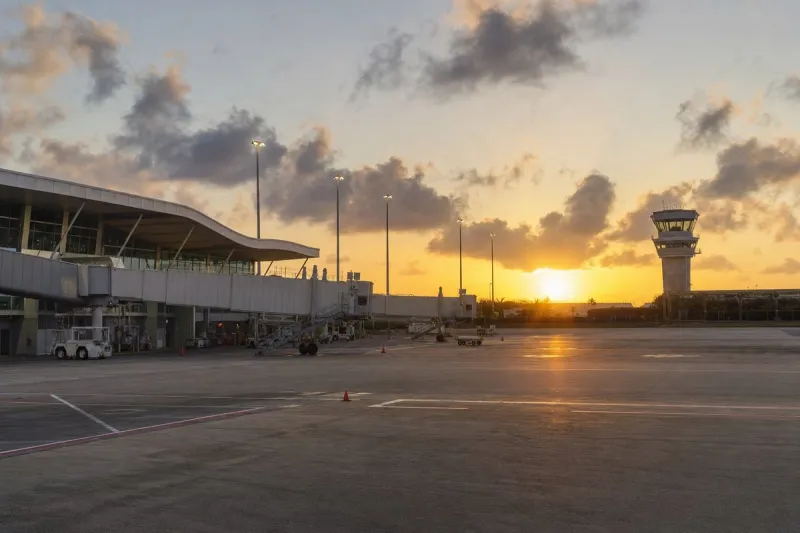
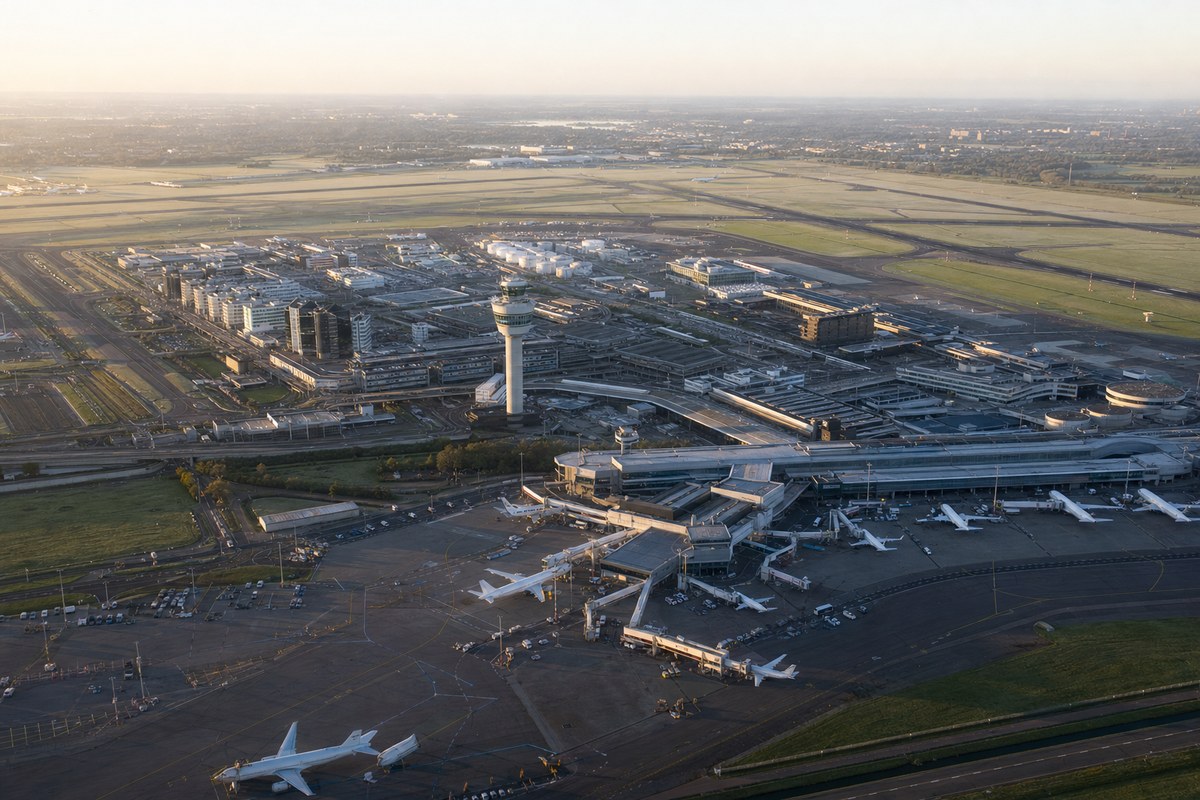
Amsterdam Airport Schiphol (AMS) executives say the airport can remain a leading international hub despite operating restrictions that limit annual aircraft movements to 478,000. The Dutch government is finalizing a new airport traffic decree that would retain that cap, including a limit of 27,000 nighttime movements, while setting conditions for phased growth toward 500,000 annual flights. The higher figure is not yet an authorized operating limit. The airport expects the 478,000 cap to remain initially, but Strijtveen sees potential for additional flights if environmental targets are achieved.
The proposal follows years of disputes involving airlines, the government and residents concerned about aircraft noise. In March, the Netherlands Council of State overturned the legal basis for an earlier 478,000-flight cap, finding that the government had not adequately justified the restrictions. Authorities continued applying the cap through interim enforcement arrangements while preparing replacement regulations. Strijtveen acknowledged that the failure to establish clear legal rules had undermined residents' confidence in how the airport was regulated.
Royal Schiphol Group Chief Operating Officer Patricia Vitalis said the airport recognizes the concerns of nearby communities and has intensified efforts to improve relations with residents. Schiphol is also encouraging airlines to operate quieter aircraft. An August interim government evaluation reported a 17% reduction in residents experiencing severe aircraft noise and a 29.8% decline in those experiencing sleep disturbance. Approximately 40% of aircraft operating at AMS now belong to the newest, quietest generations, and higher charges for noisier aircraft have helped accelerate fleet modernization.
Strijtveen said Schiphol has opportunities to make better use of existing infrastructure outside the congested morning peak, noting that at some hours later in the day the infrastructure is there to handle more traffic. AMS is focusing on larger aircraft, stronger frequencies and more efficient use of available capacity to protect its connecting network. He said the airport aims to maintain its position among the world's most connected international hubs while improving operational performance.