AAD Panel Traces Aviation Skills Shortage From School Subject Choices to Technician Training and Retention
Why It MattersThe shortage is described as a whole-pipeline problem, so technician and engineering capacity, not pilots, looks like the tighter constraint on African fleet and maintenance growth.
A panel on addressing the skills shortage in the aviation industry at Africa Aerospace and Defence (AAD) 2026 brought together Airlink, Airbus, Alt Academy, Kershal Aviation and Milkor. Panellists traced the shortage from school subject choices and technician training to mid-career retention, ageing instructors, training funding and the recognition of qualifications between African countries.
Airlink's Kariska Engels said the airline has more than doubled its headcount over recent years and needs skills at every level, not only crew, because without pilots it cannot expand or operate new aircraft. Airlink recruits through high-school engagement, partnerships with TETA, support for apprentices and a cadet programme. Engels said the scale of the challenge requires an industry response because individual employers cannot carry the full pipeline alone.
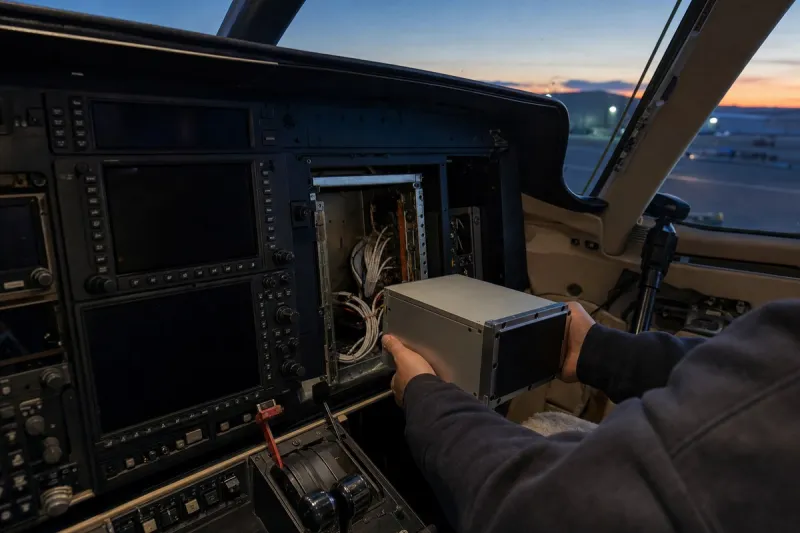
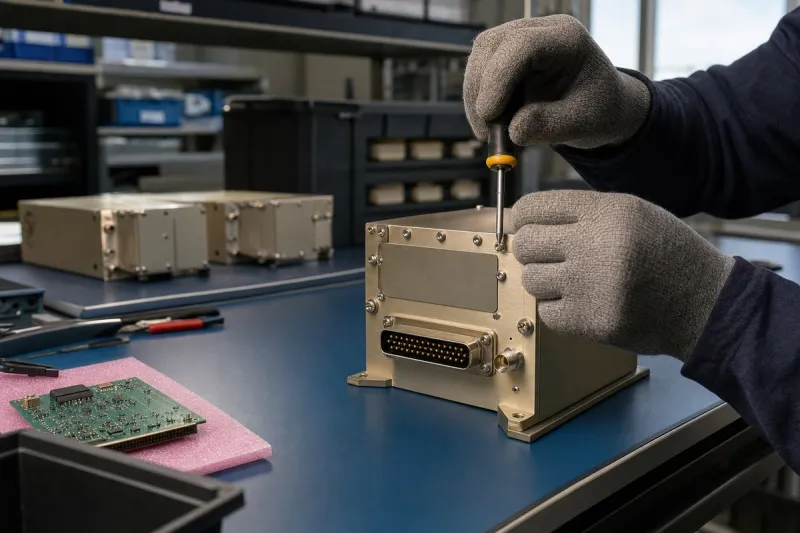
Timo Eckardt of Airbus said the pilot market is comparatively well served, while the technician and engineering side, particularly helicopter maintenance in Southern Africa, is the more acute constraint. Airbus has pursued awareness work, university engagement and rural outreach, and has begun working with Alt Academy on basic maintenance training, described by Alt Academy's CEO as an MoU and intended to serve the wider industry. Airbus has also raised the recognition of education and certificates between countries with AFCAC.
Ledlie argued that the pool of suitable applicants is shrinking, and that a decisive point comes at school when learners move from mathematics to mathematical literacy, which can close off the route to engineering careers. He called for aviation awareness to start at the source and pointed to youth development activity at AAD as an example.
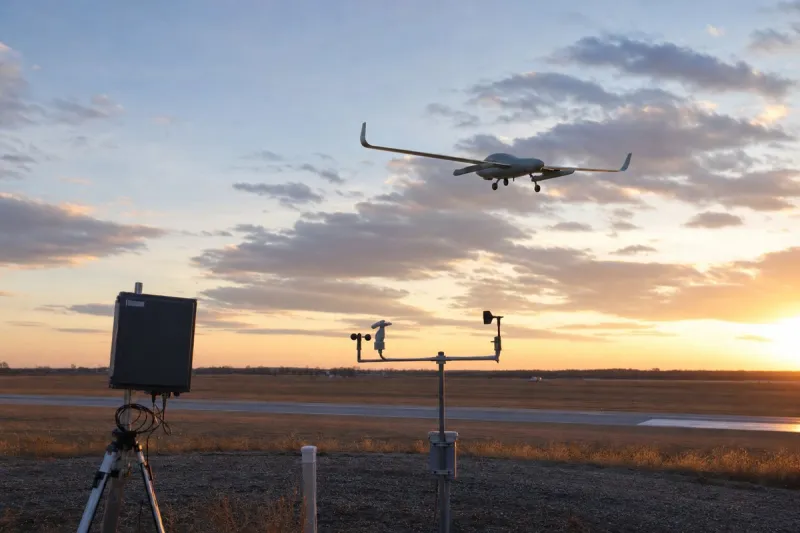
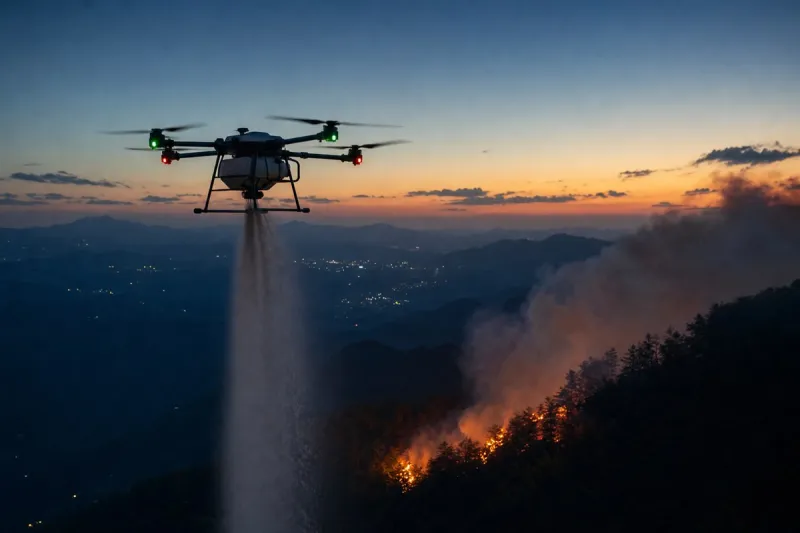
Milkor's Pretorius said the company has grown its UAV engineering capability largely in-house, from one person in 2019 to more than 350, yet the number of quality applicants is decreasing. Retention is most difficult among engineers with five to ten years of experience, who may seek higher pay, other industries or opportunities overseas. Alt Academy's instructor base includes experienced pilots, some around 65 and others approaching 80.
The policy changes named by panellists were alignment of SAQA accreditation and skills-spend recognition with aviation training, formal recognition of the shortage on the government skills shortage list, reform of the Air Services Licensing Act, and cross-border recognition of education and certificates.