A Year After Mar-a-Lago Flight Restrictions, Palm Beach Residents Split Over Noise, Soot and Rerouted Flight Paths
Why It MattersSecurity-driven airspace closures can become standing arrangements that shift where an airport's traffic is flown, turning a protective measure into a lasting noise-distribution dispute that the surrounding community and operators must absorb.
What happened
The Federal Aviation Administration (FAA) issued temporary flight restrictions over President Donald Trump's Mar-a-Lago Club in Palm Beach, taking effect Oct. 20, 2025. They create a no-fly zone over the 17-acre property whether or not Trump is home. The restrictions were set to expire Oct. 20 of this year, but on Oct. 18 the FAA posted a notice extending them through Oct. 20, 2027.
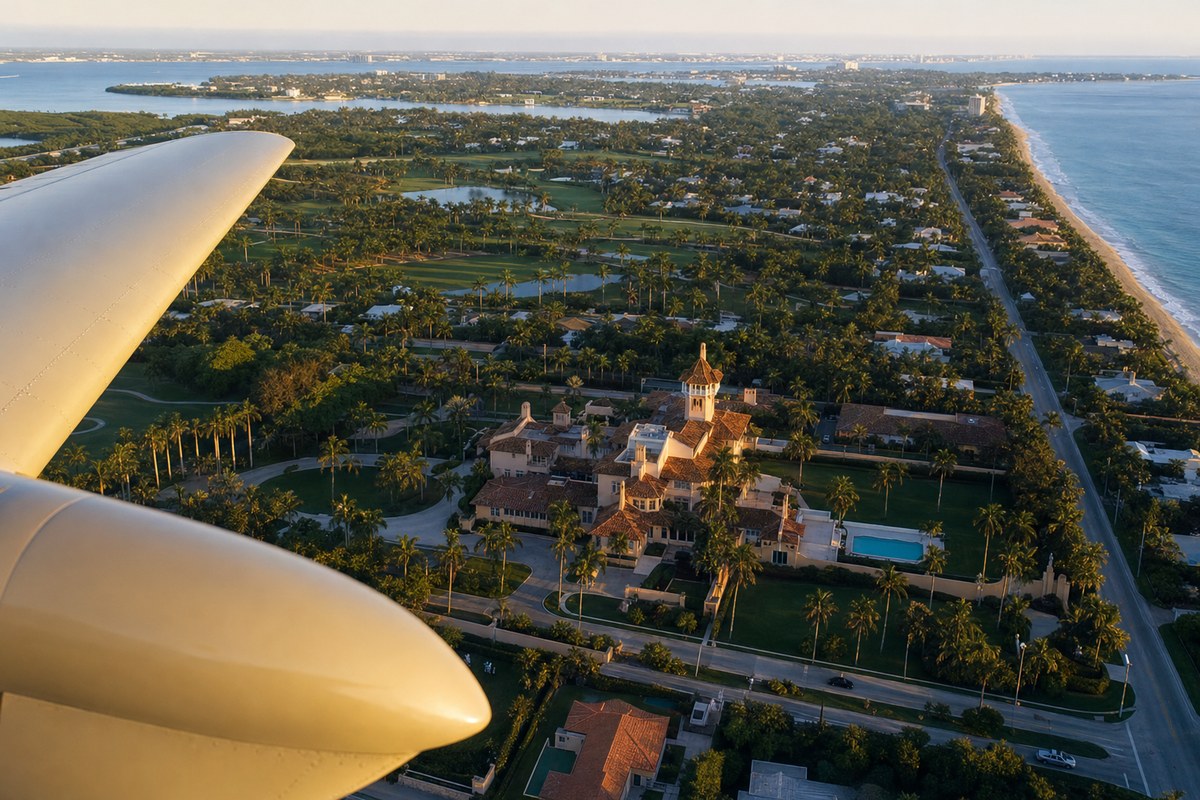
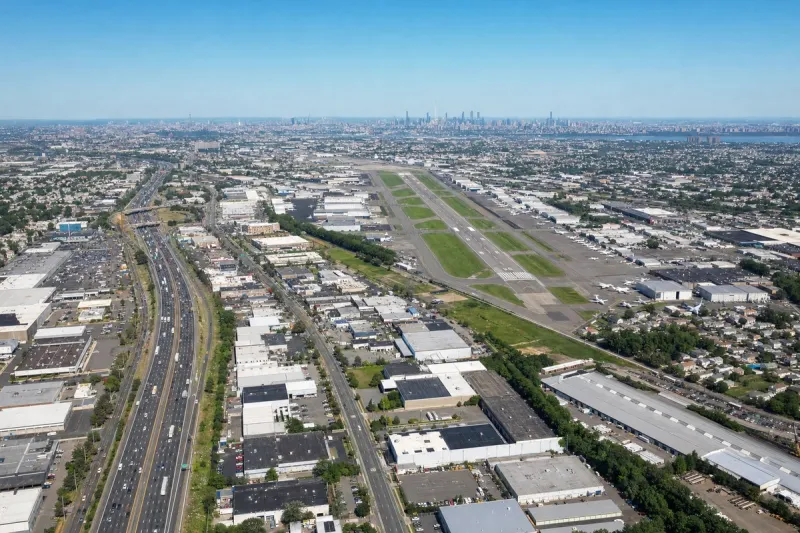
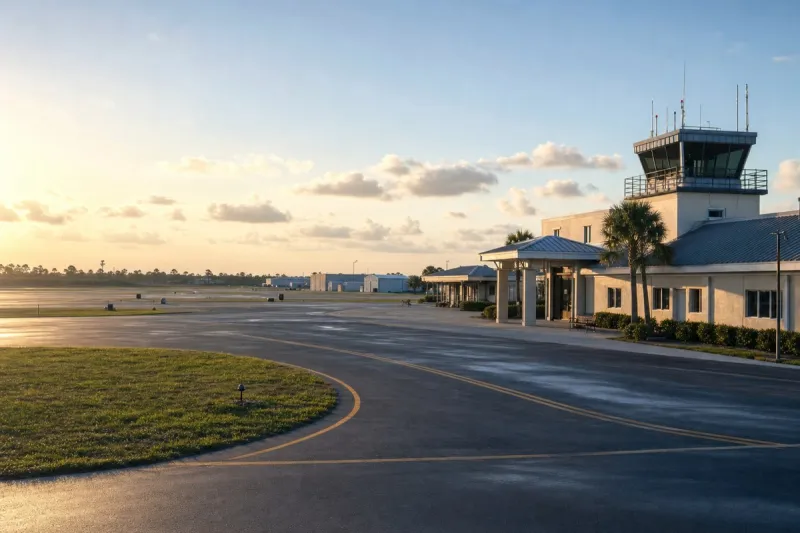
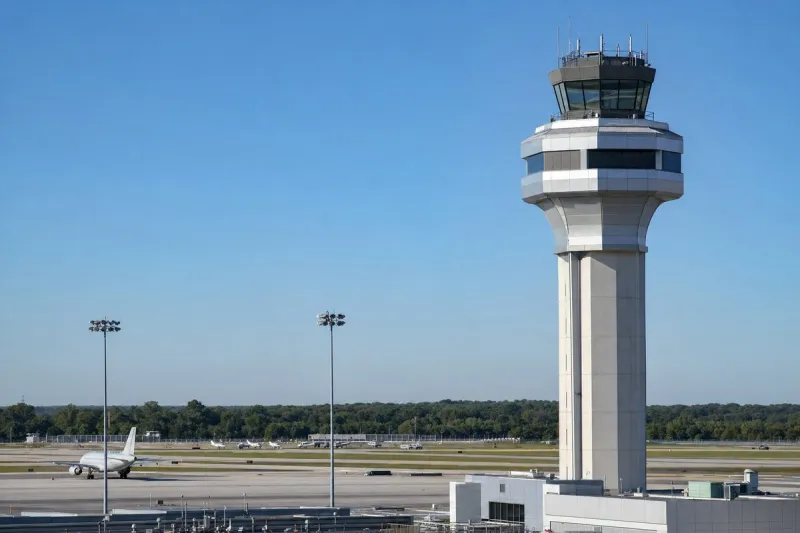
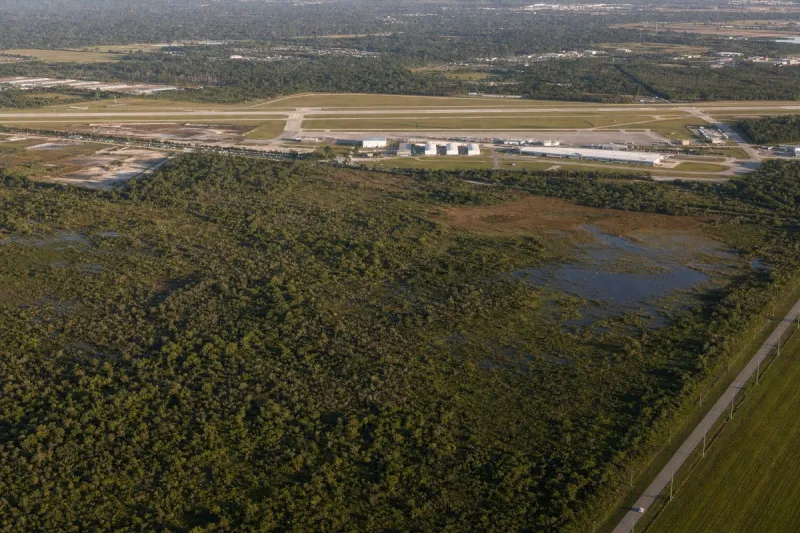
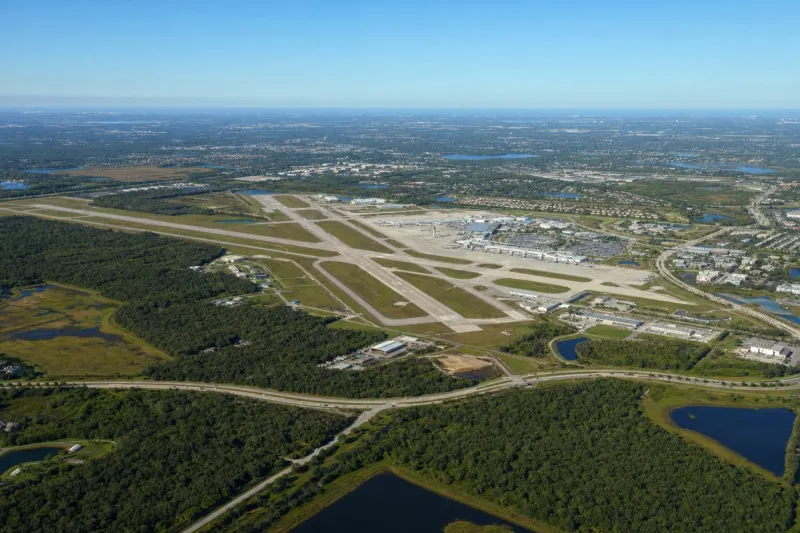
After the restrictions were issued, the FAA published new flight paths routing planes to the northeast of President Donald J. Trump International Airport, areas historically outside its primary flight path. The FAA has also proposed special air traffic rules for Mar-a-Lago's airspace that would essentially make the temporary restrictions permanent. As of Oct. 14, the FAA had not released a decision on the proposed rule published Sept. 2 in the Federal Register. The U.S. Secret Service previously said it requested the restrictions because of increased threats to Trump, his family and properties.
Airport data show operations at Trump International rose from 9,438 in September 2025 to 12,048 in October, 13,896 in November, 14,244 in December, 15,316 in January and 15,614 in February. They peaked at 17,466 in March and 17,570 in April, before dropping by more than 3,000 flights in May.
What residents report
Experiences vary by location. Everglades Island resident William Gubelmann wrote that the planes seriously affect his ability to enjoy his property, citing noise that disrupts outdoor conversation, exhaust residue and early-morning wake-ups.
Kaci and Mark Kelsay of West Palm Beach's Prospect Park neighborhood said they support protecting the president but see no need for the restrictions when he is not home. A white cloth wiped across their outdoor furniture came away coated in black soot, and they no longer keep patio cushions outdoors.
Palm Beach Day Academy sits under the new routes. Its Lower Campus, with 340 students from preschool through third grade, is in West Palm Beach, and its Upper Campus, with 240 students in grades four through eight, is in Palm Beach's Midtown. Head of School Fanning Hearon wrote that low flights before, during and after school hours disrupt instruction, recess, physical education and other activities.
Others welcome the change. Some residents who lived under the historic routes reported consistent quiet and said flights should be distributed more evenly. One resident said the updated paths make noise distribution more equitable, and a West Palm Beach resident called the proposed restrictions "entirely reasonable."
Industry impact & what to watch
A temporary flight restriction tied to a protected site does not stay confined to that site's airspace. At a commercial-service and general-aviation airport, it pushes arrivals and departures onto different tracks, and the people living under those tracks change with it. The Mar-a-Lago case shows how a measure justified on security grounds produces a second, separate argument about who bears the noise, one that the original justification does not resolve.
The move from a yearly extension toward a proposed permanent rule matters for how operators and the airport plan around it. A restriction renewed every twelve months can be treated as a condition that might lift; a permanent special rule becomes part of the baseline for route design and local relations. The monthly operations figures in the material give a sense of the traffic the rerouted paths carry.
The next decision point is the FAA's ruling on the special air traffic rules published Sept. 2 in the Federal Register, which as of Oct. 14 had not been released. That ruling, rather than the two-year extension, will show whether the northeast routings are treated as a standing feature of the airport's operations.