Hackensack Asks FAA to Mandate Voluntary Runway 19 Approach to Teterboro, Citing Under-2% Use
Why It MattersWhere a voluntary noise-abatement procedure sits almost unused, community pressure shifts toward mandates, and operators of private, corporate and charter jets can expect flight-path rules rather than goodwill to govern arrivals.
What happened
Hackensack's City Council adopted a resolution on Oct. 6 calling on the Federal Aviation Administration (FAA) to make mandatory what is currently a voluntary alternate approach to Runway 1/19 at Teterboro Airport. The route, developed in 2021 and known as the RNAV (GPS) X RWY 19 Approach, would direct arriving jets south-by-southeast over the Route 17 business corridor instead of continuing several miles farther east before turning due south over residential areas.
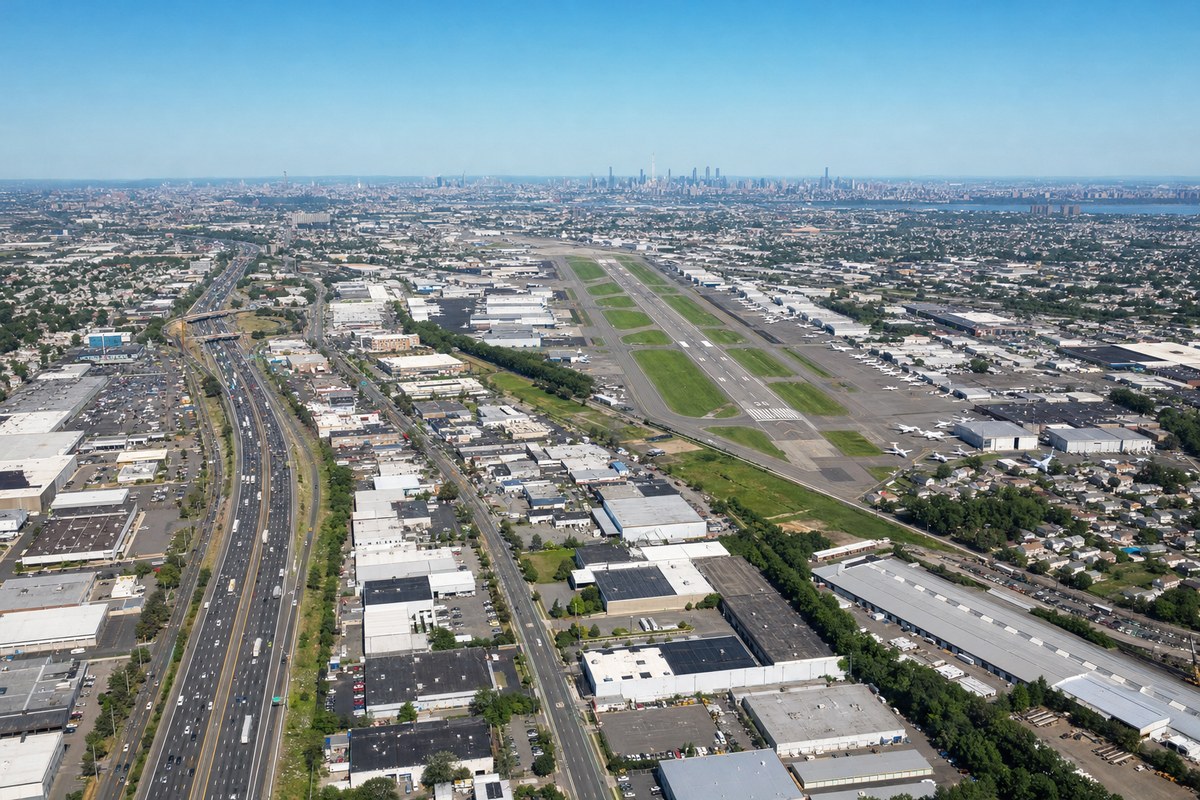
Mayor Caseen Gaines said working families in Hackensack should not carry the burden of nearly half of Teterboro's incoming flights. He noted that the FAA-approved offset approach is almost completely unused while flight volume rises.
The resolution followed a July 15 letter to the FAA's eastern regional administrator, Marie Kennington-Gardiner, from the Teterboro Aircraft Noise Abatement Advisory Committee. That committee is a permanent Port Authority of New York and New Jersey panel of representatives from communities within a 5-mile radius of the airport. Its letter said the approach has been used less than two percent of the time.
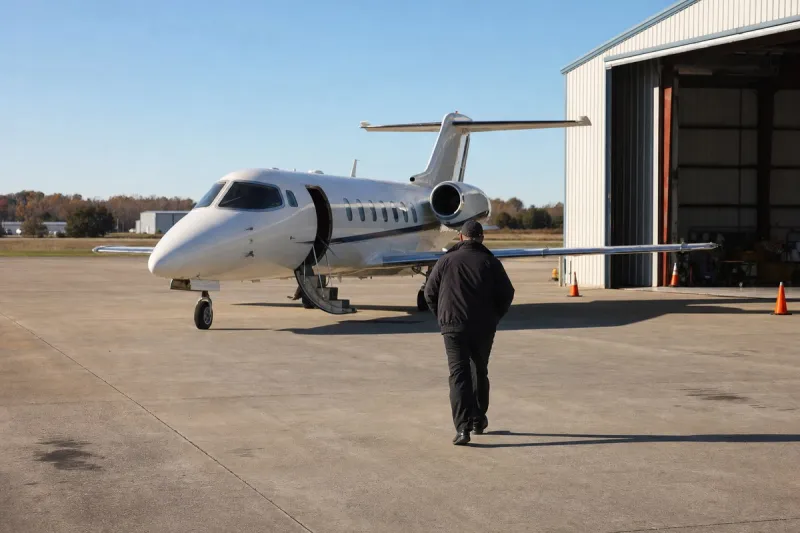
Teterboro is a general aviation airport in eastern Bergen County for private, corporate and charter flights, owned and operated by the Port Authority. It does not handle scheduled airline service.
The FAA did not comment specifically on the Runway 19 approach. In a statement it said it is committed to meaningful dialogue with surrounding communities and that noise concerns can be taken to local aviation community roundtables or airport operators. Port Authority spokesperson Halimah Elmariah said the agency has no control over flight paths, which fall under FAA jurisdiction.
Industry impact & what to watch
The dispute shows how noise-abatement procedures work at general aviation airports: an approach can be designed, approved and published, yet remain optional for the crews flying into the field. Because the airport owner says it cannot direct flight paths and the FAA points communities toward roundtables, responsibility for compliance sits in a gap between the two, and a published procedure with no mandate depends entirely on pilot and operator choice.
For the private, corporate and charter segment, that gap is where pressure accumulates. A procedure used less than two percent of the time gives local officials a plain statistic to cite, and a council resolution now puts a formal request in front of the regulator. Whether arrivals are steered over a business corridor or a residential area is a flight-path matter, and flight paths are an FAA decision.
The next marker is the FAA's response to the Oct. 6 resolution and to the committee's July 15 letter. Until the agency says whether it will consider converting the approach from voluntary to required, operators face no change to how they fly into Teterboro.