Labour MP Martin Rhodes Urges Bolder UK Tax Increases on Private Jets Ahead of Budget
Why It MattersPrivate aviation's tax position is becoming a fiscal and political target in the UK, where fuel duty exemption and low Air Passenger Duty bear on how charter and ownership economics are judged.
What happened
Martin Rhodes, a Labour MP, has set out his case in an opinion article in The House magazine for higher taxes on private jet users in the first Budget under Andy Burnham as prime minister. He calls targeting the private jet use of the super-rich a "no-lose" policy for Labour.

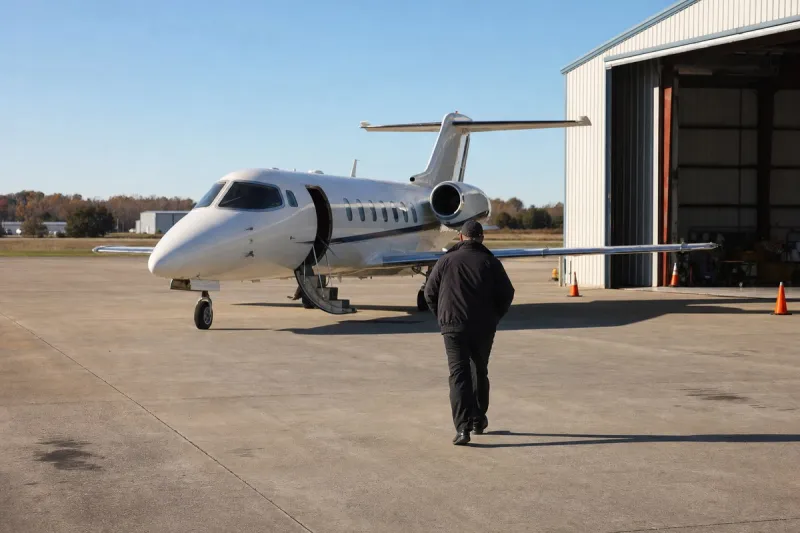
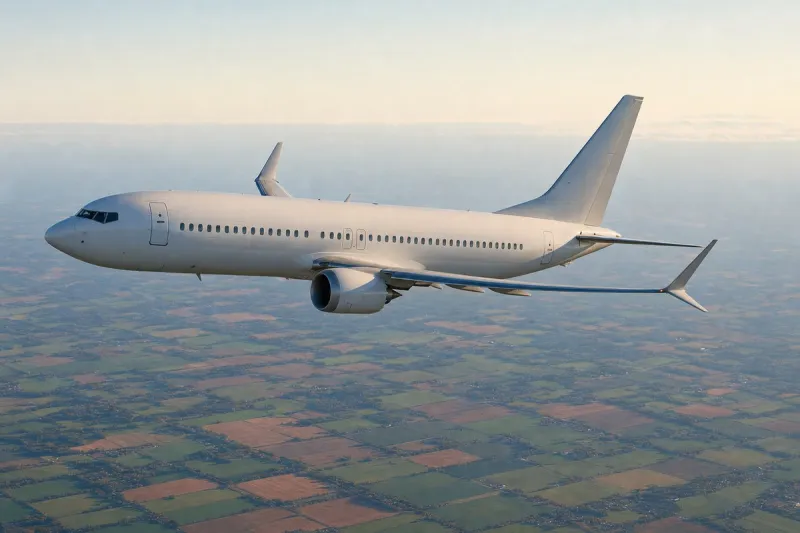
Rhodes cites several figures. The UK accounts for 15 per cent of European private jet emissions and ranks sixth in the world for registered private jets, while private jets make up around one in 10 flights in the UK. In one hour a private jet can emit two tonnes of CO2, a quarter of an average person's annual emissions. He says the average private jet emits up to 14 times more CO2 per passenger per mile than a commercial flight, with average occupancy of 2.5 passengers and an average owner net worth of €1.3bn.
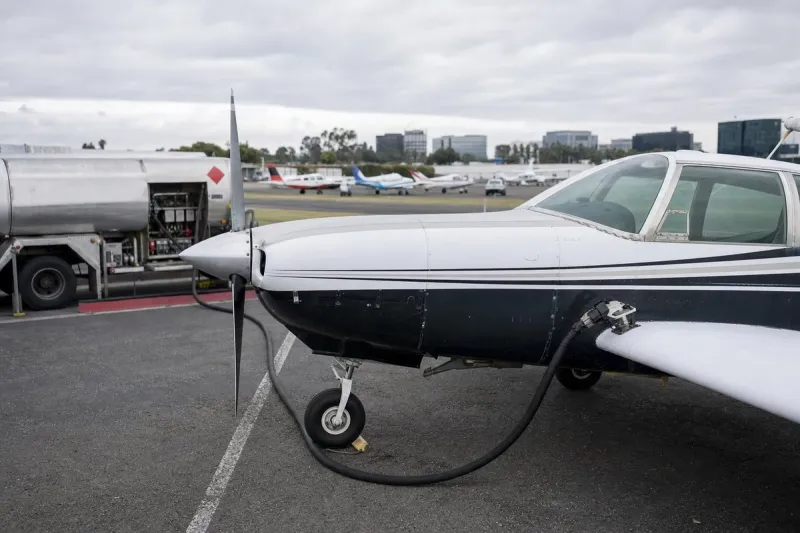
On tax, Rhodes notes that private jet flights pay no duty on fuel. Air Passenger Duty makes up, on average, less than two per cent of the cost of a typical private jet ticket, against 43 per cent for an economy ticket on a passenger plane. The 2024 Autumn Budget, announced by then chancellor Rachel Reeves, raised private jet APD by 50 per cent and closed loopholes that let some private flights pay lower rates; Rhodes says those changes did not go far enough.
He states that analysis shows raising private jet APD to levels similar to economy flights could raise up to £1.2bn, and that taxing private jet fuel at just twice the rate motorists pay in fuel duty could raise an additional £200m. He also cites More in Common polling showing four in five Britons support higher private jet taxes, with particularly strong support among Labour voters and Labour switchers. He adds that the prime minister is due to attend COP in November.
Industry impact & what to watch
Business aviation in the UK is being argued about as a source of Treasury revenue, and the case Rhodes makes rests on two features of how private flying is taxed: no fuel duty, and an APD charge that is a small share of the cost of a private flight. Those are the levers any future measure would act on, and the 2024 rise in private jet APD shows the sector has already been through one round of this.
For charter operators, brokers and owners, the figures in the article matter less as evidence than as the framing Westminster may adopt: occupancy of 2.5 passengers, owner wealth and per-passenger emissions are the terms in which the debate is being conducted. A segment defined this way has little room to argue for a distinct treatment based on how its flights are used.
The next dated markers are the Budget itself and the prime minister's attendance at COP in November. Whether the government takes up either the APD increase or the fuel duty proposal will show if an opinion piece in The House reflects Treasury thinking or remains a backbench position.