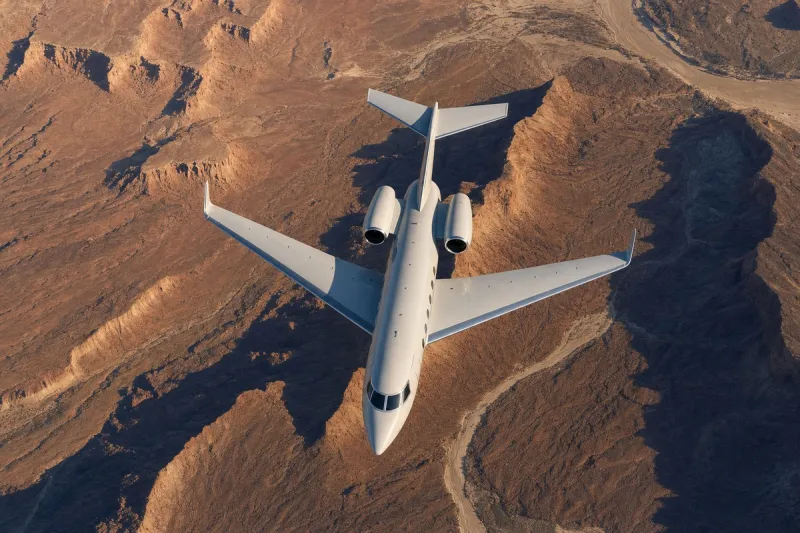
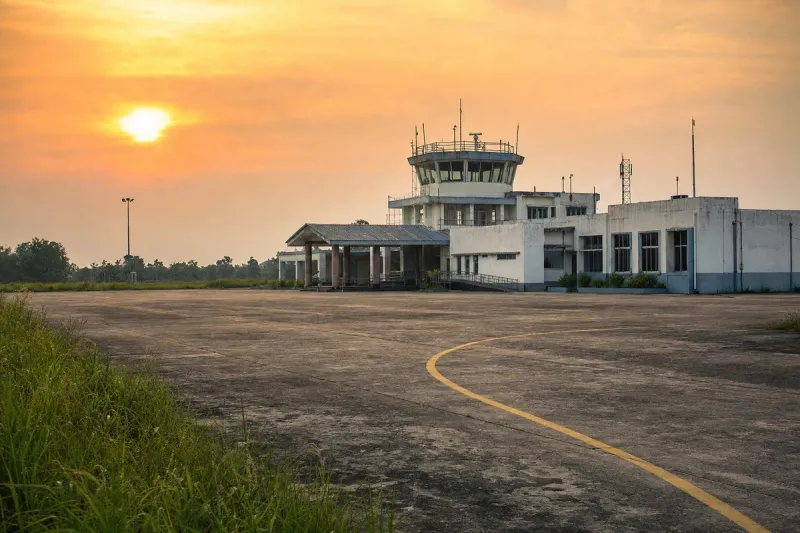
Joby Aviation's Autonomous J208 Caravan Demonstrates Technology at Portland International Airport as Oregon Stop on Electric Skies Tour
Why It MattersAutonomous cargo and emergency-response flying is being validated through state-led FAA pilot coalitions, so regulatory data from varied terrain, not aircraft capability alone, sets the pace for commercial deployment.
What happened
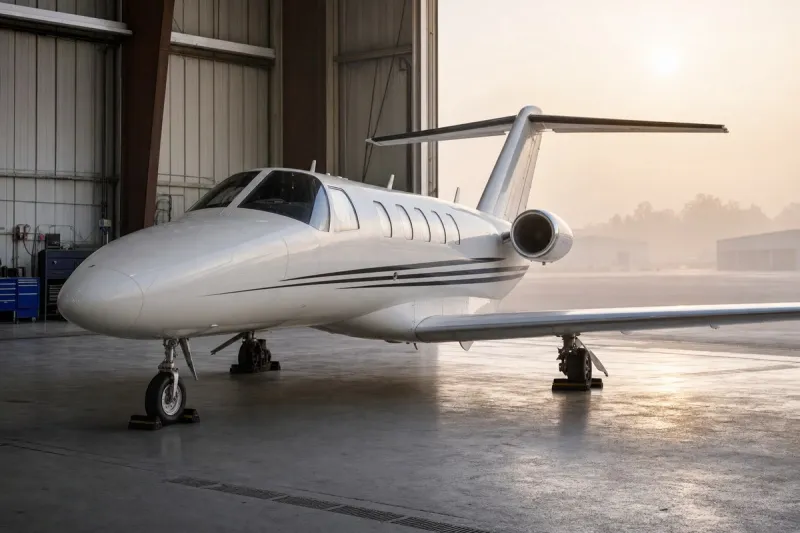
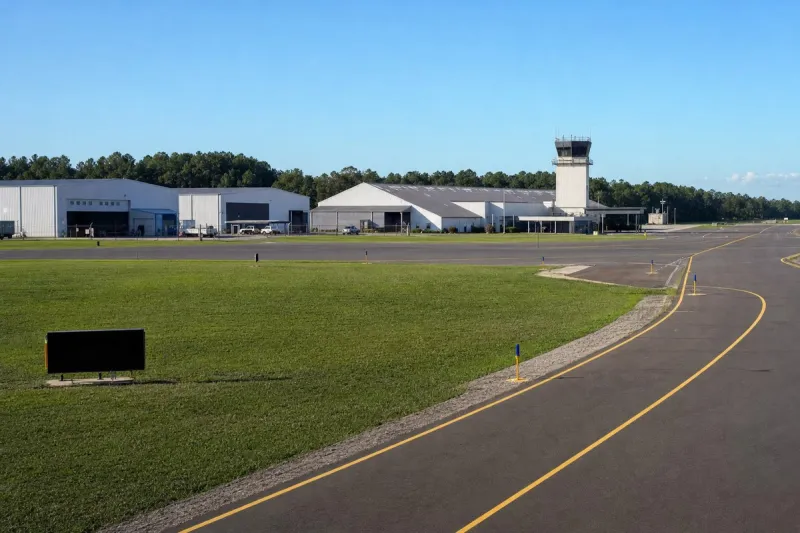
Joby Aviation's autonomous J208 aircraft visited Portland International Airport (PDX) on October 2, a stop that Joby and the Oregon Department of Aviation (ODAV) have now highlighted. At Atlantic Aviation, Joby showcased the aircraft and demonstrated its autonomy technology before departing on the final leg of its return journey to the company's California headquarters.
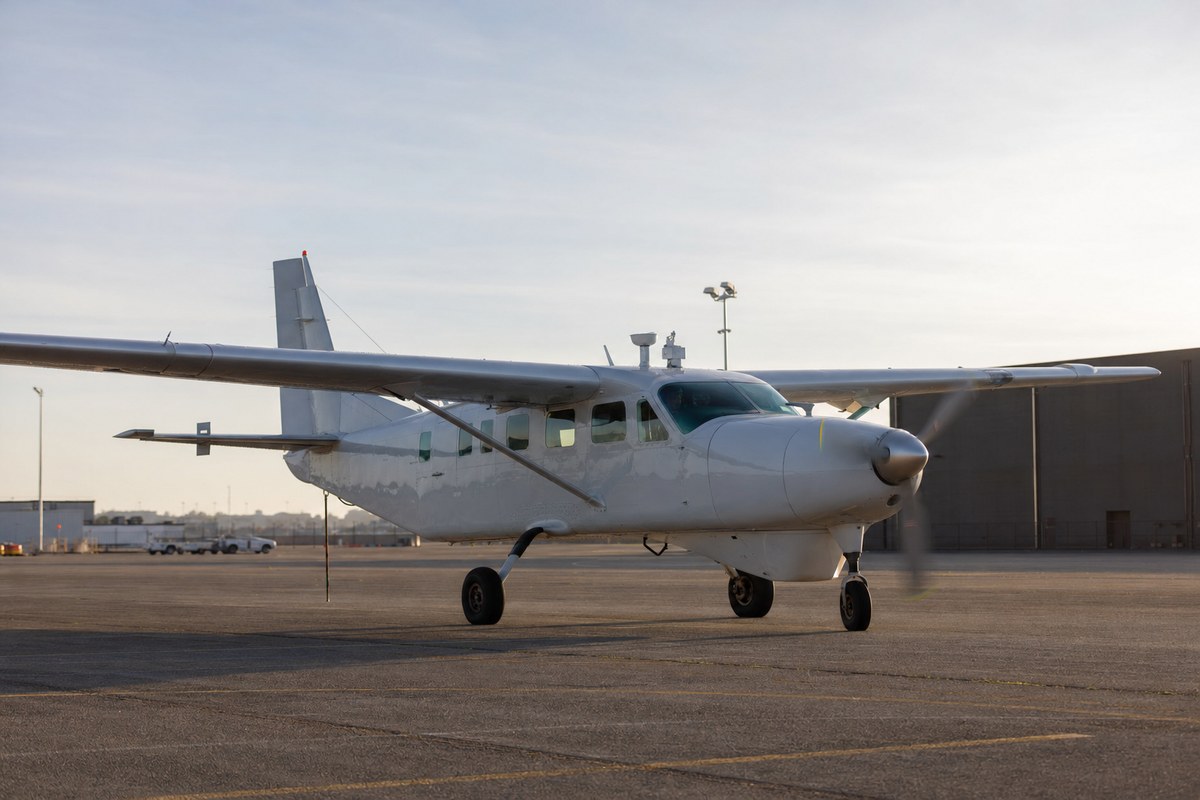
The Portland visit was the Oregon stop on Joby's 2026 Electric Skies Tour, a coast-to-coast flight demonstration. The aircraft covered 6,665 miles coast to coast and back; on the eastbound leg it flew 3,199 miles from Concord, California.
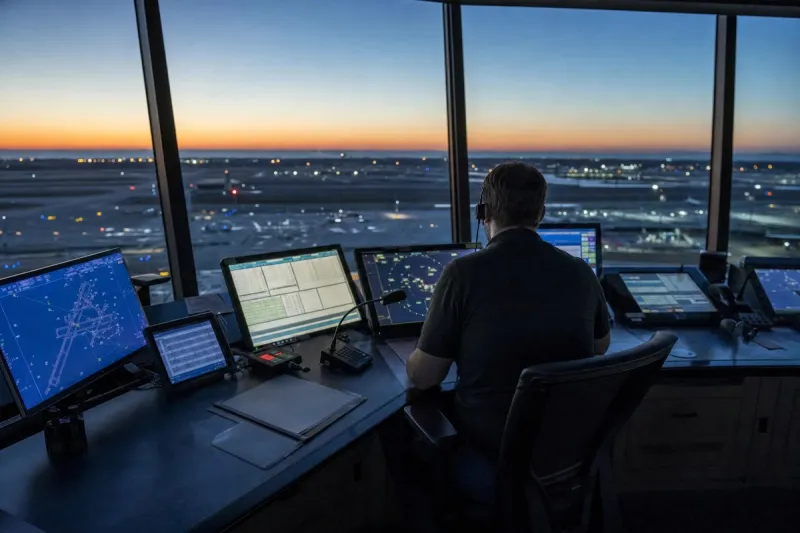
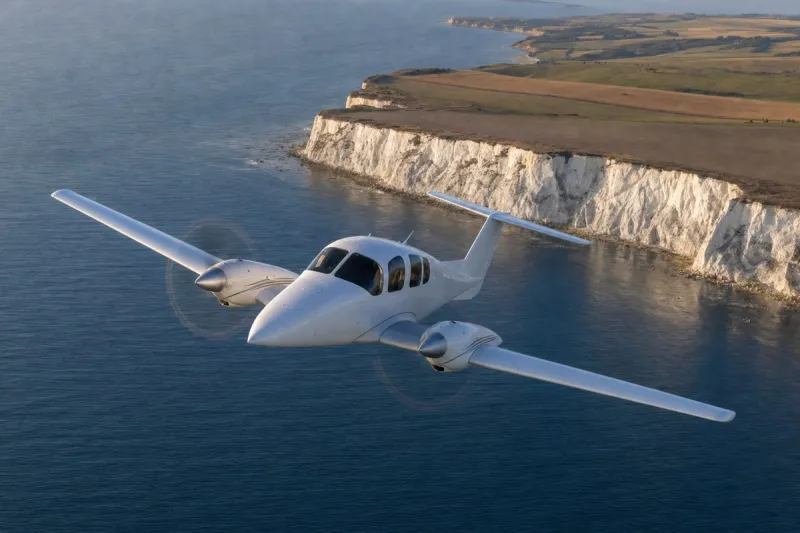
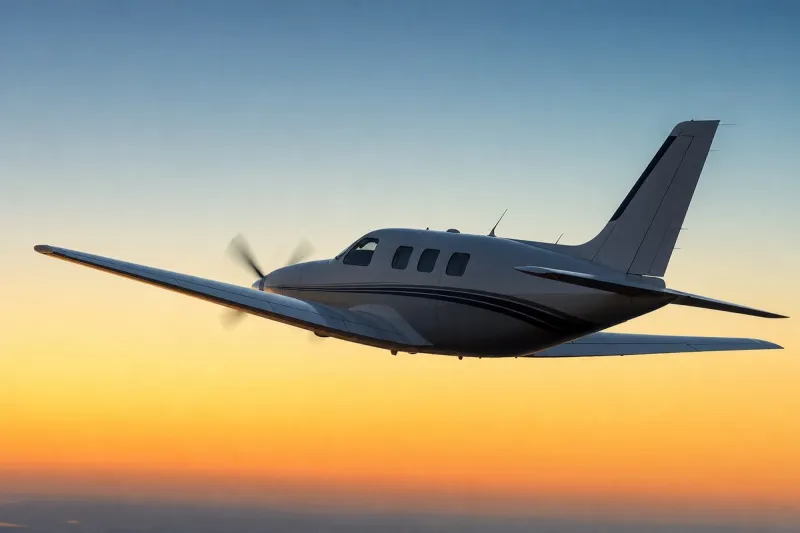
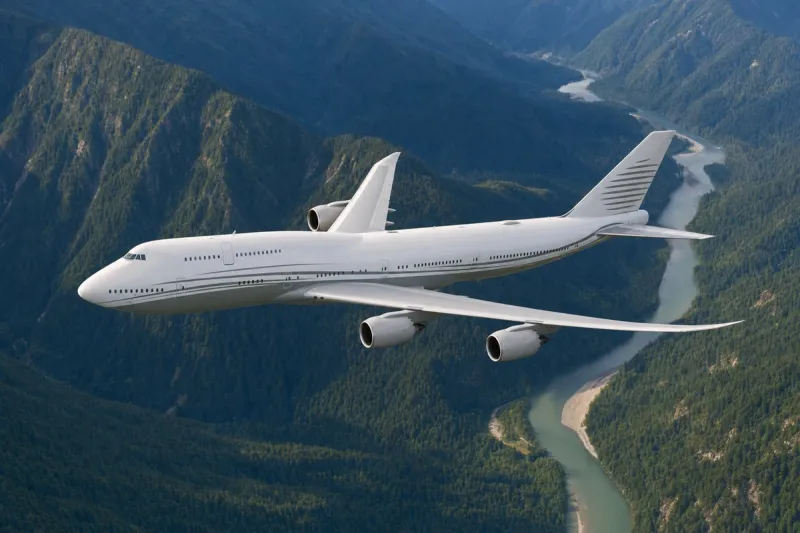
The J208 is a modified Cessna Caravan fitted with Joby's autonomous flight system, used to evaluate autonomous capabilities for commercial logistics, rural supply chains, emergency response and public service applications. Across its testing and national tour it has completed more than 400 flights and 800 automated flight hours, and has taken part in three U.S. military exercises. It operates under a supervised autonomy model in which a ground-based remote pilot serves as pilot in command, supervising the flight, updating flight paths and managing air traffic control communications.
The Portland visit showed potential Oregon uses including transporting medical supplies, moving time-sensitive cargo and supporting disaster response, in a state where mountainous terrain, long distances and seasonal emergencies can complicate ground transportation. ODAV Director Kenji Sugahara said the technology offers opportunities to connect rural communities, move critical supplies and strengthen emergency response, and that preparing for those uses requires close coordination with airports and local communities.
The FAA program behind the tour
The demonstration is tied to Oregon's participation in the State of Utah's uFLY: America's AAM Crossroads to the West coalition under the Federal Aviation Administration's eVTOL Integration Pilot Program (eIPP), which aims to speed the safe deployment of Advanced Air Mobility technologies in the National Airspace System.
Oregon is one of five states in the coalition, and the tour includes stops in Utah, Arizona, Oklahoma and Oregon. The flights generate data across diverse environments, including Oregon's coastal and mountainous airspace, to inform future FAA airspace integration policy.
Industry impact & what to watch
The J208 tour shows how autonomy for cargo and public-service flying is being proven: not through a single certification milestone but through repeated flights across different terrain, with state aviation agencies and airports acting as hosts. Oregon's mix of coastal and mountainous airspace and long distances is the kind of setting where the data the FAA wants is hardest to get from a single test range.
The supervised model matters for how this segment scales. Keeping a ground-based remote pilot as pilot in command lets operators work within existing accountability structures while the autonomy stack accumulates hours. The cited totals of more than 400 flights and 800 automated flight hours are the kind of record that regulators can examine as policy takes shape.
The next signal is how the flight data from the Utah, Arizona, Oklahoma and Oregon stops feeds into FAA airspace integration policy under the eIPP. Sugahara's point about coordination with airports and local communities indicates where the practical work sits: ground handling, airspace procedures and local acceptance, ahead of any commercial service.