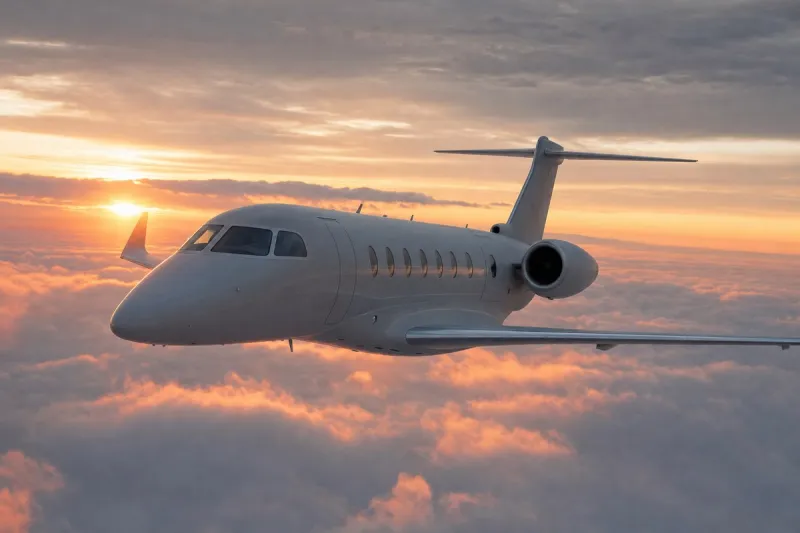
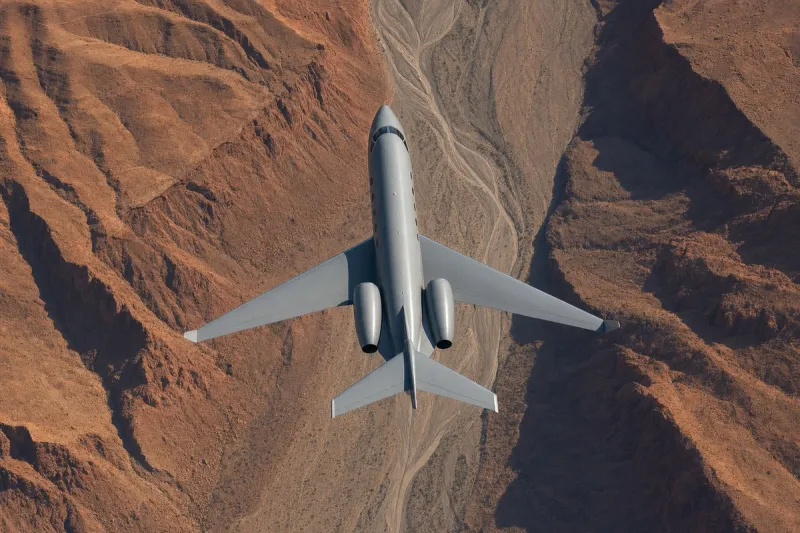
Wasatch Aero Outlines Plans for Four-Seat Twin-Turboprop Aimed at Multiengine Training
Why It MattersLight-sport rule changes that allow four seats, multiple engines and turbine power are pulling training-aircraft design toward single-to-twin commonality, though sport pilots still gain no multiengine privileges.
What happened
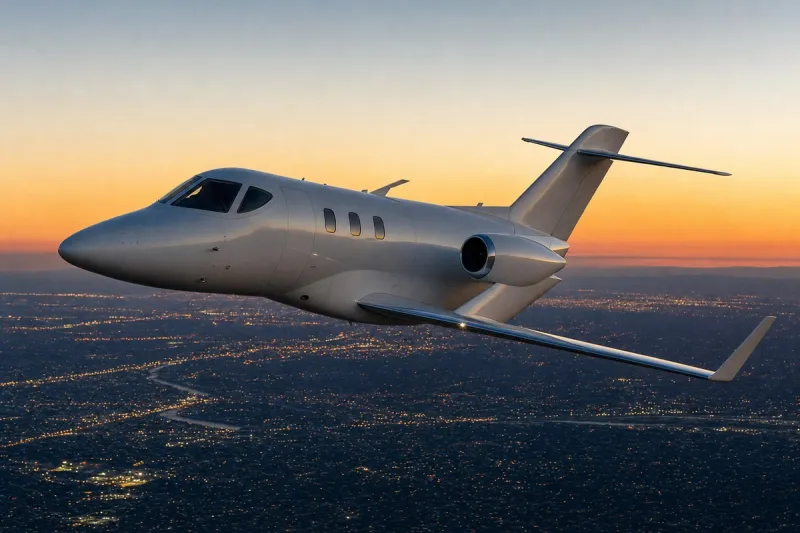
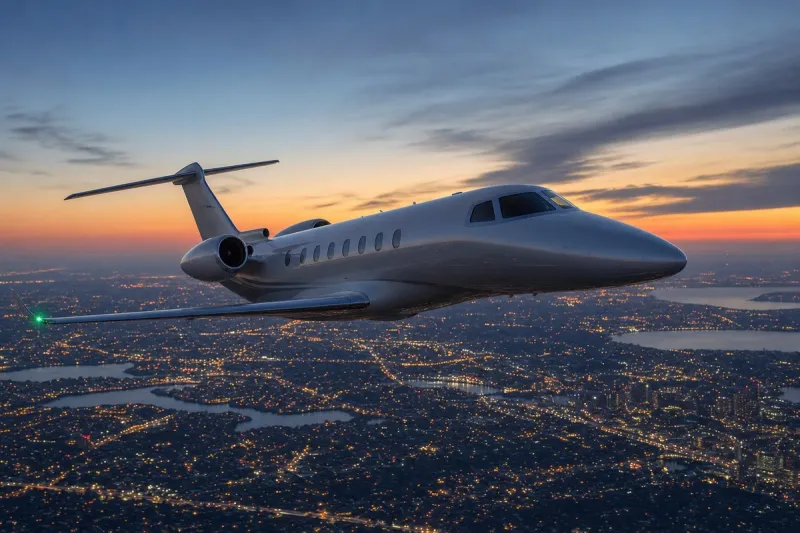
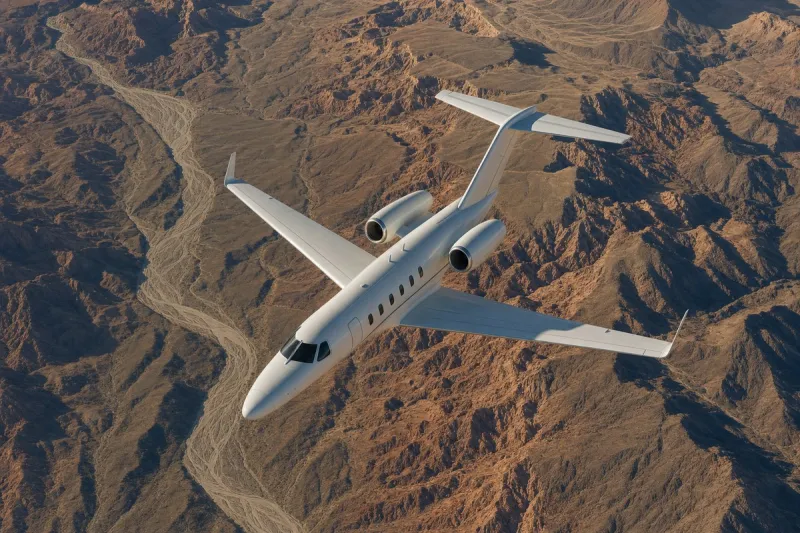
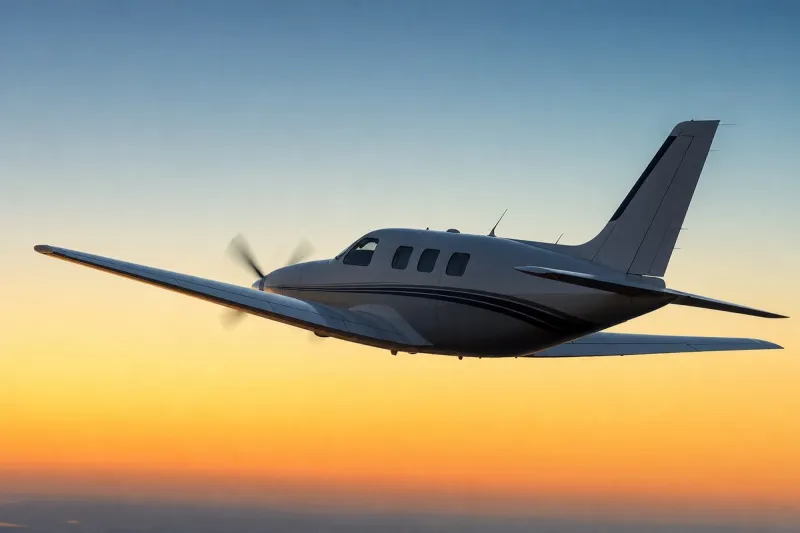
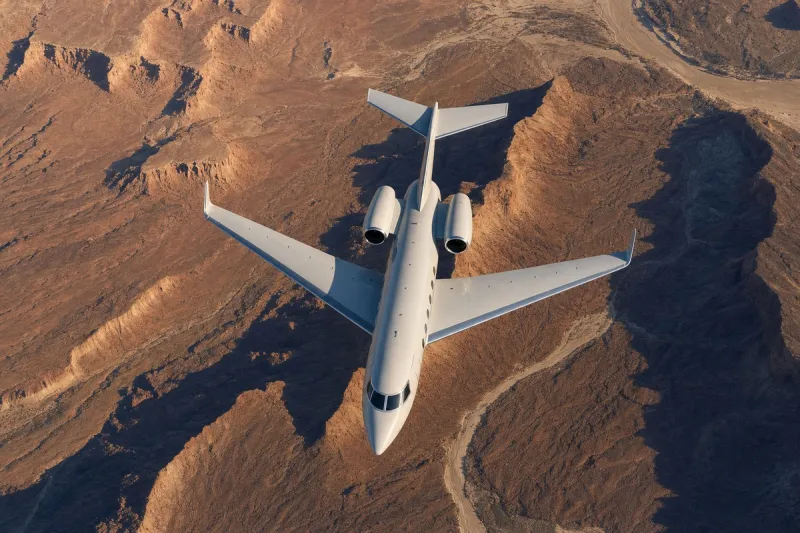
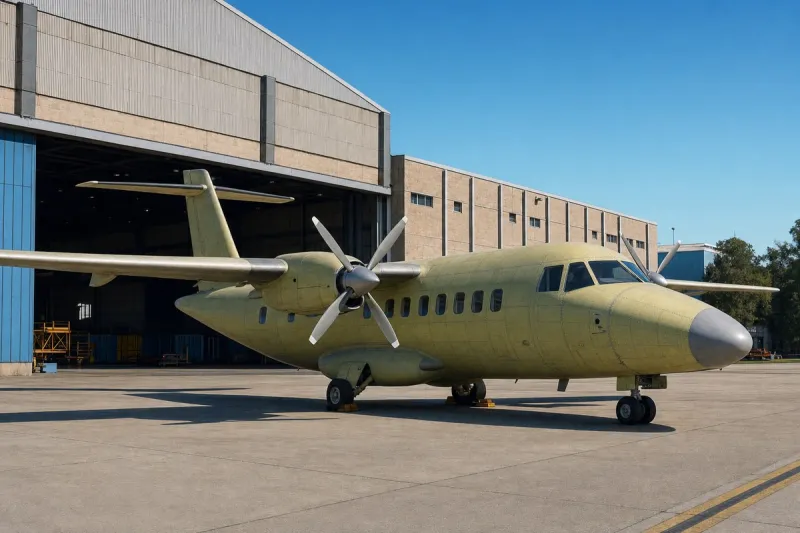
Utah-based aircraft developer Wasatch Aero has outlined plans for a four-seat, twin-turboprop aircraft designed for multiengine flight training and personal aviation. It sits in the company's development roadmap, which begins with the two-seat SD3 and the turbine-powered SD3T trainers before moving to larger aircraft.
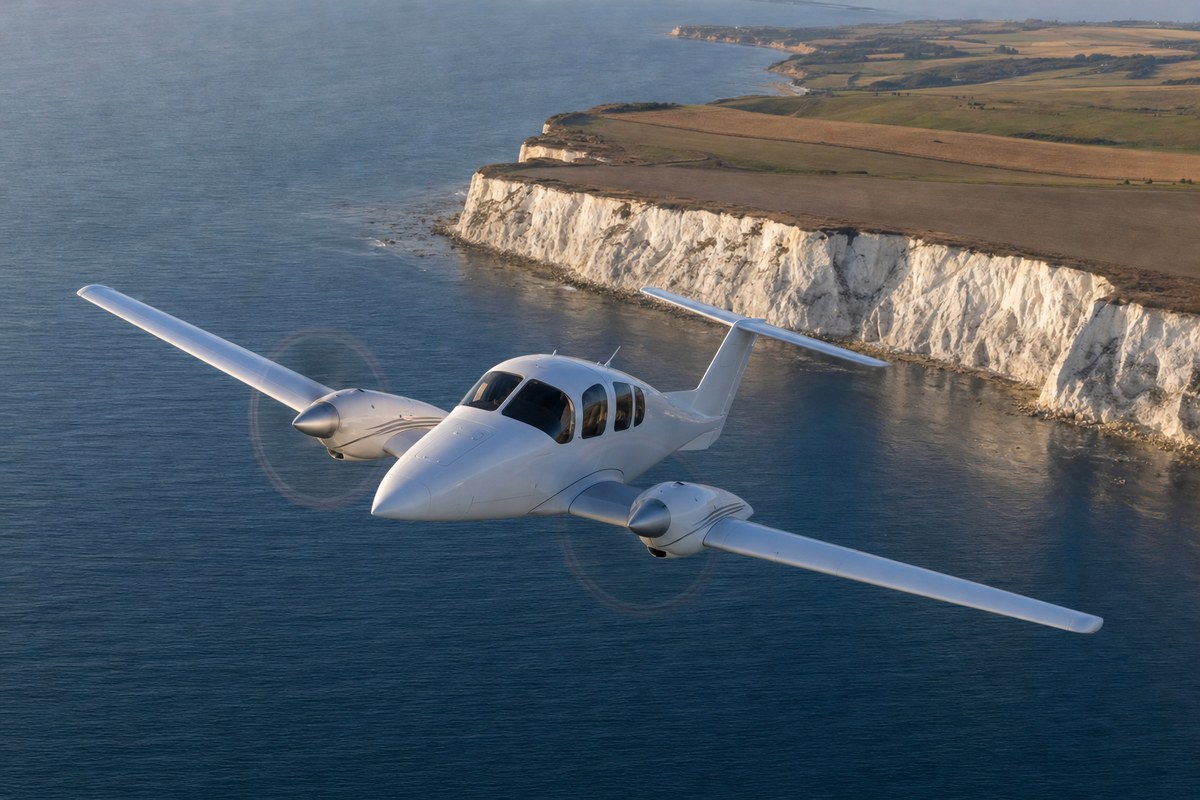
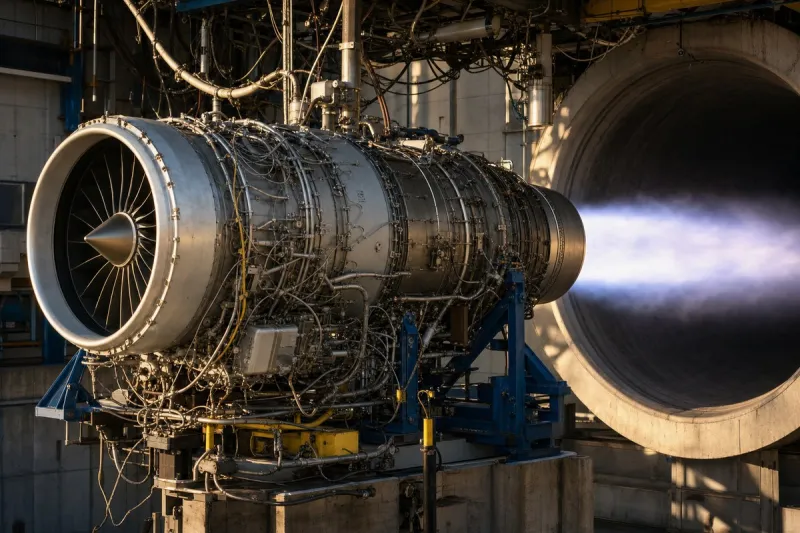
The proposed twin would use two Turbo Tech turbine engines of 148 horsepower each, the same powerplant as the single-engine SD3T. Wasatch lists preliminary targets of a 200-knot cruise speed, fuel consumption of 12 to 14 gallons per hour and a service ceiling of 23,000 feet. The aircraft remains in the design phase, and the company has not announced pricing or a delivery schedule.
Wasatch Aero said in its published roadmap: "For flight schools, that creates true fleet commonality: shared parts, familiar maintenance practices, and a more efficient path from single-engine to multi-engine training."
The aircraft is being developed as the FAA's MOSAIC rules expand certification options for light-sport aircraft. Under the revised standards, manufacturers can produce aircraft with up to four seats, multiple engines and turbine propulsion. Wasatch is targeting initial prototype flights of the SD3 and SD3T in late 2026, with anticipated deliveries in 2027. The company has not set a comparable timeline for the twin-engine model.
What the FAA says about pilot privileges
FAA aviation safety inspector Marcel Bernard said in an agency MOSAIC explanation: "While you could have a multi-engine or powered-lift aircraft certified as a light-sport category aircraft, there are no multi-engine or powered-lift privileges available to sport pilots."
Pilots would still need the appropriate higher-level certificate and a multiengine rating to operate the proposed twin.
Industry impact & what to watch
Wasatch's roadmap shows how the revised light-sport framework changes what a manufacturer can design. Once four seats, multiple engines and turbine propulsion are allowed, a trainer family can be built around one engine type, and the commonality pitch to flight schools follows directly: parts, maintenance practice and a single-engine-to-twin progression within one product line.
The limit is on the pilot side. Because sport pilots hold no multiengine privileges, a light-sport twin does not widen who can fly it. Its customer base remains pilots working toward higher certificates and ratings, so demand rests on flight schools and personal owners who already follow that path.
The dated milestone to follow is the SD3 and SD3T prototype flights targeted for late 2026, with deliveries anticipated in 2027. The twin has no comparable timeline yet, so its progress will likely trail the single-engine trainers on which it shares an engine.