EU to Close Airspace to Russian-Owned and Russian-Registered Aircraft, Sanction Russian Media Outlets
Why It MattersAirspace closures keyed to ownership and control, not just registration, extend sanctions exposure to private and business aircraft, making beneficial-ownership structures a central compliance question for operators serving Europe.
What happened
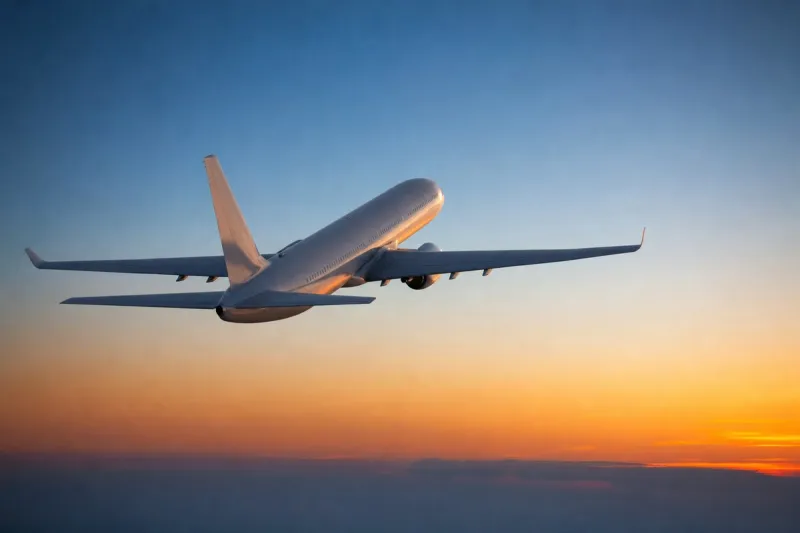
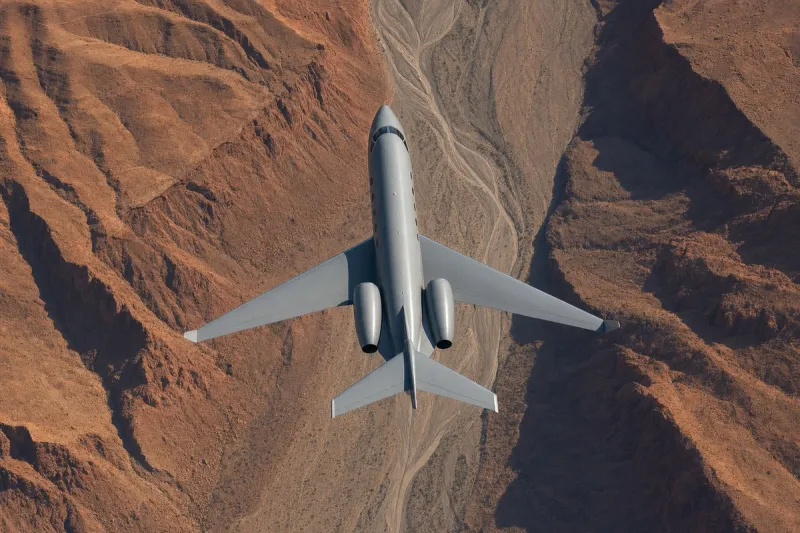
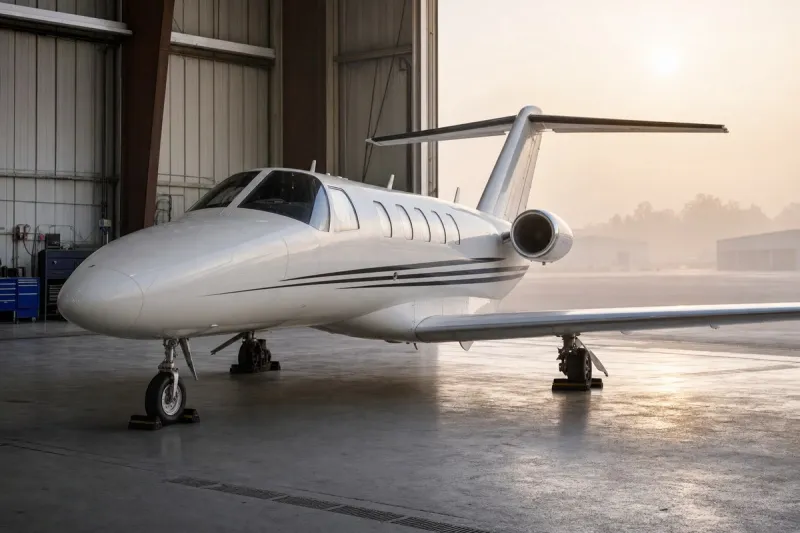
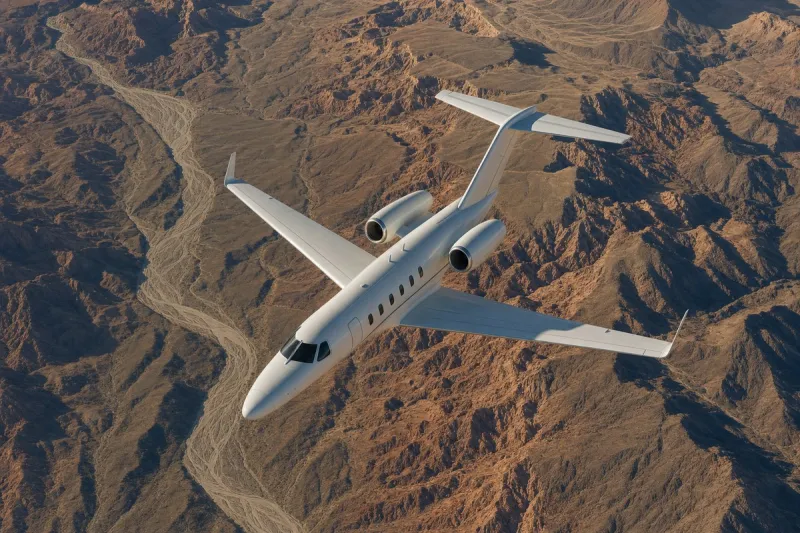
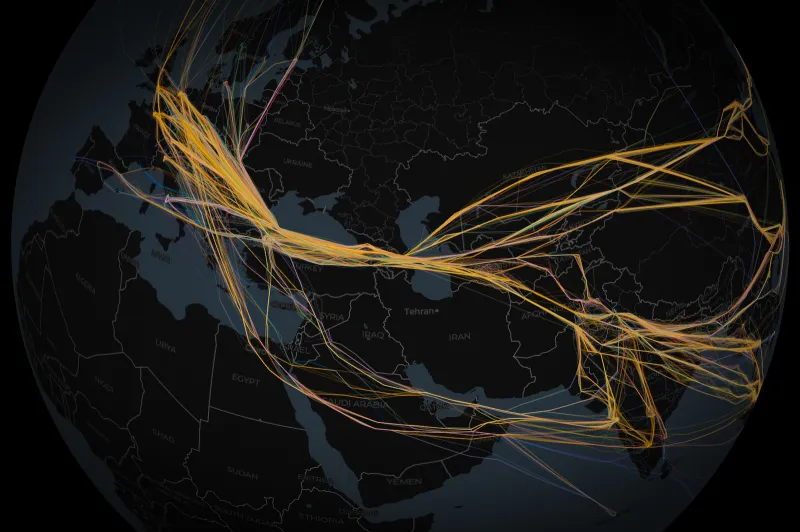
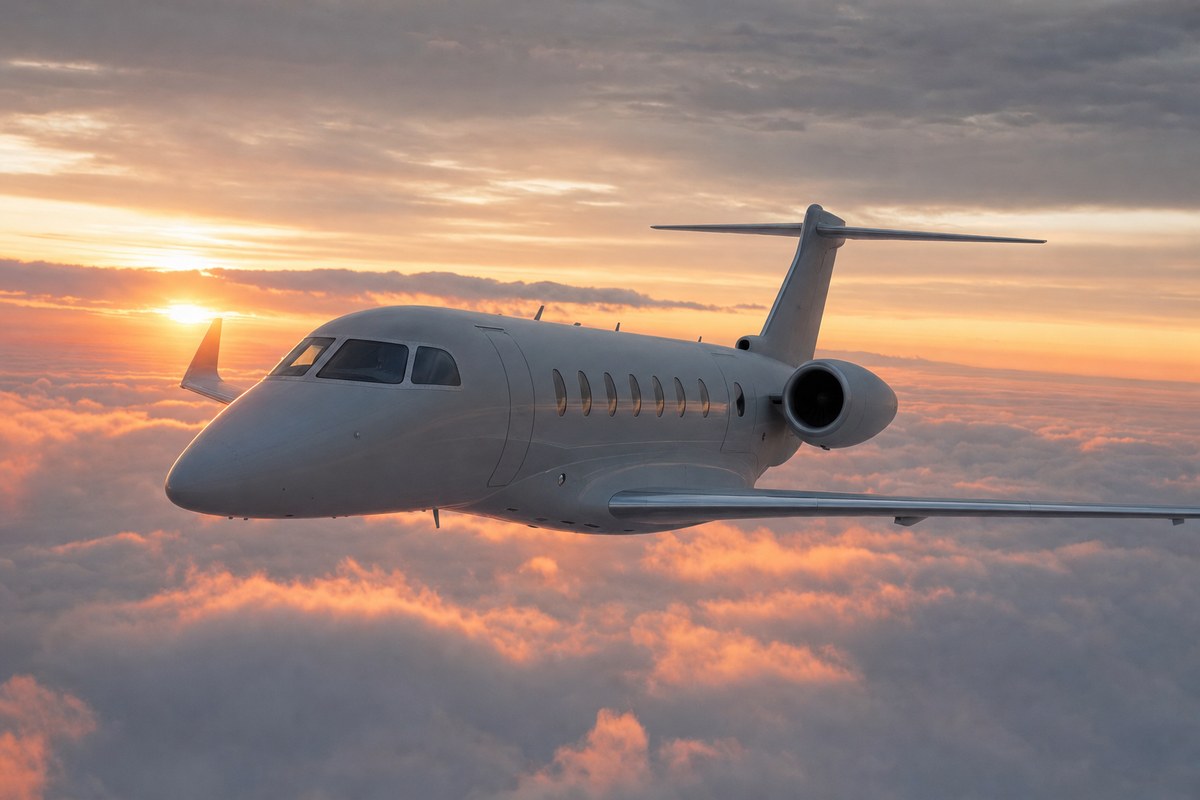
The European Union announced that it will close EU airspace to all Russian-owned, Russian-registered or Russian-controlled aircraft. The closure explicitly covers private aircraft owned by the Russian elite. The bloc's move follows similar measures adopted by a growing number of Member States in recent days.
In the same announcement, the EU said it will impose sanctions on Russia Today and Sputnik, two Russian government media outlets. The sanctions limit those companies' ability to operate in Europe.
The EU also indicated it will impose sanctions on critical sectors of the Belarusian economy. According to a statement released by European Commission President Ursula von der Leyen, the measures are designed to stop Belarusian exports of products ranging from mineral fuels to tobacco, wood and timber, cement, and iron and steel.
Industry impact & what to watch
The wording of the airspace measure matters more to business aviation than the headline closure. It reaches aircraft that are Russian-owned or Russian-controlled, not only those on a Russian register, so the test shifts from the tail number to who stands behind the aircraft. For private and corporate jets, which are often held through layered ownership vehicles, that moves beneficial ownership to the center of any decision about operating into or over EU territory.
The EU's step also consolidates what individual Member States had already been doing separately. A patchwork of national closures forces operators to plan routes country by country; a bloc-wide rule replaces that with a single standard, though the practical effect depends on how each state enforces it. Charter operators, brokers and handlers dealing with ownership structures that touch Russia will want ownership checks completed before an aircraft is dispatched, not after.
The details that would settle how far the rule bites are the legal text itself and its effective date, and how "controlled" is defined in practice. Those, along with the Belarus export measures, are the items to follow once the formal instruments are published.