Fraport Secures About €8.7 Million in German Federal Funding to Expand Electric Ground Power at Frankfurt Airport
Why It MattersPublic subsidy is shaping how airports retire diesel ground equipment, with fixed connections where infrastructure allows and mobile battery units elsewhere, while preconditioned air reduces auxiliary power unit burn at the stand.
What happened
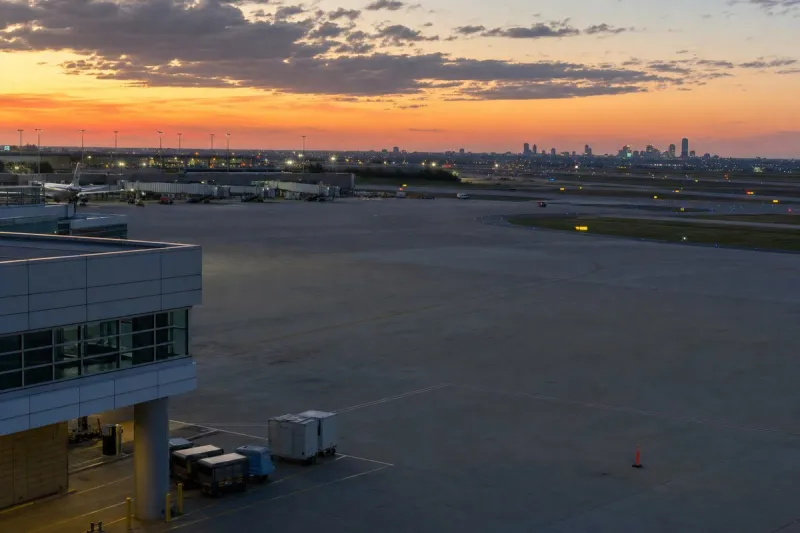
Fraport has received approximately €8.7 million in German federal funding to expand battery-electric ground power equipment and preconditioned air (PCA) systems for parked aircraft at Frankfurt Airport. The investment supports Fraport's plan to equip all 252 aircraft parking positions with either fixed ground power connections or mobile battery-electric ground power units (GPUs) by 2030, as part of a broader strategy to cut emissions from ground operations and eliminate reliance on diesel-powered equipment.
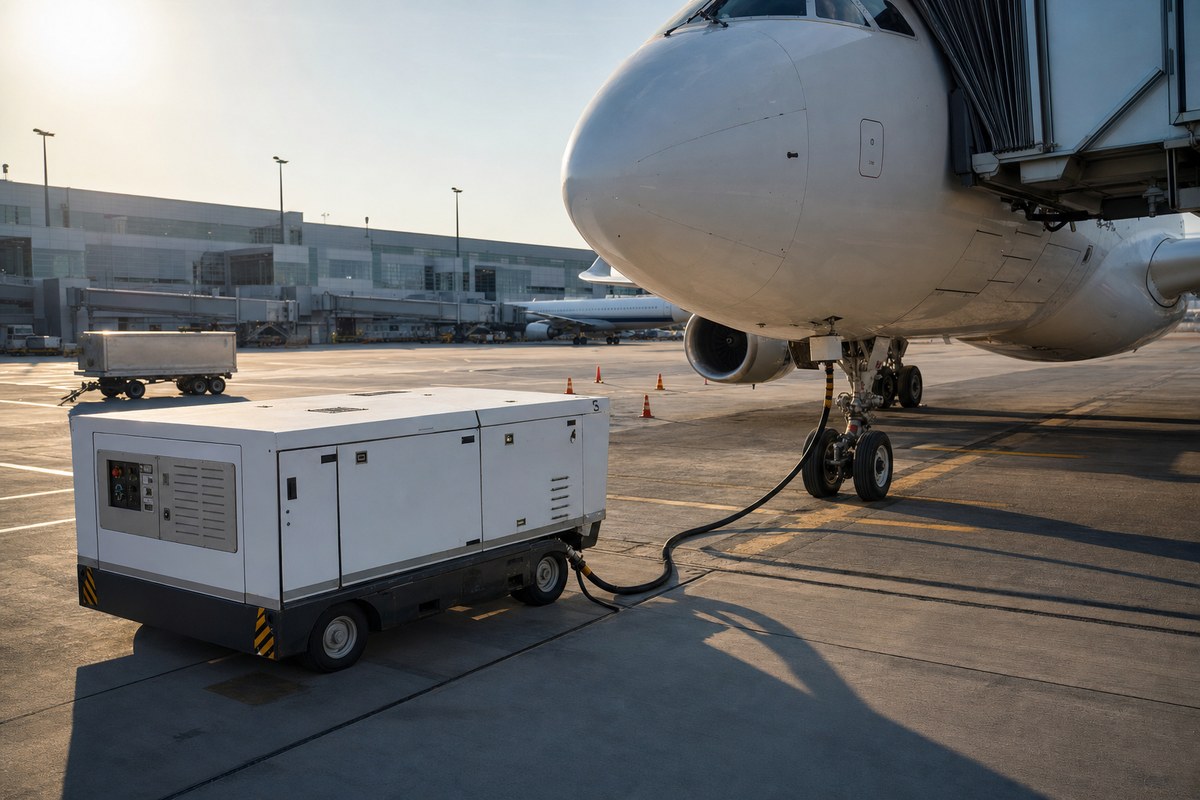
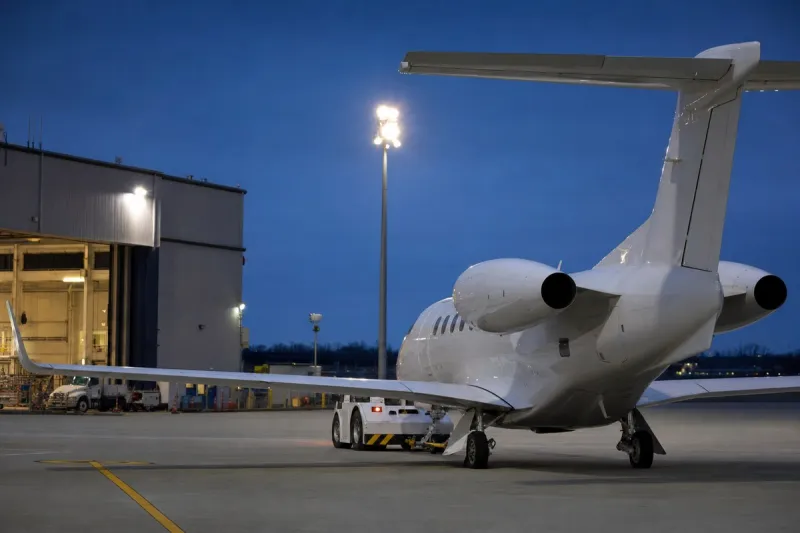
Infrastructure limitations prevent Fraport from installing stationary 400 Hz power connections at every parking position. Where fixed connections are not feasible, battery-electric GPUs will supply power to aircraft systems while the aircraft are parked. Fraport will receive €227,000 toward the purchase of two additional battery-electric GPUs, bringing its fleet to 18 units, and plans to expand the fleet to 22 units by 2029.
The larger share, approximately €8.5 million, will fund PCA systems at 18 aircraft parking positions in Terminal 1's Concourse A by 2029. Two positions in the concourse are already equipped with PCA technology. These systems deliver conditioned air directly into aircraft cabins, reducing the need to run fuel-burning auxiliary power units (APUs) for cabin heating and cooling while aircraft are parked.
The funding comes through Germany's Ground Power Directive program, administered by the Federal Ministry of Transport, which supports alternative technologies for more environmentally sustainable ground power at airports. The upgrades form part of Fraport's Net Zero Master Plan, which includes approximately 2,000 measures. Fraport targets annual greenhouse gas emissions at Frankfurt Airport of 50,000 metric tons of carbon dioxide equivalent by 2030, and net-zero Scope 1 and Scope 2 emissions across its fully consolidated operations worldwide by 2045.
Industry impact & what to watch
Ground power and cabin conditioning are among the more tractable sources of airport emissions, because the equipment sits under the airport operator's control rather than the airline's. Programs like Germany's Ground Power Directive show how public money can tilt the economics toward electric supply at the stand, where the alternative is a diesel generator or an aircraft running its own APU.
The split in this case is instructive for the segment. Fixed 400 Hz connections are the cleaner option, but where infrastructure does not allow them, mobile battery units fill the gap, which means a mixed fleet of fixed and mobile equipment is likely to be the practical norm at older terminals. Most of the money here goes to PCA at 18 positions rather than to the power units themselves, reflecting how much APU runtime is tied to cabin heating and cooling.
The next dated markers are the stated ones: 22 battery-electric GPUs by 2029, PCA at all 18 Concourse A positions by 2029, and full coverage of the 252 parking positions by 2030.