ANAC Moves to Curb Black Market for Private Jet Slots at São Paulo's Congonhas Airport
Why It MattersSecondary trading in scarce executive-aviation slots shows that a constrained airport turns access itself into a tradable asset, which pushes regulators toward policing ground-handling bookings rather than only the slot allocation system.
What happened
Brazil's National Civil Aviation Agency (ANAC) will introduce an initial package of measures to curb the black market for slots, the takeoff and landing time windows, for private jets and air taxis at Congonhas Airport in São Paulo. ANAC President Tiago Faierstein told Valor that the regulator found slots being traded for between R$5,000 and R$20,000 per window. The collegiate board approved the measures last Friday (9), and they are expected to take effect on Thursday (15), when they are published in the Federal Register (DOU).
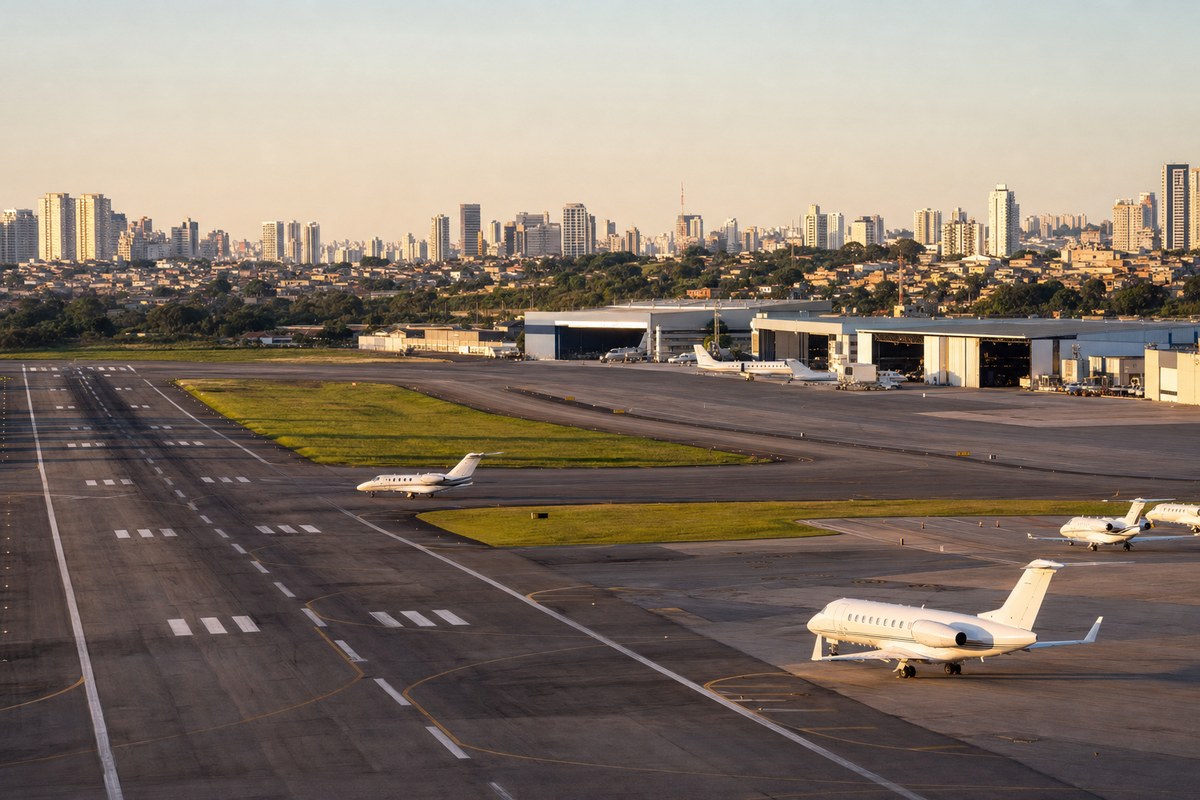
Faierstein said the secondary market for executive aviation slots at Congonhas had been growing rapidly. People initially used bots to grab slots and resell them, but even with the bots out of the picture, people continue to spend their time securing slots to resell. Valor first reported the existence of a black market involving bots in December 2025.
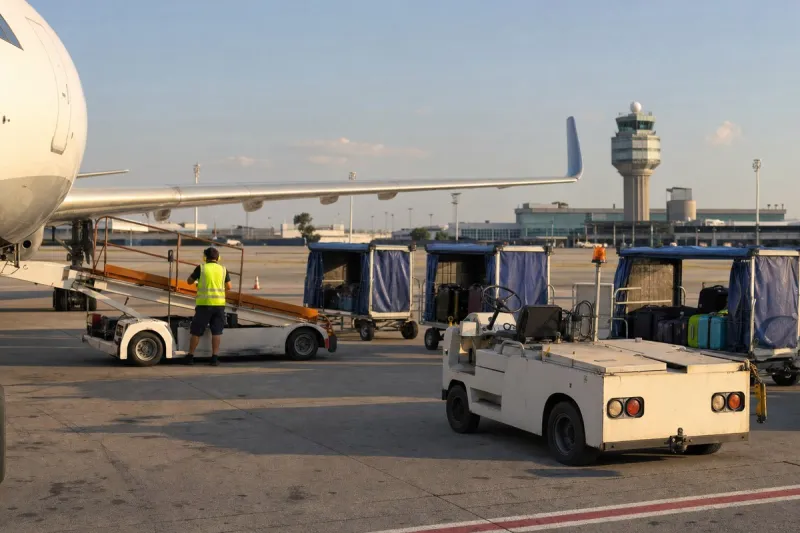
One measure requires executive flights to arrange services in advance with an FBO (fixed-base operator), a provider of ground services for business aviation responsible for maneuvering and storing aircraft after landing. Congonhas has no apron for parking private aircraft, so they must use an FBO. Faierstein said ANAC found that 60% to 70% of FBOs are hired at the hangar door. Under the new rule, an aircraft that lands without a booked FBO can be fined. He said there are only four FBOs at the airport, which gives the agency greater control.
Another measure will reinstate so-called "opportunity slots," which become available during periods of low runway usage, for example when a commercial flight is canceled. These had been temporarily suspended. Increasing the supply of slots is intended to reduce the value of those sold on the black market.
Decea, operators and the second package
Executive aviation operators had themselves criticized the parallel trading of slots because it makes it harder to secure time windows for their clients' aircraft. Slot management is handled by the Department of Airspace Control (Decea), an agency under the Ministry of Defense.
When Valor reported the black market late last year, sources criticized Decea's management and the number of authorizations granted to private jets, and cited a lack of transparency. Faierstein said the system itself was not the problem and that those criticisms were unfounded.
ANAC is preparing a second package of measures, expected to be announced later this year, which would involve improving oversight systems, creating additional systems and increasing communication with FBOs, in coordination with Decea. Aena, which operates Congonhas Airport, declined to comment on the new rules.
Industry impact & what to watch
At an airport where demand for a fixed number of movements exceeds supply, the right to a time window acquires a market price regardless of how the allocation system is designed. The R$5,000 to R$20,000 range ANAC cites shows that business-aviation access to Congonhas is being priced by scarcity, with intermediaries capturing value that operators and their clients would otherwise not pay to third parties.
The FBO requirement is notable for where it applies pressure. With only four FBOs and no apron for parking private aircraft, ground handling is a chokepoint the regulator can actually observe, which is a different lever from policing the slot allocation itself. Reinstating opportunity slots works from the supply side: more windows in circulation should lower the resale value of those sold on the black market.
The first signal of whether this works will be the Federal Register publication on Thursday (15) and the enforcement of fines on aircraft landing without a booked FBO. The second package, due later this year and coordinated with Decea, is where oversight systems and FBO communication would be tested.