Tripura Moves to Restart Flights at Kailashahar Airport After 35 Years Under UDAN Scheme
Why It MattersReopening a long-dormant regional airport under UDAN hinges on airline appetite and infrastructure readiness, and a signed agreement among the parties does not guarantee that a commercial route will actually follow.
What happened
The Tripura government is taking steps to restart flight operations at Kailashahar Airport after a gap of 35 years. The airport is located in Tripura's Unakoti district and has remained non-operational for scheduled commercial flights for more than three decades. The state plans to revive it under the Central Government's UDAN regional connectivity scheme.
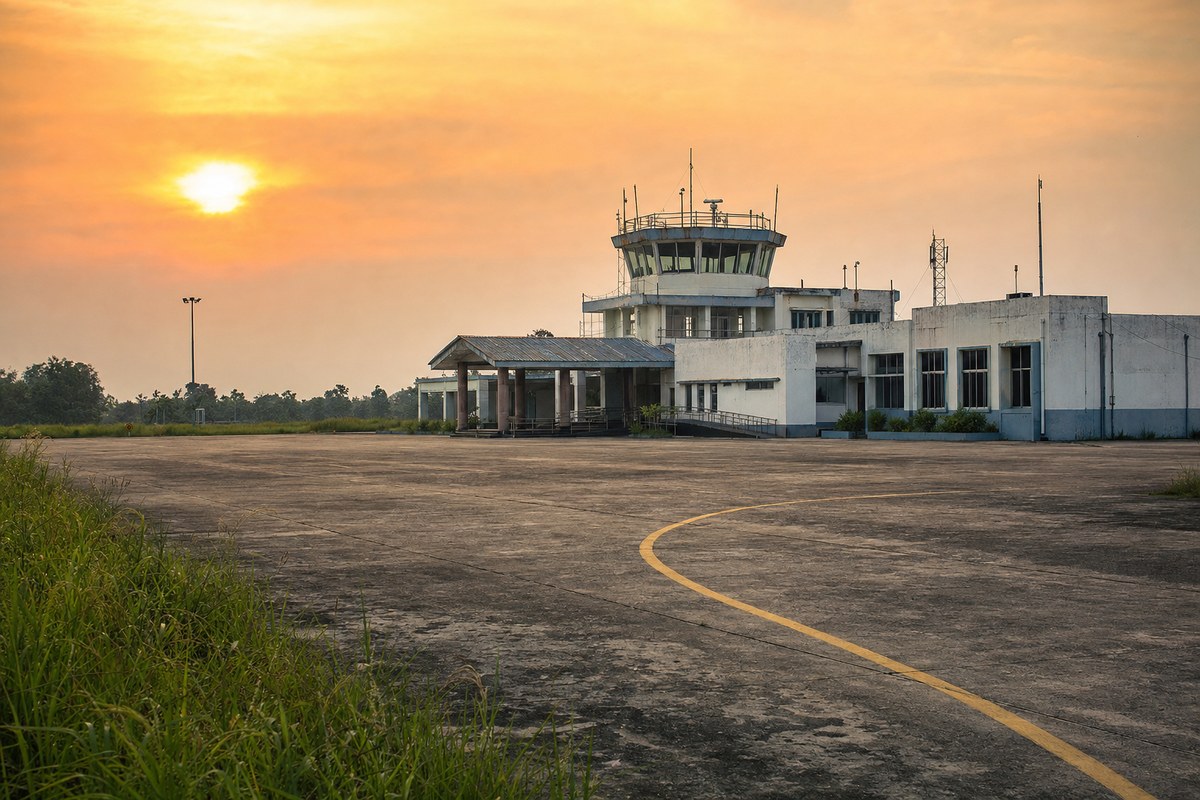
The stated aim is to improve air connectivity in northern Tripura and support regional development, with possible benefits for residents, businesses and tourists, including less dependence on long road journeys. During a review meeting, the Chief Minister also stressed the need to increase state revenue alongside the proposed resumption of air services.
A tripartite memorandum of understanding involving the Tripura government, the Ministry of Civil Aviation and the Airports Authority of India was reported on September 22, 2026, as part of the revival effort. The agreement does not by itself confirm that the airport is ready to resume commercial passenger operations.
The UDAN scheme, introduced by the Government of India, seeks to make regional air travel more accessible and connect smaller cities and underserved areas to the national aviation network by supporting airport development. The Tripura government has not announced an official date for restarting commercial flights, and as of October 14, 2026, no confirmed commercial airline, passenger route, ticket price or flight launch date has been identified.
Industry impact & what to watch
Revivals of dormant regional airports tend to move in stages: a political commitment, an agreement among the government bodies involved, infrastructure and approvals work, and only then an airline decision. Kailashahar sits at the second stage, where the paperwork exists but the operational pieces do not yet. For a scheme like UDAN, the airport and the airline have to line up, and the state can influence only one of them directly.
Timing will turn on four things: infrastructure readiness, operational approvals, airline interest and the type of aircraft suited to the airport. The last two interact. A carrier weighing a thin regional route will look at what the runway and terminal can handle before committing aircraft, and the aircraft choice in turn shapes seat counts and fares on offer.
The signals that would settle the question are an airline naming Kailashahar as a destination, an announced route, and a published start date. Until one of those appears, the airport's return to scheduled service remains a stated intention.