Daher Says TBM Turboprops Gain Charter Use as Kodiak Draws Small-Airline Interest
Why It MattersSingle-engine turboprop charter is emerging as a low-cost alternative to light jets on sub-1,000-mile sectors, and a U.S. assembly line suggests manufacturers expect that demand to persist.
What happened
Daher Aircraft says the operating roles of its TBM and Kodiak turboprops are widening. Michel Adam de Villiers, the company's vice president of sales, said the TBM series, typically sold to owner-operators for business and recreational use, is increasingly flown on charter. The rugged, unpressurized, short-takeoff-and-landing-capable Kodiak series, favored by government agencies, is becoming more attractive to small airlines.
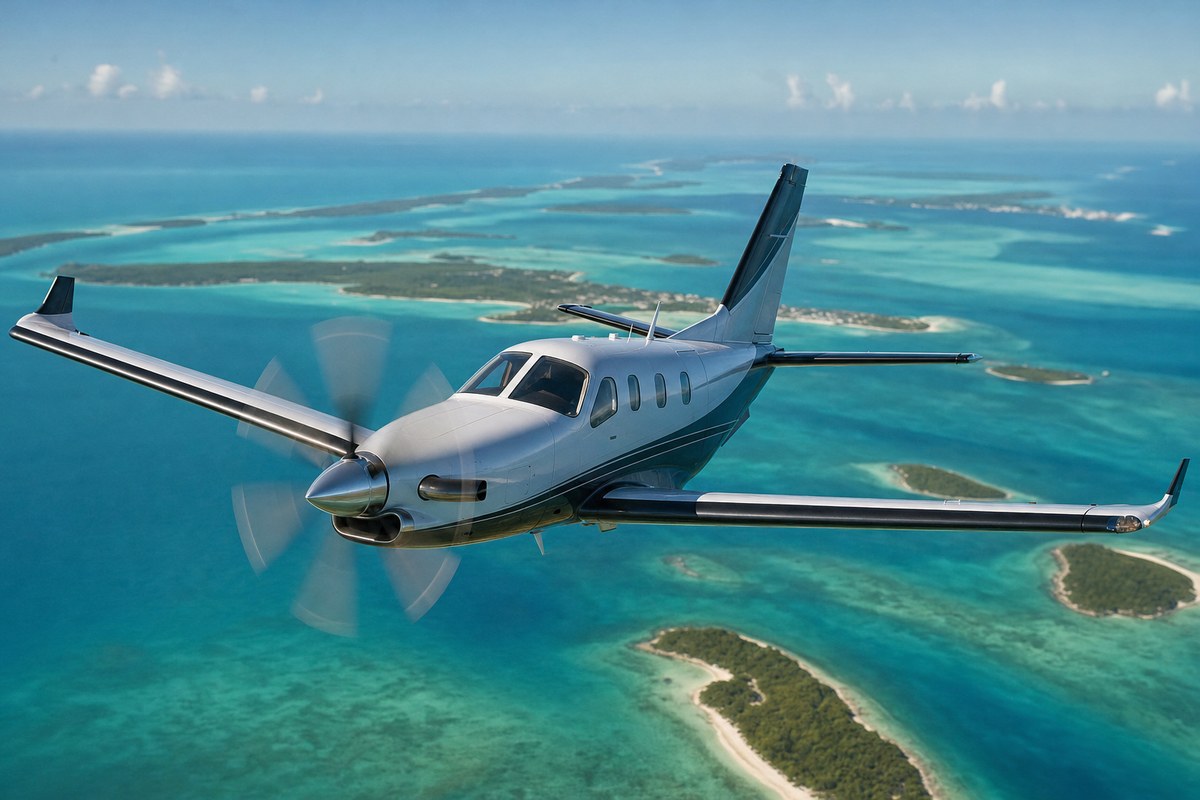
Daher markets the TBM line, which it acquired from Socata in 2014, as the world's fastest single-engine turboprop, with a maximum cruise speed of 330 KTAS and a maximum range of 1,730 nm in its latest iterations. De Villiers said that with higher fuel costs, a TBM burning about 60 gal. per hour costs less than half as much as a light jet. He called the aircraft attractive for small charter flights of just under 1,000 mi. and said TBMs can be chartered from many operators for about $2,000 per hour. The aircraft seats two pilots and one to four passengers.
Daher unveiled the latest TBM, the TBM 980 with the Garmin G3000 Prime avionics suite, on Jan. 15 at its Tarbes, France, production facility. The TBM 980 and the in-production TBM 960 use 895-shp Pratt & Whitney Canada PT6E-66XT engines with Hartzell five-blade composite propellers. As of mid-October, Daher had delivered 39 TBM 980s from Tarbes.
Charlottesville, Virginia-based Little Hawk Logistics, founded by Eric Walden, has flown TBM charters since March 2015 under the Part 135 certificate of its partner, 45 North Aviation. It operates two TBM 900s and a TBM 910 from Charlottesville-Albemarle Airport (CHO) and Scottsdale Airport (SDL). The 2017-model TBM 910 entered revenue service in July 2026, allowing Little Hawk to launch on-demand service from SDL in October. According to Daher, Little Hawk's TBMs have carried 6,500 passengers and served more than 500 U.S. airports.
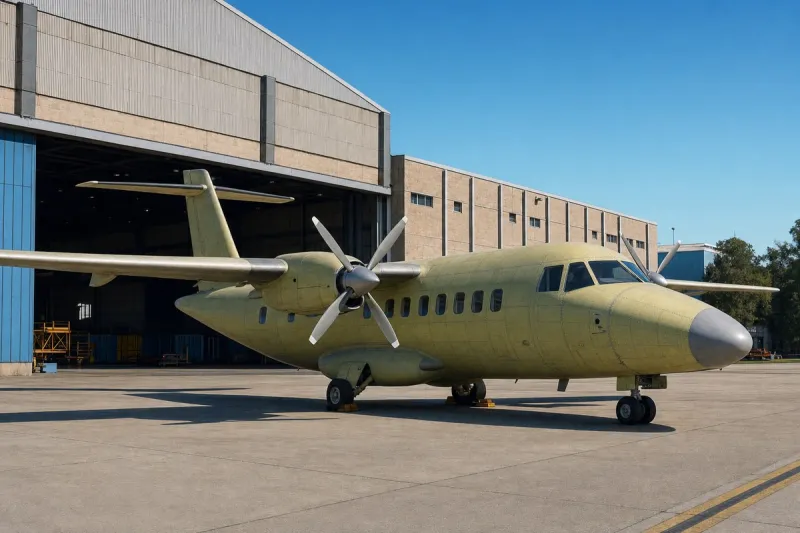
On the Kodiak side, de Villiers said the aircraft's ability to land at small airports and unprepared surfaces appeals to small carriers, particularly in South America, flying passengers from outlying airfields to larger commercial airports. Daher acquired Kodiak from Quest Aircraft of Sandpoint, Idaho, in 2019, introduced the Kodiak 100 Series III in 2021 and the larger, faster Kodiak 900 in 2022, and delivered the 400th Kodiak, a Kodiak 100 Series III, on July 29, 2026. The 1,129-nm-range Kodiak 900 has a fuselage 3.9 ft. longer than the Kodiak 100, enabling a double club cabin configuration.
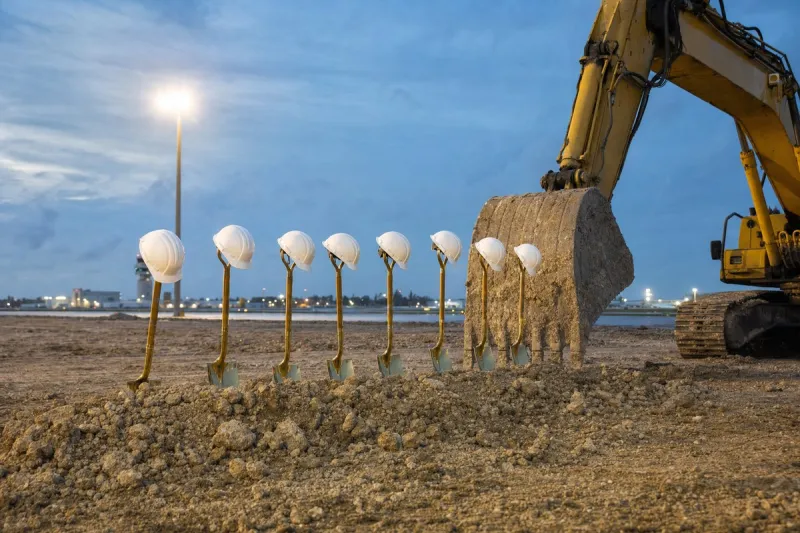
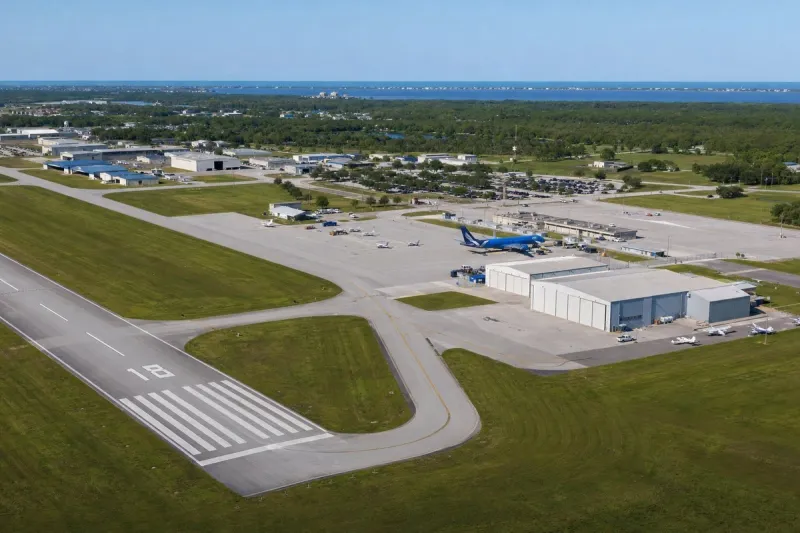
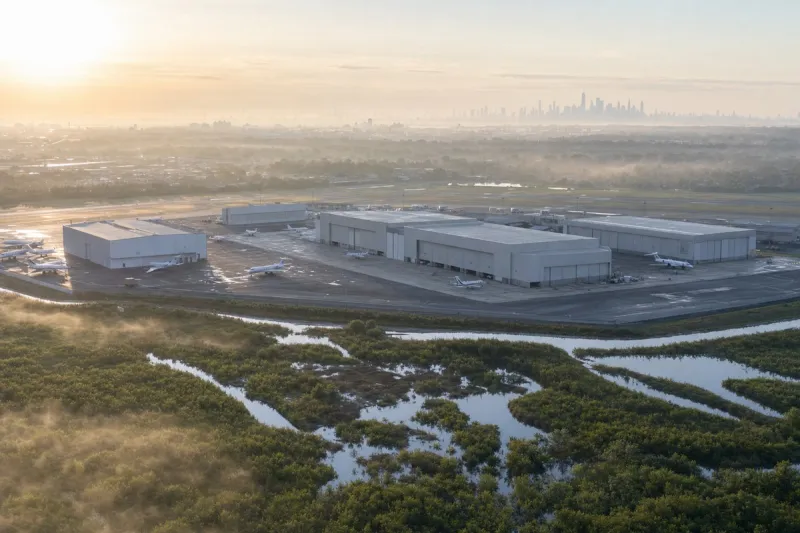
Daher counts about 1,000 TBMs and 280 Kodiaks operating in the U.S. It broke ground in July on a third final assembly line at Witham Field in Stuart, Florida, collocated with its aerostructures plant. The plant remains on track to begin operations in 2027 and will initially assemble TBM kits sent from France. The TBM 980 and Kodiak 900 will be displayed at NBAA-BACE.
Industry impact & what to watch
The charter angle is built on trip economics. A turboprop burning about 60 gal. per hour at roughly $2,000 per hour of charter competes with light jets on short sectors, and fuel prices widen that gap. For a segment that sells mostly to owner-operators, third-party charter adds utilization and gives prospective buyers a visible revenue-earning example. Little Hawk's route into the market, flying under a partner's Part 135 certificate, is a common way for small operators to start without holding their own certificate.
The Kodiak story points to a different market. Unpressurized, short-field aircraft serve routes where the alternative is a long surface journey or no service, which is why regional carriers in places such as South America fit the profile. Those buyers evaluate payload, runway tolerance and maintenance support rather than cruise speed.
For Daher, the Stuart, Florida line is the next concrete milestone. It is scheduled to start operations in 2027 and will initially assemble TBM kits shipped from France, so the first indication of U.S. production volume will come from how quickly it moves past that kit-assembly stage.