Chartright's Adam Keller Details Fleet Growth to About 45 Aircraft, US MRO Entry and Hangar Expansion
Why It MattersCharter operators are pushing into maintenance, hangars and FBOs to control costs and capacity, while demand drifts from hourly charter toward subscription-style programmes that compete on predictability.
What happened
Adam Keller, who became a private pilot in 1983, said Chartright has grown from three aircraft 23 years ago to about 45 today. Before Chartright he built and sold the Ontario air ambulance operator Samaritan, which reached around 15 aircraft and became Ontario's largest air ambulance provider before he sold it when the province launched its own service. After completing an MBA and consulting, he took on a project for Chartright.
Keller said Chartright is not Canada's largest fleet but is the country's largest provider of private jet charter. About 80 percent of the fleet is owned by other people under management. Roughly 80 to 85 percent of its flying is southbound into the United States, the islands and South America, while perhaps 10 to 12 percent is east-west, within Canada or transatlantic and transpacific. The company produces around 3,000 quotes a month.
On maintenance, Chartright began US maintenance about a year ago with a mobile repair team in Florida serving Chartright and other mostly Canadian operators. Keller said the company is working with a partner on a Part 145 repair station that he expects to be running by the second quarter of next year.
Keller compared a Toronto-London trip that takes about ten hours commercially, including around two hours of pre-boarding and another hour to clear, with just under seven hours on a Global 8000, which is designed to reach Mach 0.95. He cited Starlink connectivity and cabin privacy as key advantages. On ownership, he said that at about 50 hours a year chartering makes sense, while at 250 hours ownership amortises fixed costs, and noted that Canada's Prime Minister announced 100 percent accelerated depreciation at the time of purchase two days earlier, matching the United States.
Pilots, AI and the next two years
Keller said pilots with under 2,000 hours face difficulty, while those above that can move into Chartright jets and progress over three or four years. He sees AI's near-term value in administrative work such as quoting.
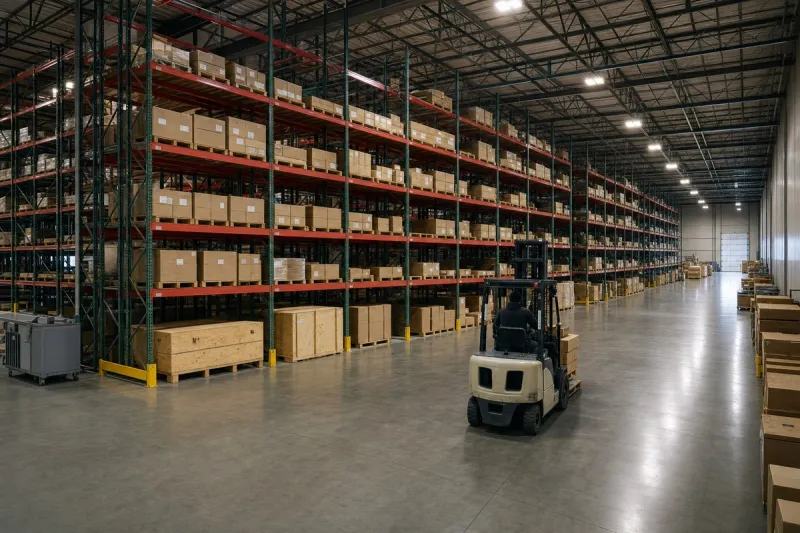
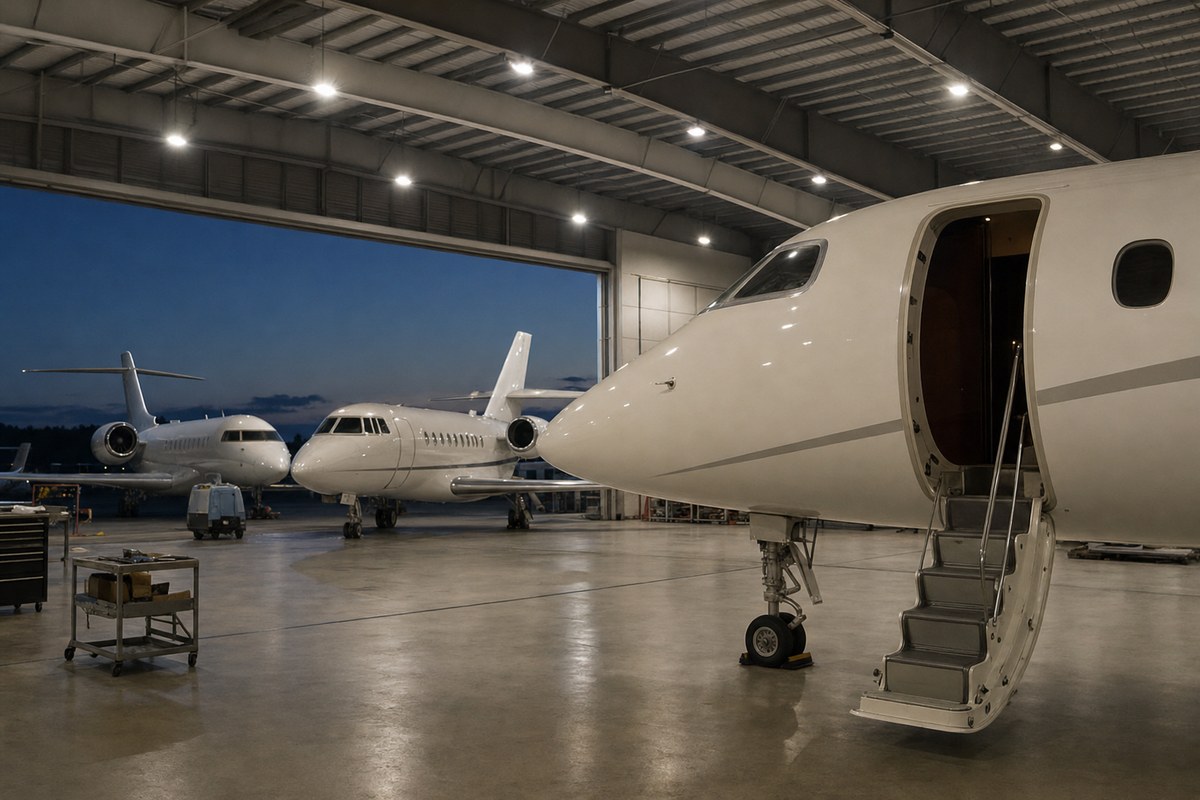
His priorities for the next two years are vertical integration of the supply chain, including buying and building hangars and FBOs, with growth in smaller communities. He also described a shift in buying behaviour from hourly charter toward subscription-style programmes such as NetJets, Flexjet and AirSprint.
Industry impact & what to watch
A charter business built mostly on managed aircraft owned by others depends on keeping those aircraft available, maintained and positioned. Moving into its own repair capability, hangars and FBOs is a way to shorten that chain, and it matters most in a market where most flying heads south across the border, so US-based maintenance sits close to where the aircraft actually operate.
The shift Keller describes from hourly charter toward subscription-style programmes points at a segment-level pressure. Customers flying 50 hours a year and those flying 250 hours are served by different economics, and programme operators compete on predictability of price and availability rather than on a one-off quote. Charter companies that rely on quoting volume, such as the roughly 3,000 quotes a month Keller cited, are likely to look to automation for that administrative work first.
The next concrete milestone is the Part 145 repair station, which Keller expects to be running by the second quarter of next year. Whether the hangar and FBO acquisitions in smaller communities follow on the same timetable will show how quickly the integration plan moves from stated priority to built capacity.