Cirrus Aircraft Opens 60,000-Square-Foot Warehousing Center in Duluth, Minnesota
Why It MattersConsolidating scattered parts storage into one hub shows how manufacturers of a growing installed fleet treat aftermarket logistics as a capacity constraint that must scale alongside aircraft production.
What happened
Cirrus Aircraft on Thursday opened a new 60,000-square-foot warehousing center in Duluth, Minnesota. The company described the opening as part of its expansion to keep pace with the growth of its SR Series and Vision Jet fleets.
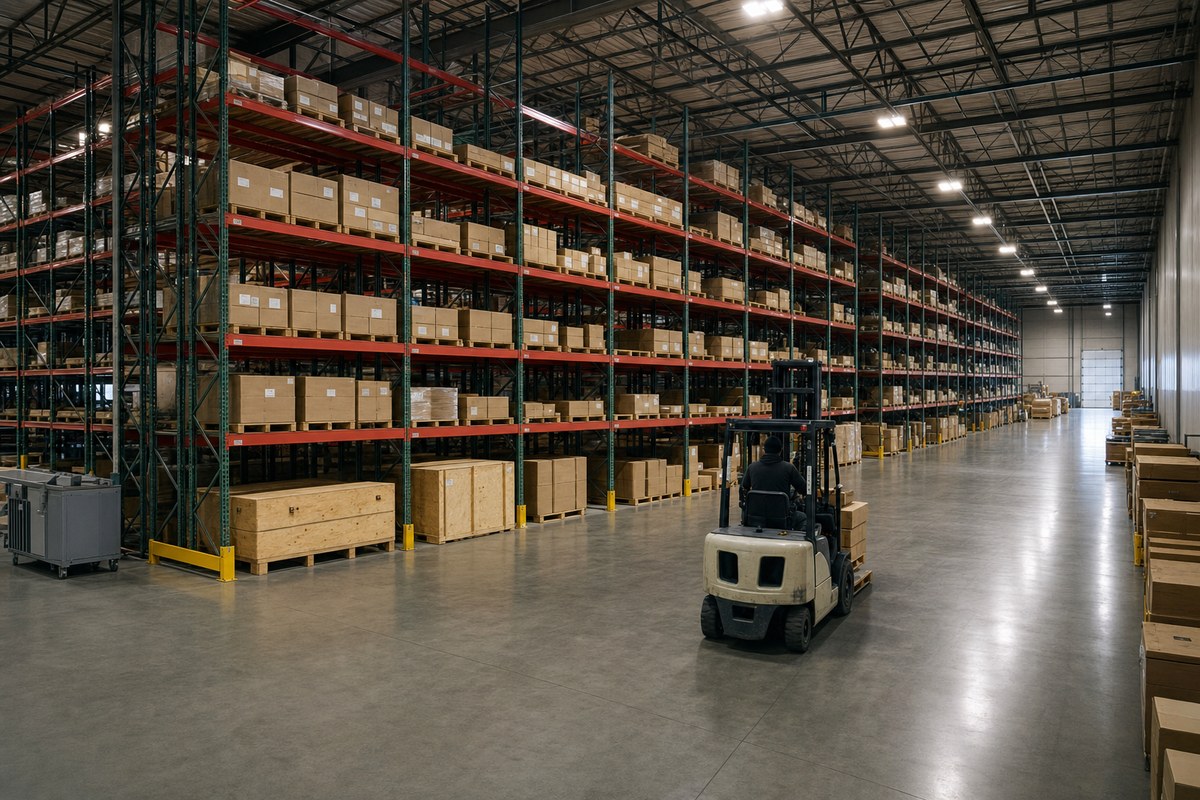
The company said the center will strengthen its infrastructure and expand its operational capabilities and footprint. It will support parts storage, aircraft product development and innovation, and aftermarket services. It will also consolidate multiple satellite warehouse locations into a single centralized operation, making the receiving, storing, processing and distribution of parts more efficient.
Cirrus CEO Zean Nielsen said in a news release that, as the fleet grows worldwide, the company is investing in the infrastructure and capabilities needed to support its aircraft and owners throughout the ownership experience. He said the Cirrus Warehousing Center gives teams greater capacity and efficiency while supporting production goals, continued innovation, and a growing upgrades and accessories business.
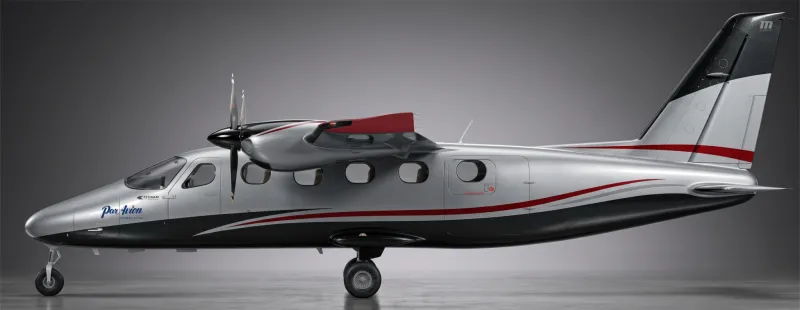
In August, Cirrus expanded its Grand Forks, North Dakota, manufacturing facility by 30,000 square feet. That facility produces components for the SR Series and Vision Jet, and it will also manufacture composites for the new, clean-sheet TRAC10 trainer, with deliveries planned for 2027.
Fleet and delivery figures
In 2025, Cirrus delivered 691 SR Series aircraft and a record 106 Vision Jets, and the company said it delivered more general aviation aircraft than any other manufacturer. It said the SR Series has been the best-selling high-performance, single-engine piston aircraft for 24 consecutive years, and the Vision Jet the best-selling GA jet for eight years in a row.
Cirrus reported higher deliveries and revenue for the first half of 2026 and said in August that its backlog topped 1,000 aircraft. The company said worldwide flight time on Cirrus aircraft now exceeds 19 million hours.
Industry impact & what to watch
A parts operation that has outgrown a patchwork of satellite warehouses is a typical sign of a manufacturer whose installed base is expanding faster than its support network. Aftermarket parts availability, upgrades and accessories sit alongside new-aircraft production as a revenue line, and for owners the speed of parts distribution determines how long an aircraft sits on the ground. Folding product development support into the same site suggests Cirrus sees logistics and engineering as one flow rather than separate functions.
The timing also lines up with the company's wider build-out: the Grand Forks expansion in August, a backlog above 1,000 aircraft, and the TRAC10 trainer. The next dated milestone is the 2027 start of TRAC10 deliveries, which will show whether the added manufacturing and warehousing capacity is carrying a new product line as well as the existing fleets.