Ocean Aviation Breaks Ground on $67 Million Private Aviation Campus at Miami Executive Airport
Why It MattersThe project shows how long-term ground leases and institutional capital are being used to build integrated FBO, hangar and customs infrastructure at secondary business-aviation airports serving international general aviation traffic.
What happened
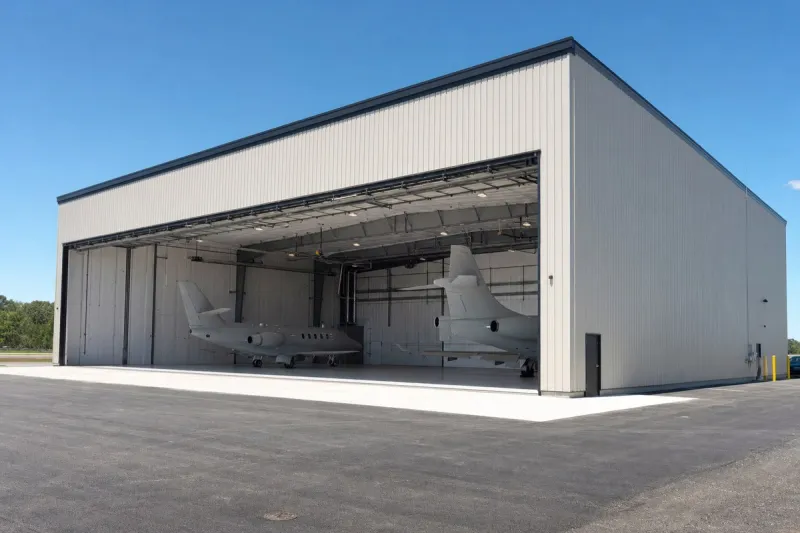
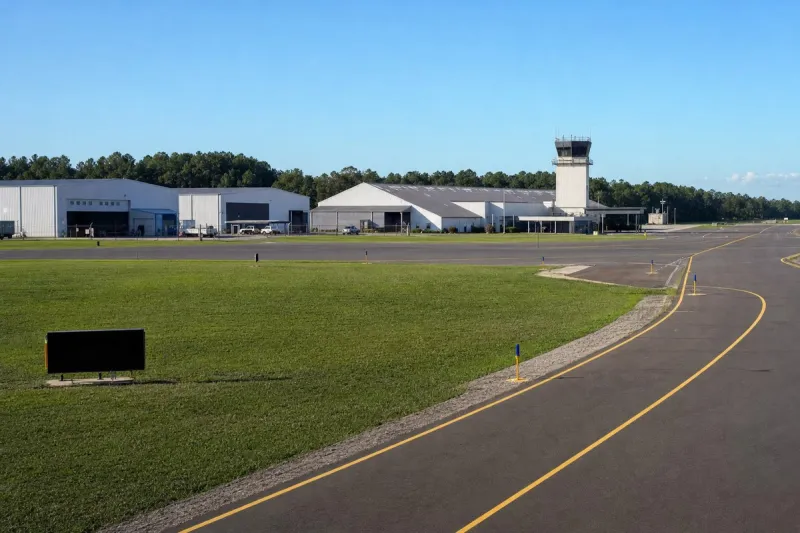
Ocean Aviation, backed by Kennedy Lewis Investment Management, has broken ground on a new private aviation campus at Miami Executive Airport (TMB). The development represents a $67 million capital commitment and is designed to accommodate up to 400,000 square feet of hangar space across communal and private configurations, along with a premium terminal and a fuel farm.
Ocean Aviation was established in 2024 with the execution of a 40-year, 40-acre ground lease at the airport. Miami-Dade County Mayor Daniella Levine Cava said the 40 acres of previously undeveloped airport land will become the campus, and that the expansion is expected to create roughly 2,900 construction jobs and 250 permanent positions. The company has since expanded its South Florida footprint with the September 2026 acquisition of National Jets, a Fort Lauderdale FBO with more than 60 years of history, at Fort Lauderdale-Hollywood International Airport (FLL).
The development will include a fuel farm, a new FBO, communal and private aircraft hangars, and the relocation of the Wings Over Miami Air Museum. It also includes a 32,000-square-foot common-use taxi lane and common-use ramp serving U.S. Customs and Border Protection, intended to support more efficient aircraft movements and international general aviation operations.
The project will be delivered through a design-build model led by Lemartec, with Schenkel Shultz as the design partner. Romain Grosjean, Executive Chairman of Ocean Aviation, called the groundbreaking a defining milestone for the company. David Chene, Managing Partner at Kennedy Lewis Investment Management, cited durable regional demand, the 40-year lease and the airport's growing role as a general aviation port of entry. The development targets ultra-high-net-worth individuals, corporate flight departments and international private aviation operators in the Miami metro.
Industry impact & what to watch
A 40-year ground lease paired with institutional capital is a model that lets a single operator build the full chain of FBO, hangars, fuel and customs-ready ramp on one parcel. For a general aviation reliever airport, that kind of campus concentrates services that are otherwise spread across several tenants, and it ties the economics to long-horizon demand rather than to any single season.
The common-use CBP taxi lane and ramp matter because international arrivals depend on where customs processing can physically happen. Placing that capability inside the campus positions TMB as an entry point for foreign-origin private flights, which is the segment the stated customer base of ultra-high-net-worth individuals, flight departments and international operators would draw on.
The pairing of the new Miami campus with the FLL acquisition gives Ocean Aviation two South Florida locations. The next markers are construction delivery under the Lemartec design-build contract and the move of the Wings Over Miami Air Museum, both of which the project plan includes.