Lincoln Airport Rebuilds 12,901-Foot Runway 18/36 With 17-Inch Concrete in $100 Million Project
Why It MattersJoint civil-military funding keeps a shared runway viable, but a phased rebuild that shortens or closes runways constrains capacity while commercial traffic grows at the same airport.
What happened
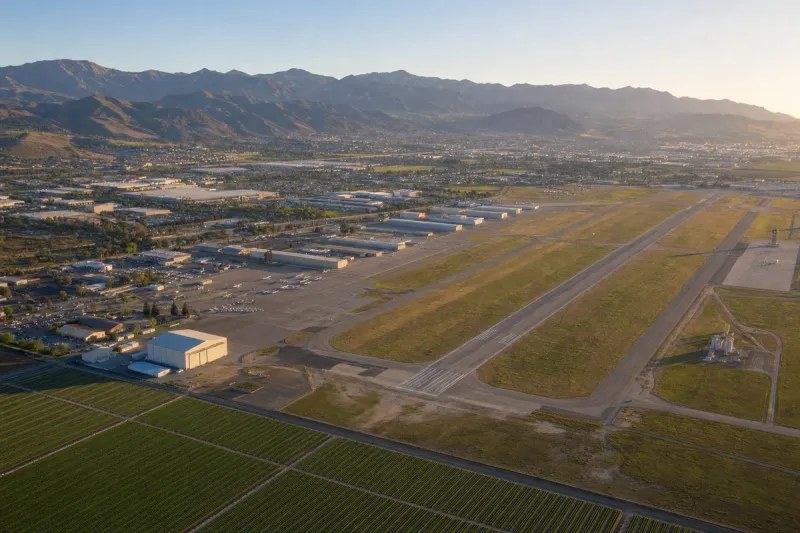
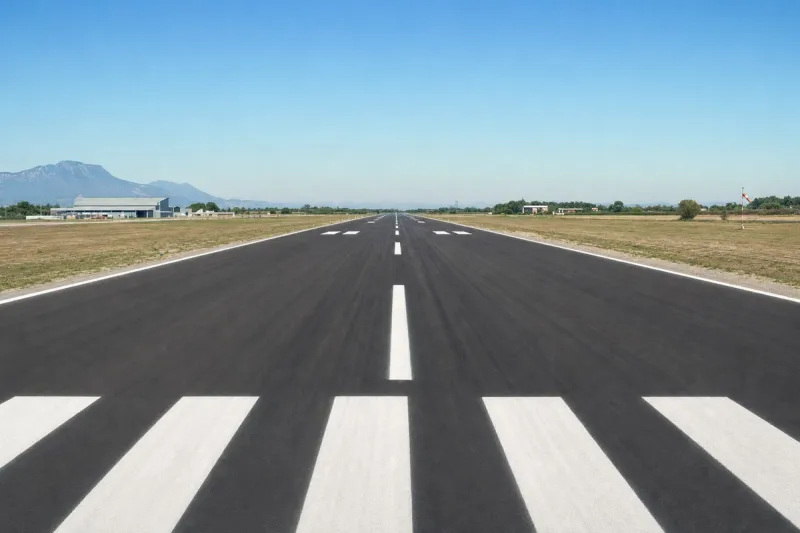
Lincoln Airport (LNK) in Nebraska is rebuilding Runway 18/36, its longest runway at 12,901 x 200 feet (3,932 x 61 meters), in a project worth $100 million. The reconstruction began in January and is slated for completion by fall 2027, though it could extend toward the end of that year.
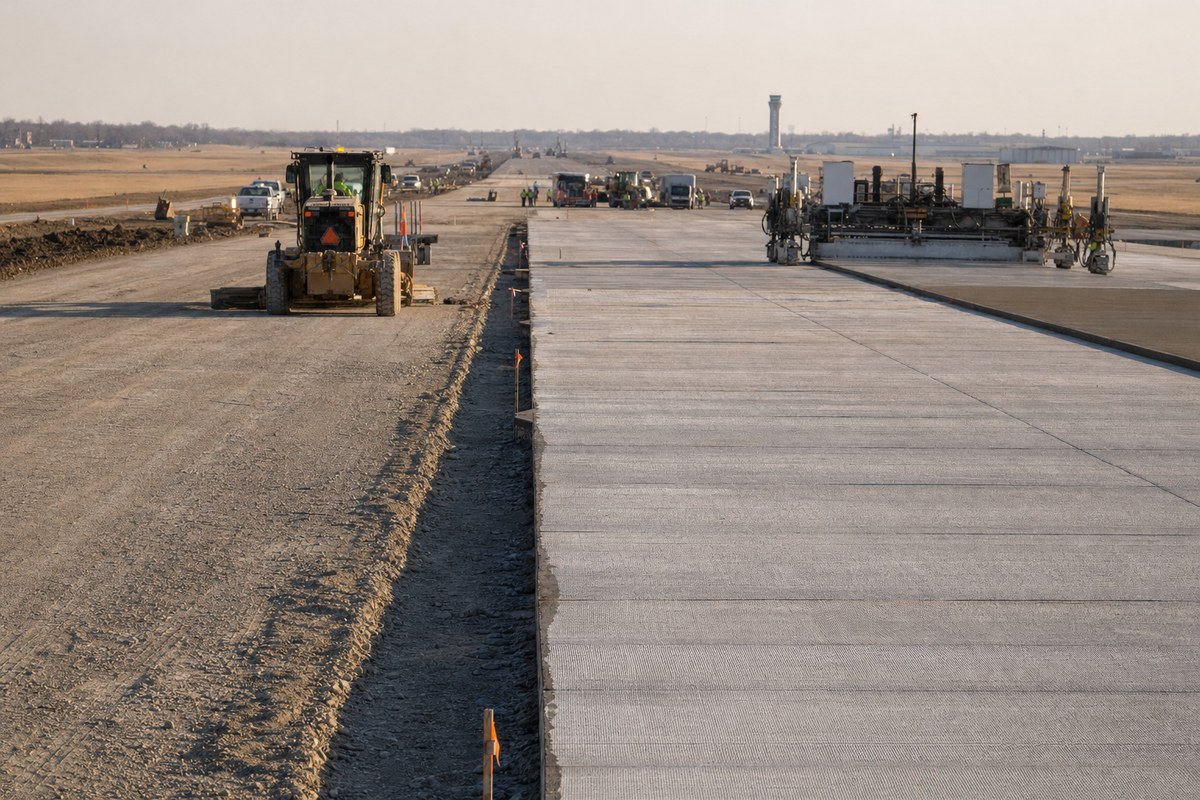
Parts of the existing pavement date to the 1950s, when the airport was Lincoln Air Force Base and the runway served Boeing B-47 bombers. The last repaving took place in 1991. An engineering design and investigation concluded that the concrete had reached the end of its operational life and should be fully removed and replaced. The runway will be rebuilt to modern Federal Aviation Administration (FAA) standards.
The National Guard Bureau is funding almost half of the cost. The remainder comes from FAA grants, the State of Nebraska, the Nebraska Department of Transportation (Division of Aeronautics) and the Lincoln Airport Authority. Constructors, Inc. is the primary contractor, laying a 17-inch (43 cm) thick surface of reinforced concrete covering roughly 250,000 square yards (209,000 square meters), or more than 51 acres.
The runway supports the 155th Air Refueling Wing of the Nebraska Air National Guard, which is based at Lincoln and operates eight KC-135R Stratotankers. Official documents show passenger traffic as of June of this year at 154,202, compared with 128,249 in June 2025, a 20% increase, and July saw 17,757 passengers.
Phasing of the work
The work is divided into three phases. Phases 1 and 2 will pave up to the intersection with crosswind Runway 14/32 and are expected to be completed by the end of this year.
The completed section will then reopen in a shortened configuration for takeoffs and landings. During Phase 3, the remaining portion will be built, and the intersecting Runway 14/32 will close temporarily.
Industry impact & what to watch
A runway that began life as a Cold War bomber strip and now serves both an Air National Guard tanker wing and growing airline traffic shows how shared civil-military fields are sustained: federal military money, FAA grants and state funds are stacked together, because no single airport authority would carry a $100 million reconstruction alone.
Phased rebuilds of a longest runway trade capacity for time. Once the first section reopens in a shortened configuration, the length available for takeoffs and landings is reduced, and the temporary closure of crosswind Runway 14/32 in Phase 3 removes the field's alternate surface. Operators with heavy aircraft or tight performance margins have to plan around those constraints, while the airport keeps absorbing higher passenger volumes.
The next concrete marker is the end of this year, when Phases 1 and 2 are due to finish and the shortened runway is meant to reopen. Whether the overall fall 2027 target holds, or slides toward the end of that year as the schedule allows, will depend on how Phase 3 proceeds.