NWT RCMP Acquires $21.5-Million Pilatus PC-24 Jet, 40% Faster Than Aircraft It Replaces
Why It MattersPolice services in remote regions are moving from leased single-engine turboprops to owned twin-engine jets, trading higher capital outlay for speed, range, passenger capacity and engine redundancy across long, sparsely served distances.
What happened
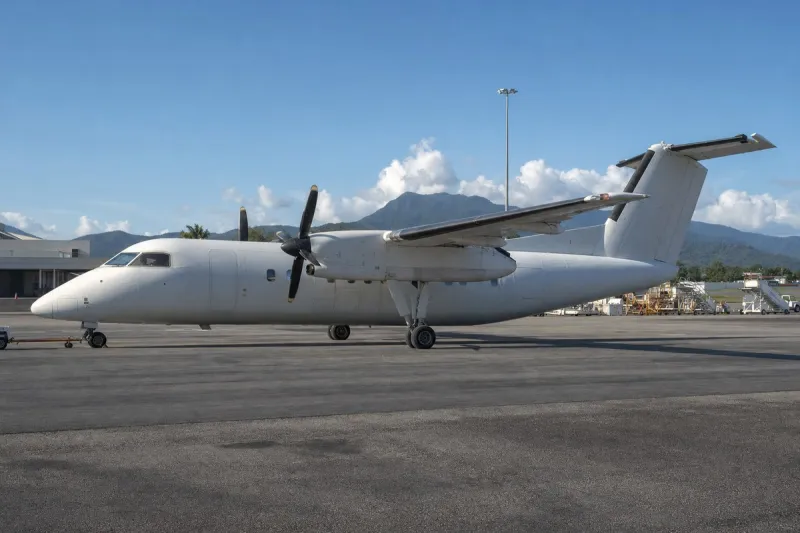
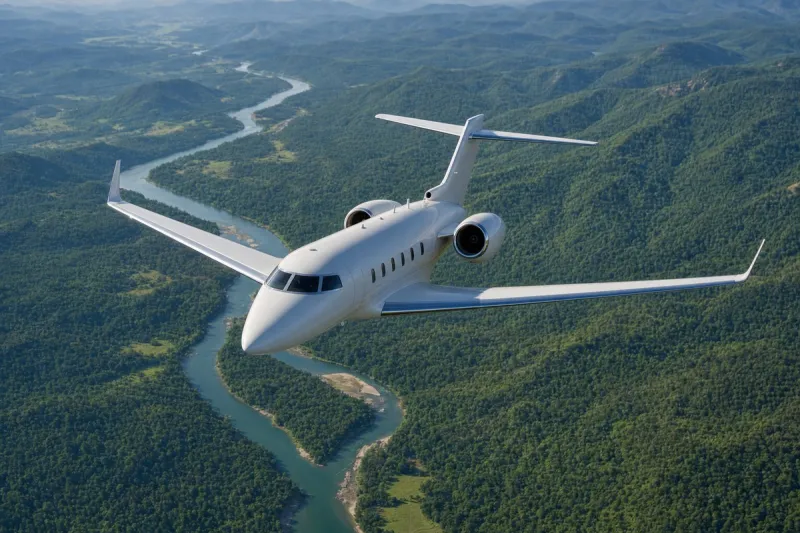
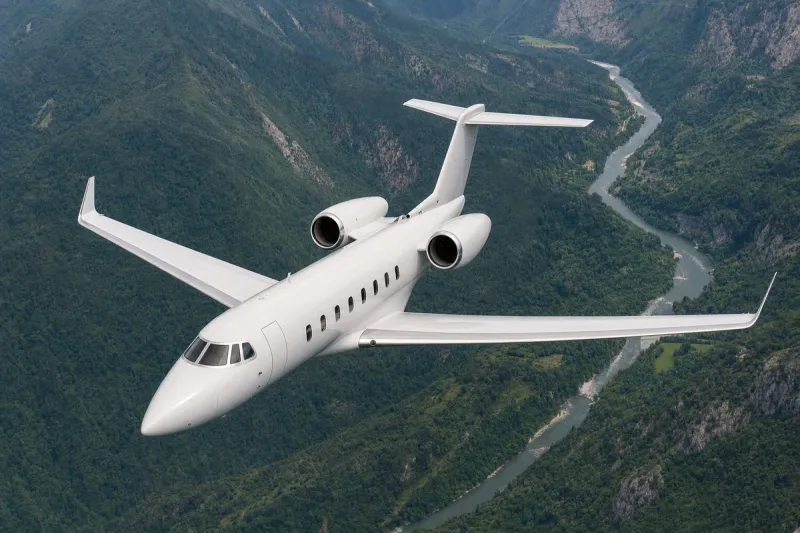
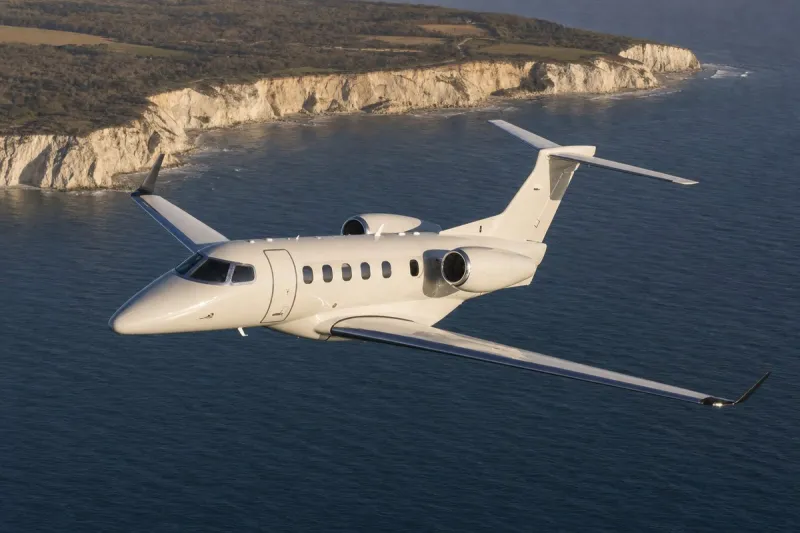
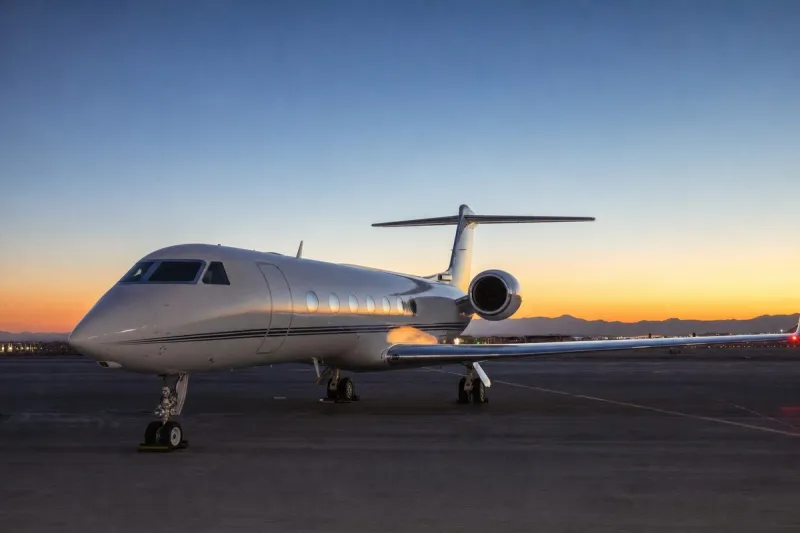
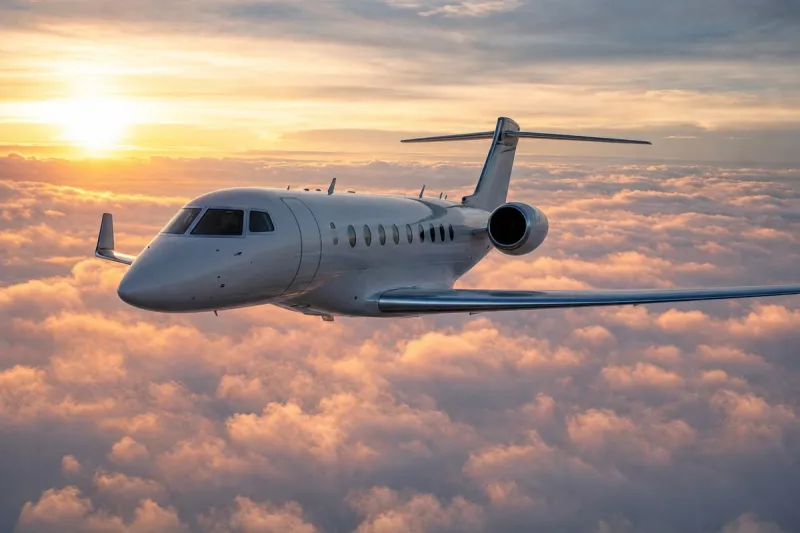
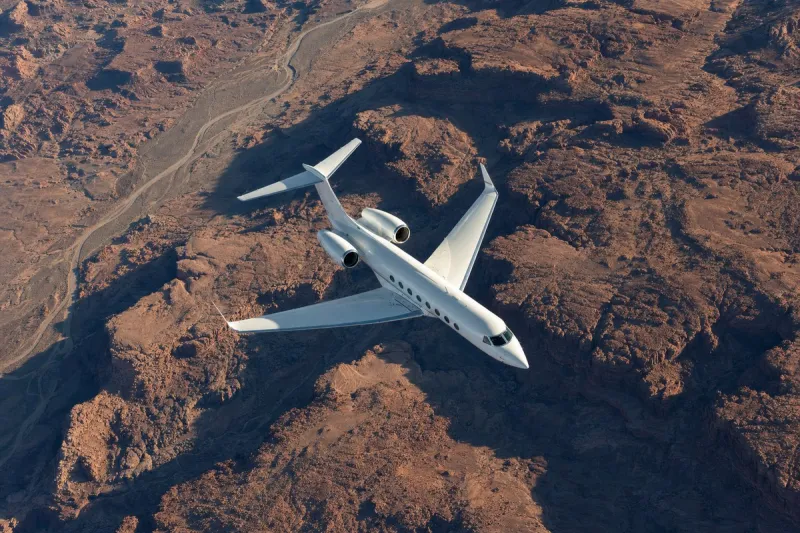
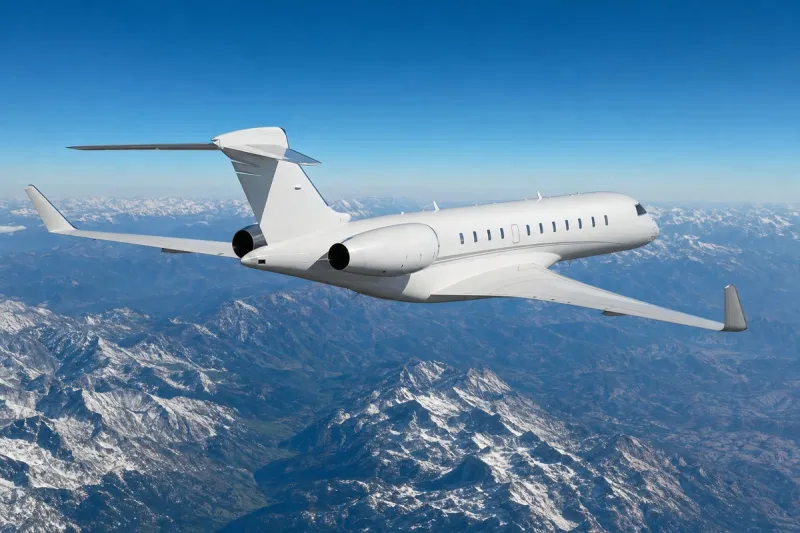
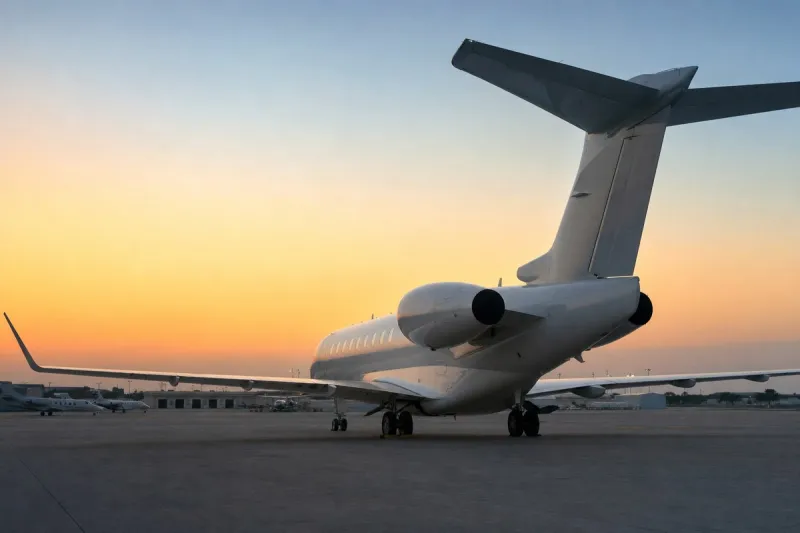
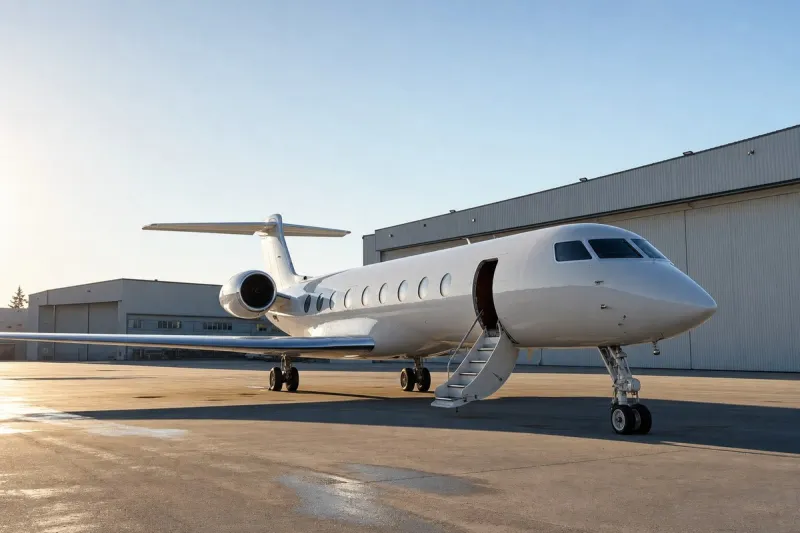
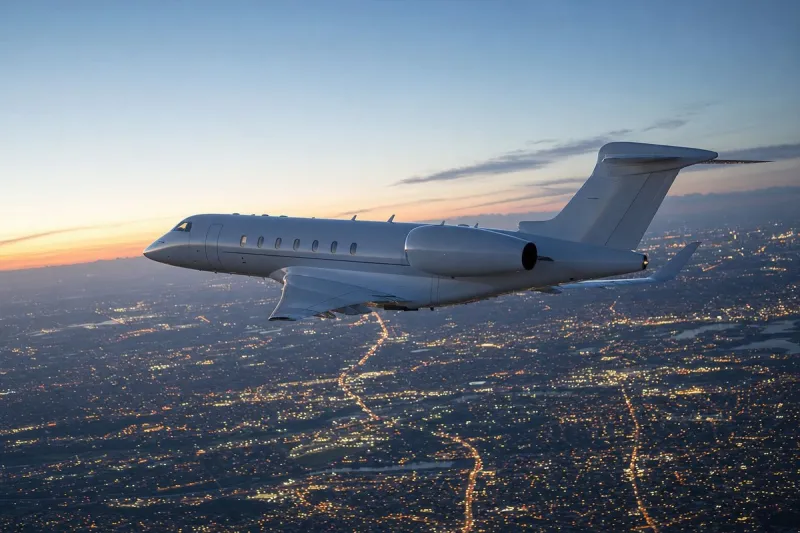
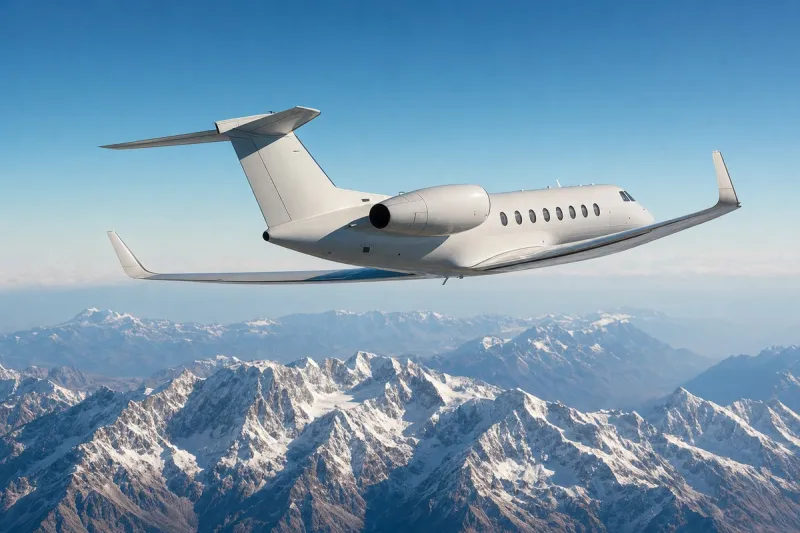
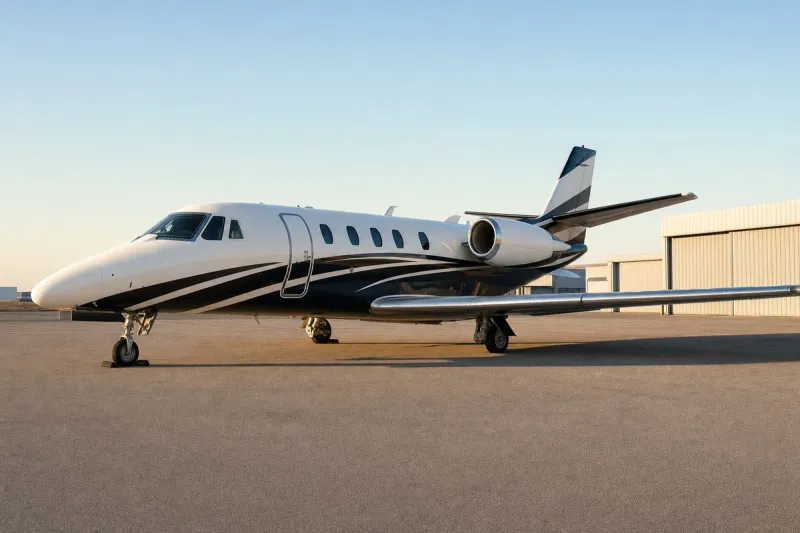
The Northwest Territories RCMP has acquired a $21.5-million Pilatus PC-24 twin-engine jet, built and designed by Swiss company Pilatus, to deploy personnel faster and in greater numbers. It replaces C-GMPX, a leased single-engine PC-12 turboprop from Ottawa that was badly damaged in an April 2023 accident in Whitehorse. Since then, the NWT RCMP has relied on another leased single-engine aircraft.
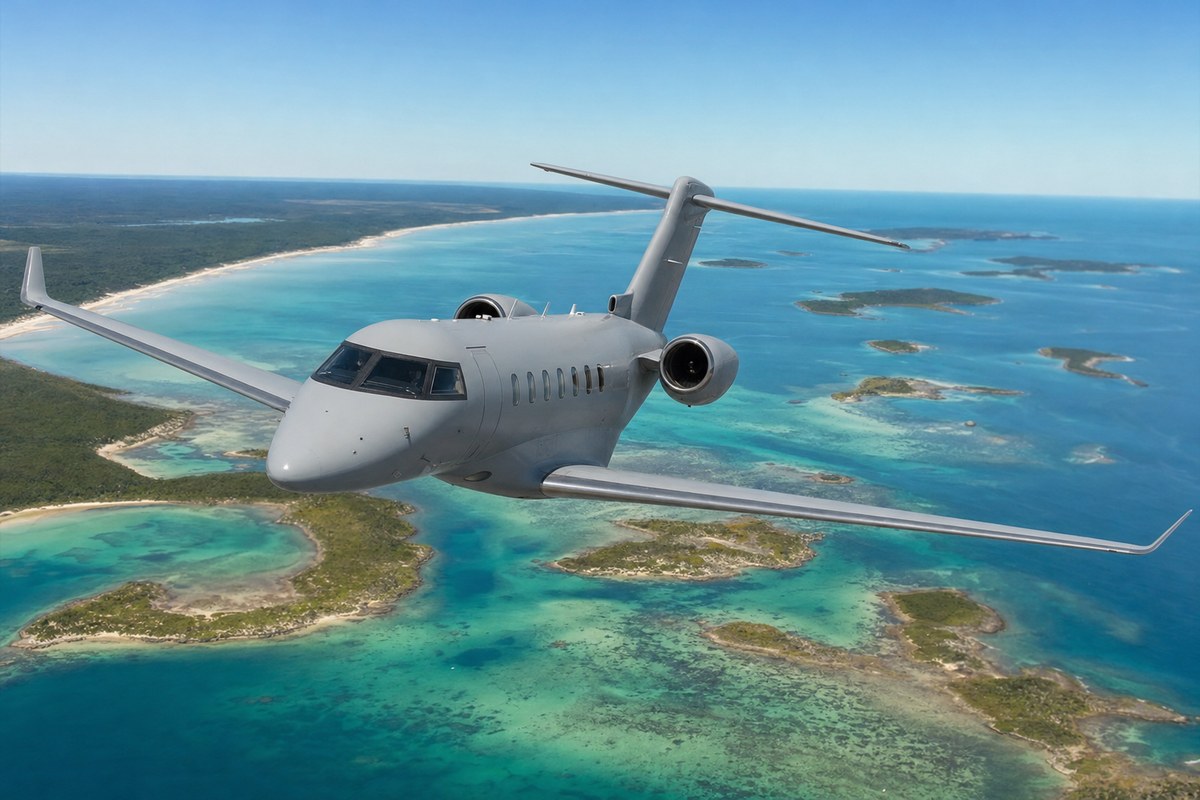
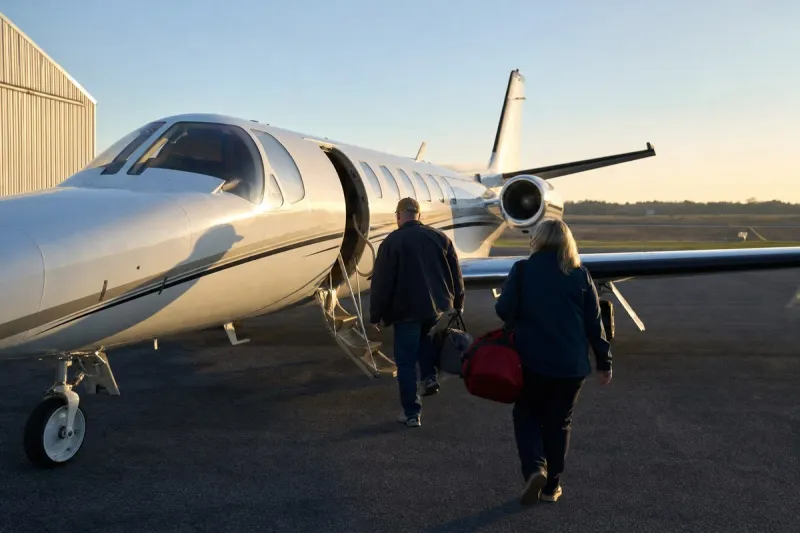
The PC-24 is 40 per cent faster than C-GMPX and has 26 per cent greater range. A flight from Yellowknife to Inuvik that once took 2 hours 20 minutes will now take 1 hour 35 minutes. Passenger capacity doubles from four to eight, and the second engine adds safety. The RCMP will use the jet to transport personnel, including for emergency police responses in NWT communities, as well as prisoners and equipment.
NWT RCMP Commanding Officer Dyson Smith said the jet will redefine how police approach remote missions and called it a game-changer. He said the aircraft was acquired in partnership with the GNWT, which paid 70 per cent of the cost. Although the aircraft can be configured as an air ambulance, Smith said it will not be used for such missions, as that falls under the jurisdiction of other agencies.
Aircraft specifications and transition
The jet has a maximum cruise speed of roughly 815 km/h, a range of 2,000 to 2,040 nautical miles with four to six passengers, a cruise height of 45,000 feet, a take-off distance of 3,090 feet and a maximum payload of 3,100 lbs.
Special Const. Chris Williams, from Ottawa, will spend the next couple of months in Yellowknife helping the NWT RCMP learn to use the aircraft. During the transition, police will operate both the PC-24 and the C-FGMQ until spring 2027, when the C-FGMQ will return to Ottawa.
Industry impact & what to watch
The shift from a leased turboprop to an owned jet shows how government fleets in sparse regions weigh their options. Where communities are far apart and road access is limited, aircraft speed and range translate directly into response time. A cut from 2 hours 20 minutes to 1 hour 35 minutes on one route is the kind of gain that justifies a larger capital commitment. The cost split, with the territorial government covering 70 per cent, also shows that aircraft of this class are often financed through shared arrangements between federal and territorial bodies rather than by a single agency.
The PC-24 occupies a niche between turboprops and larger business jets: twin-engine redundancy, jet speed and the ability to operate with a take-off distance of 3,090 feet. For public-sector buyers, engine redundancy matters as much as speed when the flying is over remote terrain, and the loss of the earlier single-engine aircraft in the 2023 accident is the background the story itself supplies.
The next concrete milestone is spring 2027, when the C-FGMQ returns to Ottawa and the NWT RCMP moves to the PC-24 as its only aircraft of this type. Until then, the overlap period and the training led by Special Const. Williams are the stages to follow.