Vista Global Targets Growth From Within as 'Borderless Billionaires' Drive Long-Range Charter Demand
Why It MattersLong-range charter demand increasingly hinges on clients who treat multi-continent aircraft access as a banking-style utility, pushing operators toward pre-sold fleet commitments rather than opportunistic acquisition-led growth.
What happened
Vista Global, the parent company of VistaJet and XO, has halted acquisitions and is focusing on organic growth, according to group founder Thomas Flohr. Flohr attributes rising long-range private aviation demand in part to what he calls "borderless billionaires" — technology founders and finance principals who maintain residences and banking relationships across multiple countries and require aircraft availability on four continents without concern for positioning flights or crew duty limits.

Flohr told Bloomberg that corporate travel is also pushing demand to its highest level since the post-COVID surge, with companies purchasing flight hours alongside individual clients. Vista says it now operates more than 200 aircraft. The group previously expanded through acquisitions including XOJet in 2020, Jet Edge, and Air Hamburg, but Flohr stated there is no near-term merger or acquisition activity on the agenda. He also confirmed that investment banks have been retained to advise on strategic options, amid reports of a possible initial public offering.
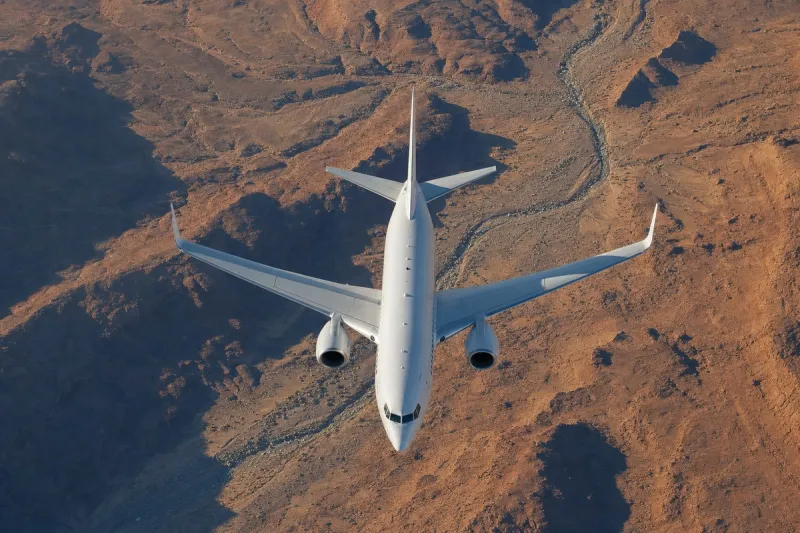
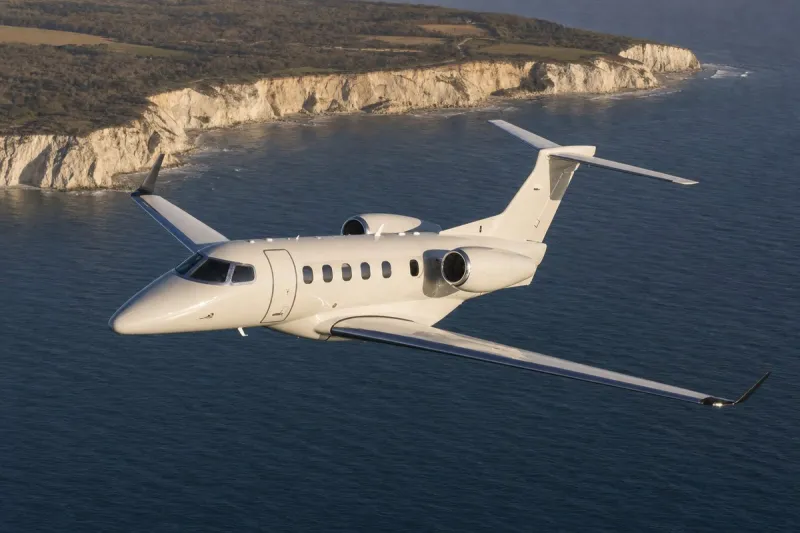
On the fleet side, Flohr told Bloomberg that Vista expects to begin receiving Bombardier Global 8000 deliveries by year-end. Bombardier rates the Global 8000 at 8,000 nautical miles range at Mach 0.85 with eight passengers, placing routes such as Singapore to London — approximately 5,900 nautical miles — within its capability. Vista has also placed a firm order for 40 Bombardier Challenger 3500 aircraft, with options on 120 more, adding a mid-size category to complement its long-range fleet. Flohr described the aircraft as essentially self-financing, with clients signing three-year commitments that contract revenue before aircraft are delivered. Vista's subscription products — the Program and VJ25 — guarantee clients a set number of hours on a worldwide fleet.
Industry impact & what to watch
Vista's pivot away from acquisitions marks a shift in how the large-cabin charter segment pursues scale: rather than buying fleet and client books, the group is betting that demand from globally mobile ultra-wealthy clients and corporate buyers will fill capacity organically. This matches how subscription-style charter has evolved — multi-year commitments like the Program and VJ25 let an operator contract revenue ahead of aircraft delivery, reducing the financing risk of large fleet orders such as the 40-unit Challenger 3500 commitment.
The category of client Flohr describes also says something about where long-range demand concentrates: buyers who need aircraft positioned across continents without regard to crew duty limits or empty-leg economics behave differently from traditional point-to-point charter users, and that behavior rewards operators with large, geographically distributed fleets over smaller regional ones.
What happens next depends on two separate tracks that Flohr kept distinct: the investment-bank mandate exploring strategic options including a possible IPO, and the delivery schedule for the Global 8000 before year-end. Vista has not released flight-hour volumes, client counts, or renewal rates, so the durability of the demand Flohr describes remains something only those banks' due diligence, or a future public filing, would actually test.