NBAA Experts Outline Key Considerations for Pilots Moving from Piston to Turbine Aircraft
Why It MattersComparable purchase prices between high-end turboprops and light jets mean buyers increasingly must weigh mission fit and cost per trip, not aircraft category alone, when choosing equipment.
What happened
Ann Pollard, who serves on the aircraft sales and acquisitions team at Duncan Aviation and is an NBAA member, and James Logue, president of Logue Aviation and an NBAA member, outlined key considerations for pilots transitioning from piston to turbine aircraft, according to experts consulted by NBAA's Business Aviation Insider.

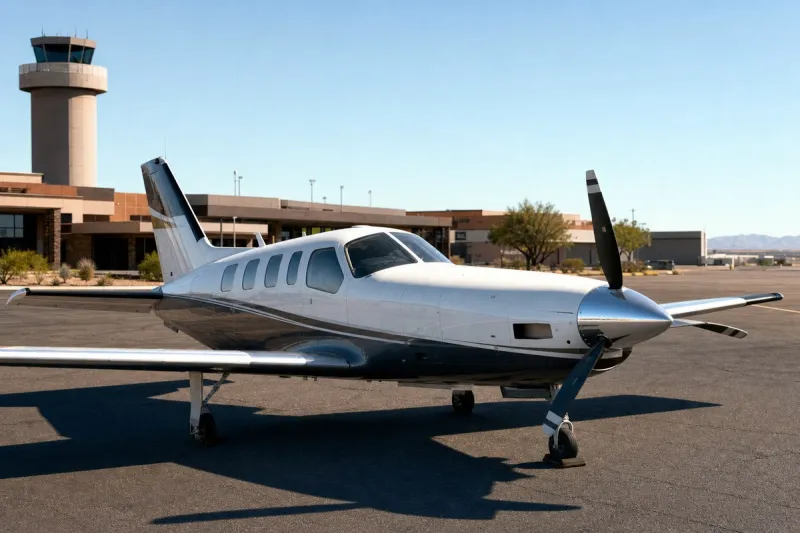
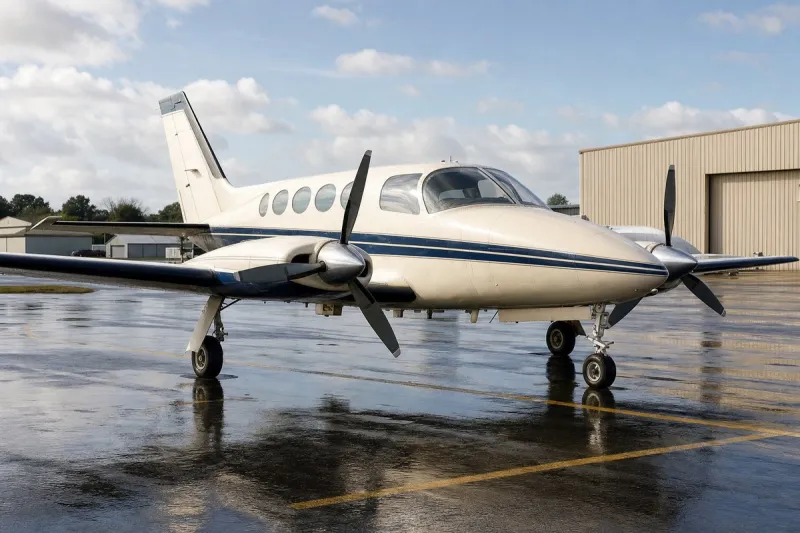
Pollard noted that light multiengine piston aircraft are often owner-flown due to useful load limits, while larger piston twins, though capable of supporting company travel, are typically older and maintenance-intensive, with limited range, payload, and single-engine performance. She said newer turboprop models feature safety enhancements including autothrottle, Autoland, advanced radar and weather detection systems, ice detection, and new flight deck avionics suites, along with advanced engine controls that offer safety and operational improvements.
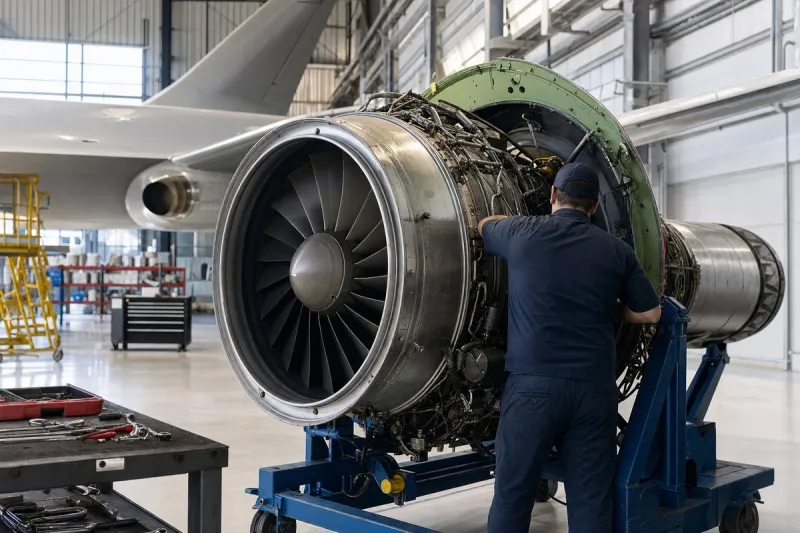
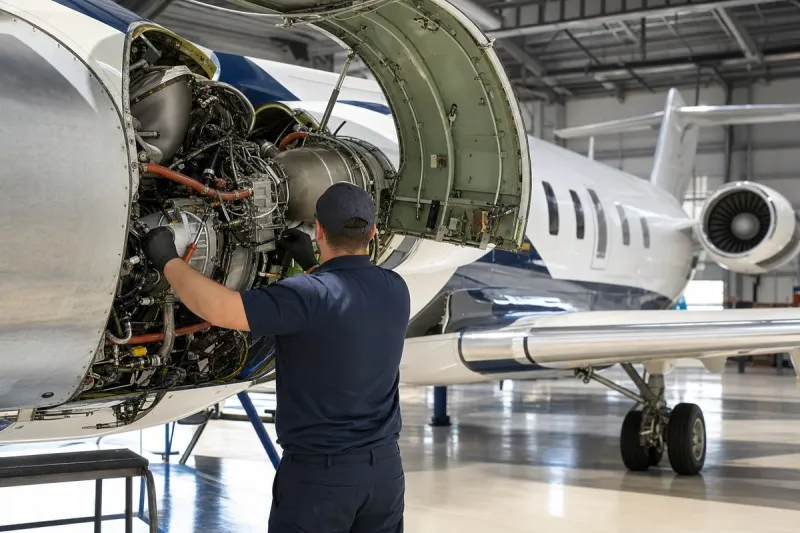
Pollard said turboprop and turbine engines feature simpler and more integrated systems, allowing owners to use engine programs and longer overhaul intervals. She noted turboprops are commonly powered by Pratt & Whitney PT6 engines, whose modular construction allows the compressor, combustion, and turbine sections to be maintained at different intervals without a full teardown, reducing downtime and costs, though operating costs have risen due to redundant systems, higher component and parts costs, and more complex regulatory compliance. She added that turbine operators gain access to RVSM airspace owing to higher service ceilings, improving fuel efficiency and routing, which requires additional training and FAA approval, and that operators can use FAA-approved minimum equipment lists that are complex to establish but increase flexibility.
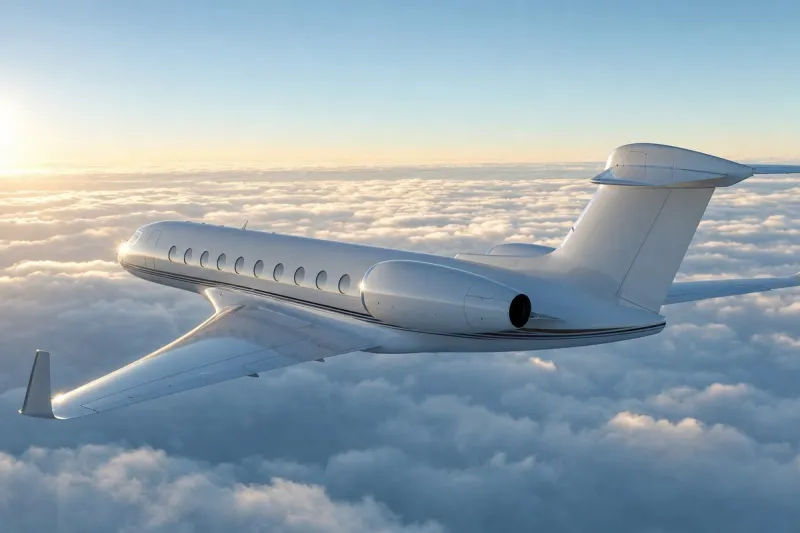
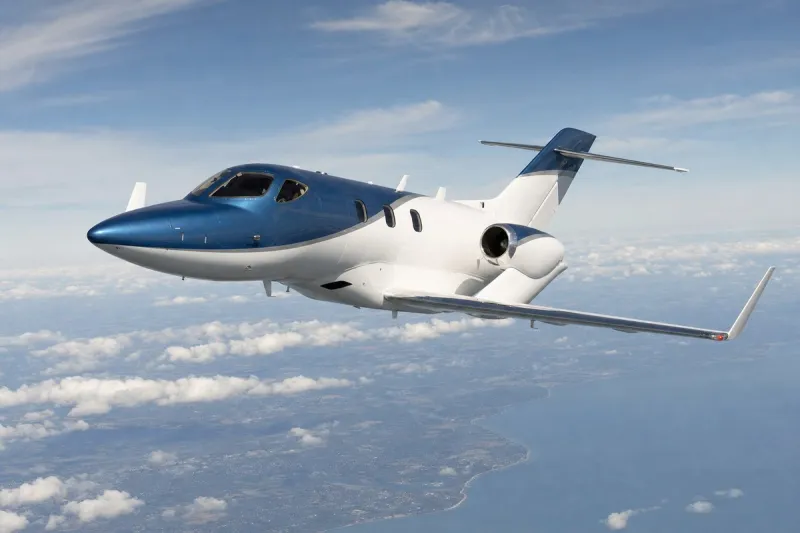
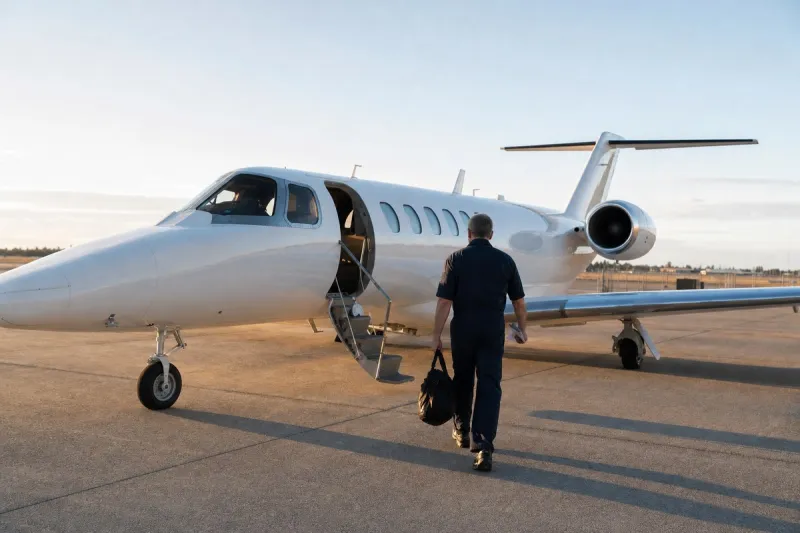
Logue said purchase prices of higher-end turboprops and light jets can be comparable, citing a Beechcraft King Air 350 turboprop and a Cessna Citation CJ2+ light jet both priced at $3.5 million. He said operating costs are closer than many assume, and that evaluating cost per trip can favor the light jet on longer missions. He noted the CJ2+ offers maintenance advantages, with fewer systems, no propellers or prop governors to overhaul, and an engine program competitive with PT6 programs. Logue added that buyers whose mission involves a full cabin, big cargo or short and rough strips should buy the King Air, "that's what it's built for," but said "for most owners, the jet is the better airplane."
Industry impact & what to watch
This guidance reflects a broader pattern in business aviation: as turboprop technology has matured, the line between upper-tier turboprops and entry-level jets has blurred on price, pushing the decision toward mission fit instead of category. Pollard's point that engine programs and modular PT6 maintenance make turbine ownership more predictable illustrates how the segment has shifted maintenance planning from reactive repair toward scheduled, program-based overhaul.
Logue's King Air 350 versus CJ2+ comparison shows how cost-per-trip analysis, as opposed to cost-per-hour analysis, can change which aircraft looks economical, particularly as mission length grows. That distinction matters for brokers and acquisition teams advising first-time turbine buyers, since purchase price alone no longer separates the two categories.
What remains to be tested is how individual buyers weigh cabin size, cargo capacity, and runway requirements against the jet's maintenance and speed advantages Logue described. Those mission-specific tradeoffs, rather than sticker price, will likely determine which aircraft a given owner ultimately selects.