JetAlto Launches Dedicated Dubai–Maldives Private Jet Charter Route Ahead of Peak Season
Why It MattersSeasonal demand surges concentrate charter pricing and parking capacity around peak windows, pushing brokers to manage permit lead times and aircraft repositioning rather than simple point-to-point availability.
What happened
Independent private jet charter marketplace JetAlto has opened a dedicated Dubai-to-Male charter route ahead of the Maldives' peak season, linking the UAE directly to Velana International Airport (MLE) on Hulhulé island. The route covers 2,965 km (approximately 1,840 miles) nonstop.

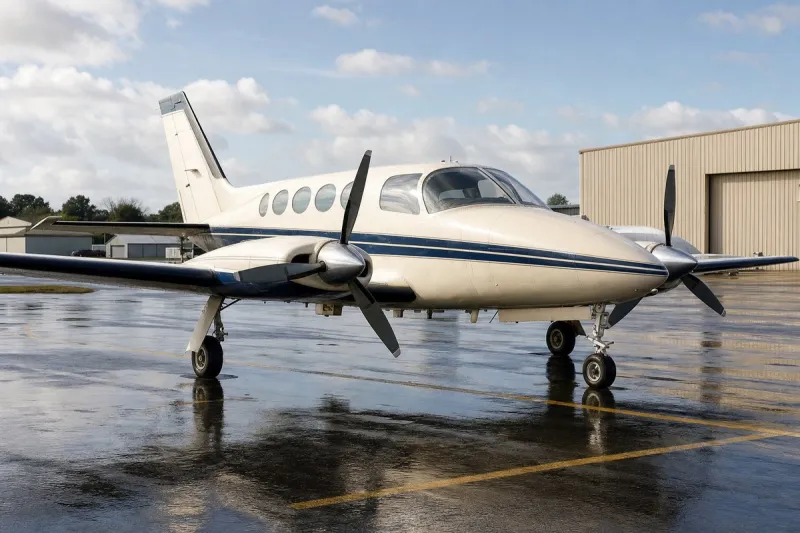
Flight times vary by aircraft class: midsize jets (Praetor 500, Citation Latitude) take around 4 hours 10 minutes; super-midsize jets (Challenger 350, Citation Longitude) complete the crossing in about 3 hours 40 minutes; heavy jets (Falcon 2000LXS, Challenger 650, Gulfstream G450) in approximately 3 hours 30 minutes; and ultra-long-range aircraft (Global 7500, Gulfstream G650ER, Falcon 8X) in around 3 hours 20 minutes. Indicative one-way prices including fuel, crew and handling are $32,000-$42,000 for midsize jets carrying up to 9 passengers, $42,000-$58,000 for super-midsize jets carrying up to 10 passengers, $58,000-$82,000 for heavy jets carrying up to 14 passengers, and $85,000-$115,000 for ultra-long-range jets carrying up to 16 passengers. JetAlto says final quotes can move by around 15 per cent depending on dates and aircraft availability, and identifies the super-midsize class as the best-value option for most groups.
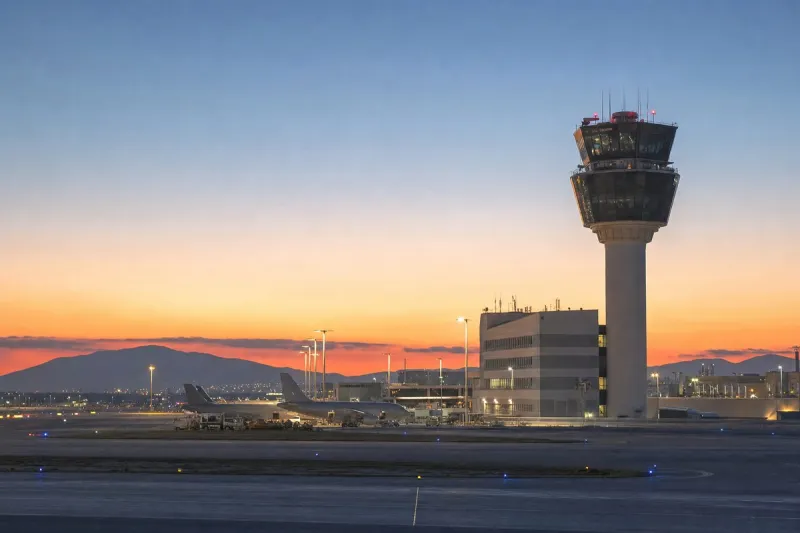
Departures can operate from Al Maktoum International Airport (DWC), which features a 4,500-metre runway suited to long-range operations at full fuel load, or from Dubai International Airport (DXB). Arriving flights land at Velana International Airport, where passengers use a private VIP terminal and typically clear customs and immigration in around ten minutes. The Maldives grants a free 30-day visa on arrival to all nationalities holding a valid passport and confirmed accommodation.
Onward resort transfers are available by seaplane with Trans Maldivian Airways or Manta Air, by speedboat to the North and South Male atolls (20 to 60 minutes, operating around the clock), or by domestic flight to more remote atolls. Because seaplanes operate in daylight only, JetAlto advises scheduling arrival before approximately 3:30-4:00 pm local time in winter to avoid an unplanned overnight stay in Male. For peak-season travel, JetAlto recommends early booking for Christmas, New Year and Chinese New Year periods, when aircraft parking at Male is limited and some jets may need to reposition to Gan (GAN) or Colombo (CMB) after drop-off, and notes landing permits for foreign aircraft can take 48 to 72 hours to arrange during busy periods. For summer departures, JetAlto notes that Dubai temperatures above 45°C in July and August can reduce takeoff performance, making early morning or post-sunset departures preferable. Quotes sourced through the platform come from licensed third-party operators, and JetAlto acts as a charter broker rather than an aircraft operator.
Industry impact & what to watch
A dedicated route announcement from a charter broker like JetAlto is less about new flying capability than about packaging existing aircraft access around a predictable seasonal demand spike. The underlying aircraft and operators already fly this corridor; what changes is that pricing bands, transfer logistics and timing advice are now bundled into one offer timed to the Maldives' peak season.
This segment runs on matching aircraft category to group size and trip constraints rather than on route novelty. The spread from $32,000 to $115,000 one-way reflects cabin class and passenger capacity, not distance alone, since all categories cover the same 2,965 km crossing in a narrow band of flight times. Brokers add value by layering in operational detail a traveler would otherwise have to source separately: daylight-only seaplane connections, a 48-to-72-hour permit window at Male during congested periods, and the chance that an aircraft will need to reposition to Gan or Colombo once parking fills up.
What happens next will show up in how tightly booked the Christmas, New Year and Chinese New Year windows become. Parking constraints at Male and permit lead times are the operational pinch points that determine whether this seasonal push runs smoothly or pushes some aircraft into repositioning flights, and that will be visible in how far in advance quotes firm up as peak season approaches.