Hermiston Municipal Airport Plans 500-Foot Runway Extension as Part of $8.2 Million Rehabilitation
Why It MattersSmall general-aviation fields tend to bundle runway growth with scheduled rehabilitation, so funding timing and local cost-sharing, not demand alone, set when larger-aircraft capability arrives.
What happened
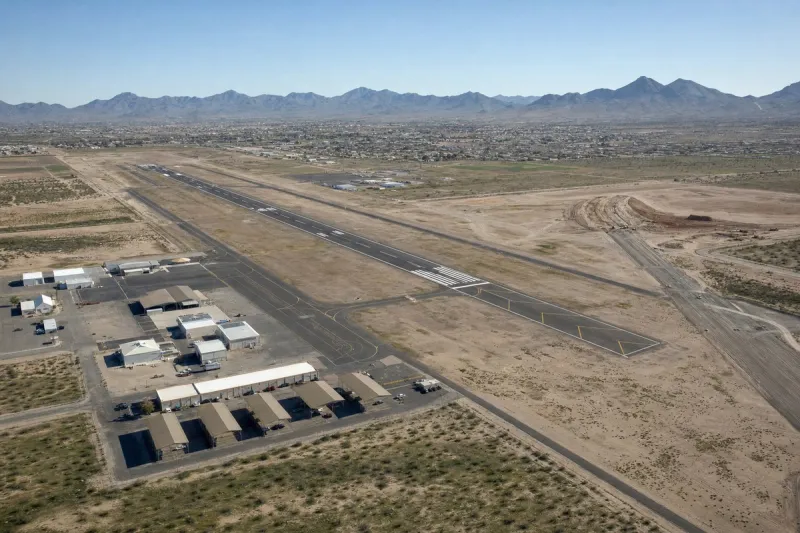
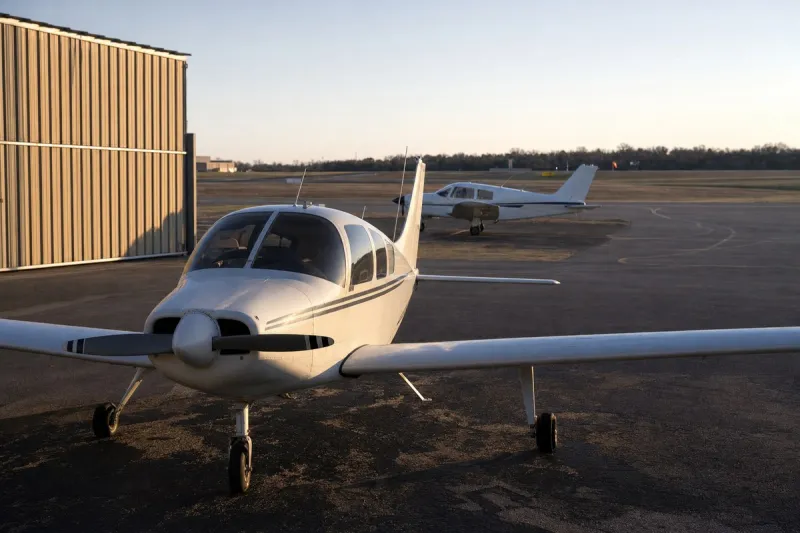
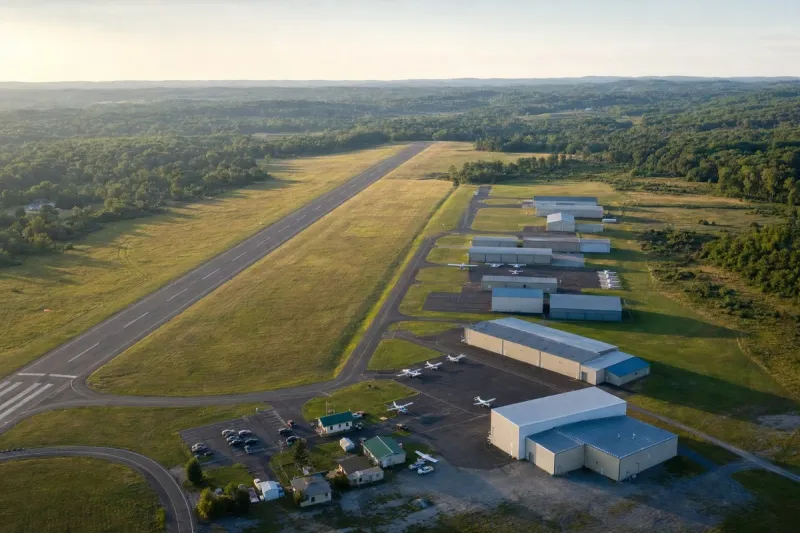
Hermiston Municipal Airport in Oregon plans to extend its runway by 500 feet, from the current 4,500 feet to 5,000 feet, though the work will not happen soon.
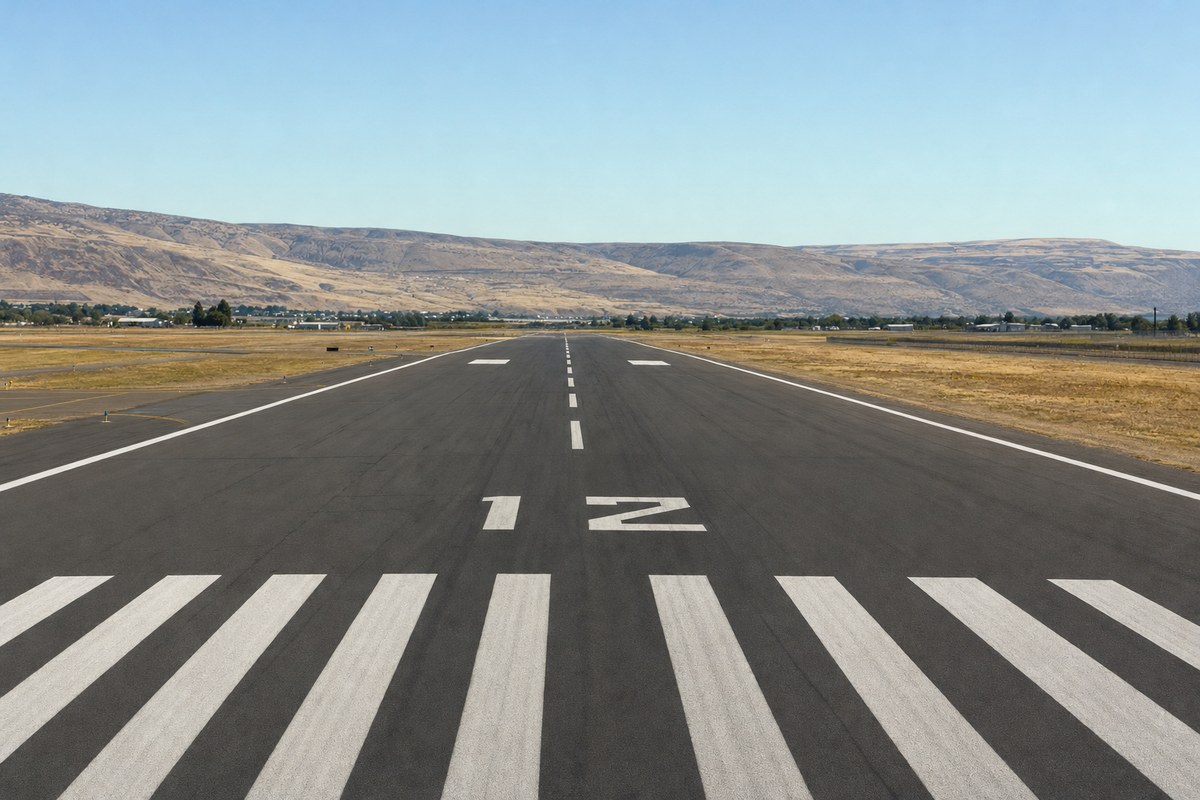
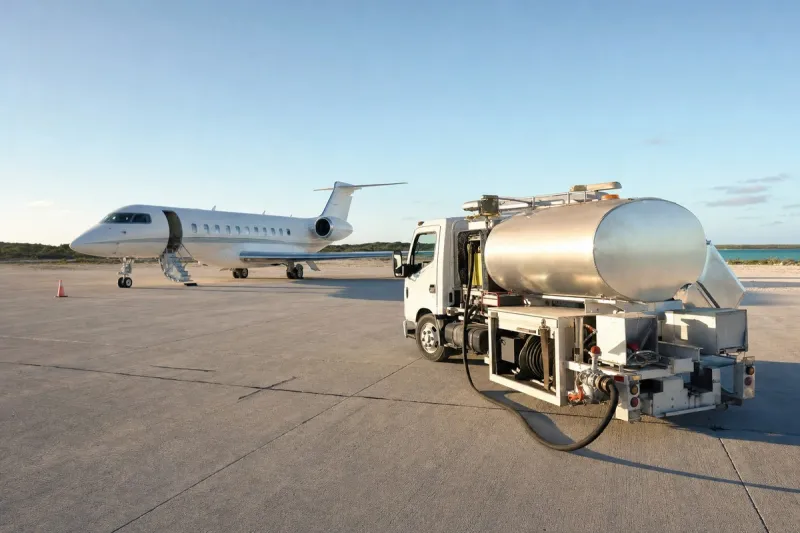
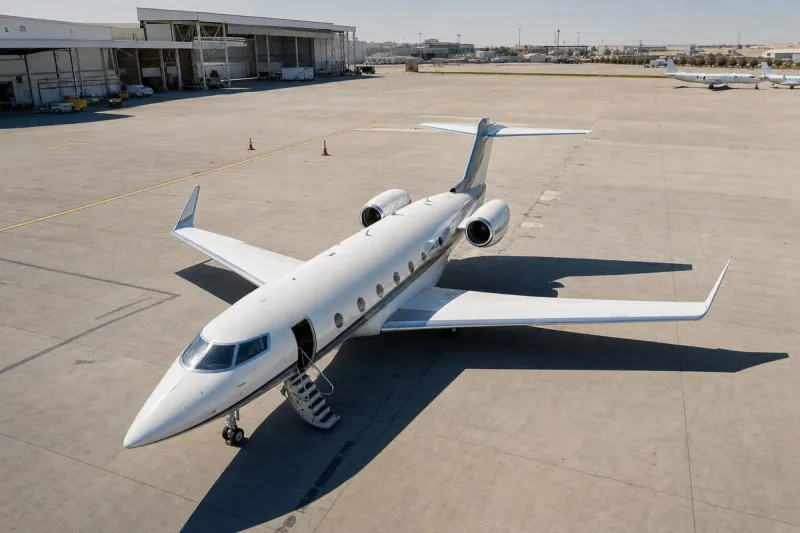
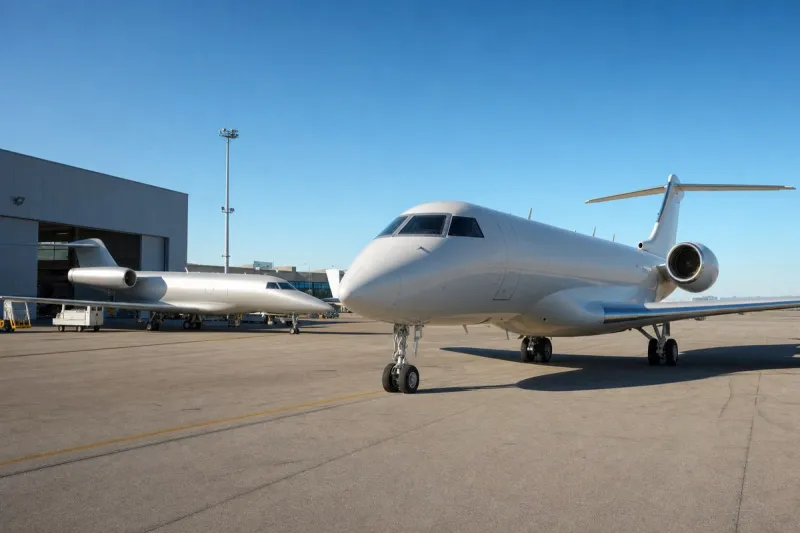
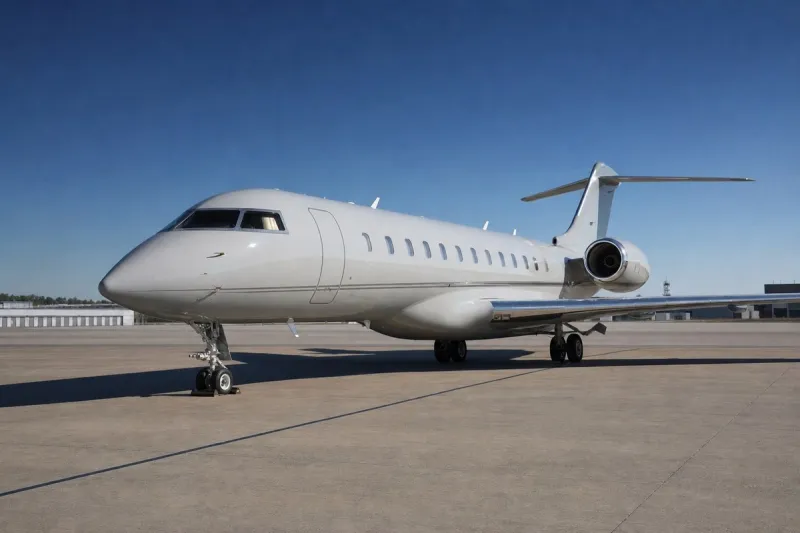
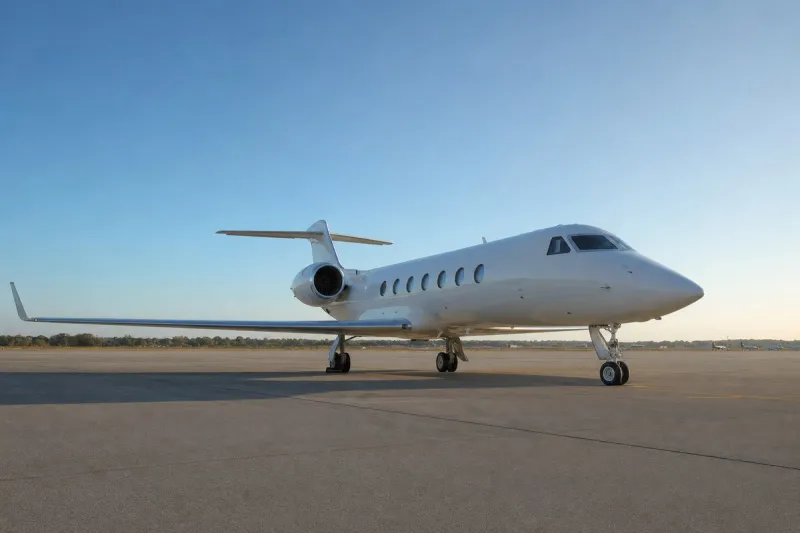
Airport official Morgan said the added length will let larger and heavier aircraft take off and land. It gives planes more distance to reach takeoff speed and to stop if a takeoff is aborted. Morgan also said the extension will help larger aircraft operate in extreme temperatures: in summer, when temperatures can reach the 90s and above, thinner air requires more speed to generate lift, and in winter it will help such aircraft stop in wintry conditions.
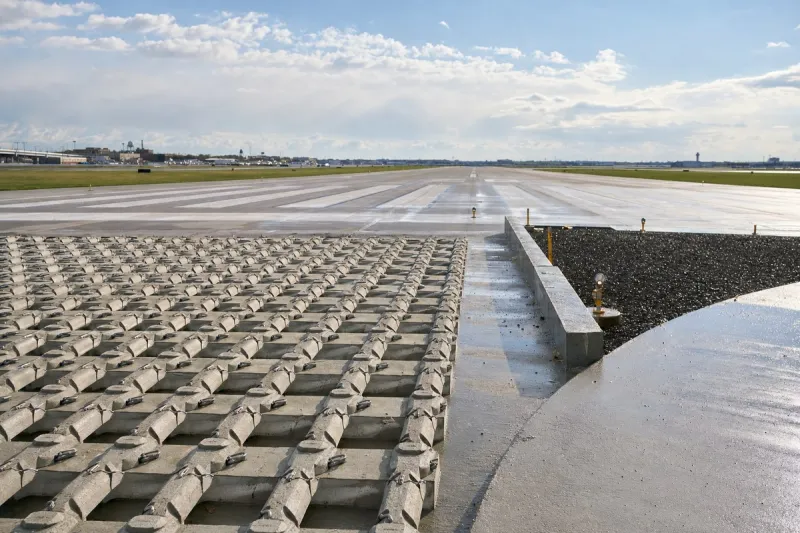
The extension is part of an overall runway rehabilitation project costing $8.2 million. The FAA will provide $2.7 million for rehabilitating the existing runway, but Hermiston will not receive that money until 2030. Morgan said pairing the extension with the rehabilitation reduces runway closure time and saves money by using the same contractor for both.
The remaining $5.5 million is to be covered by local and state funds, with the state's share likely not exceeding $500,000. Because 57% of airport users live outside Hermiston city limits, the city will seek regional funding partners.
Why passenger service is not part of the plan
Morgan said no one should expect passenger service at the airport despite the longer runway.
The Eastern Oregon Regional Airport in Pendleton has passenger service in part because it receives a federal Essential Air Service (EAS) subsidy. Hermiston is not eligible, partly because of its distance from Portland International Airport and mainly because it did not have scheduled commercial airline service when the program was created in 1978. Federal law limits EAS eligibility to communities already listed as commercial service points before airline deregulation in 1978.
Industry impact & what to watch
The Hermiston plan shows how capacity at small general-aviation airports is usually added: not as a standalone expansion, but attached to a rehabilitation that federal money makes possible. Because the FAA's $2.7 million does not arrive until 2030, the schedule for the longer runway is set by that funding date and by how quickly the local and state shares can be assembled, not by the need for larger-aircraft capability alone.
For operators of heavier aircraft, the benefit described is a margin issue: more runway for acceleration and stopping matters most in hot summer air and in winter conditions. A field that gains that margin can accommodate larger aircraft, but nothing in the plan changes the type of traffic the airport serves, since commercial passenger service is ruled out by EAS eligibility rules tied to 1978.
The next milestone is the funding picture: which regional partners the city recruits to cover the $5.5 million local and state share, and the 2030 arrival of the FAA money.